
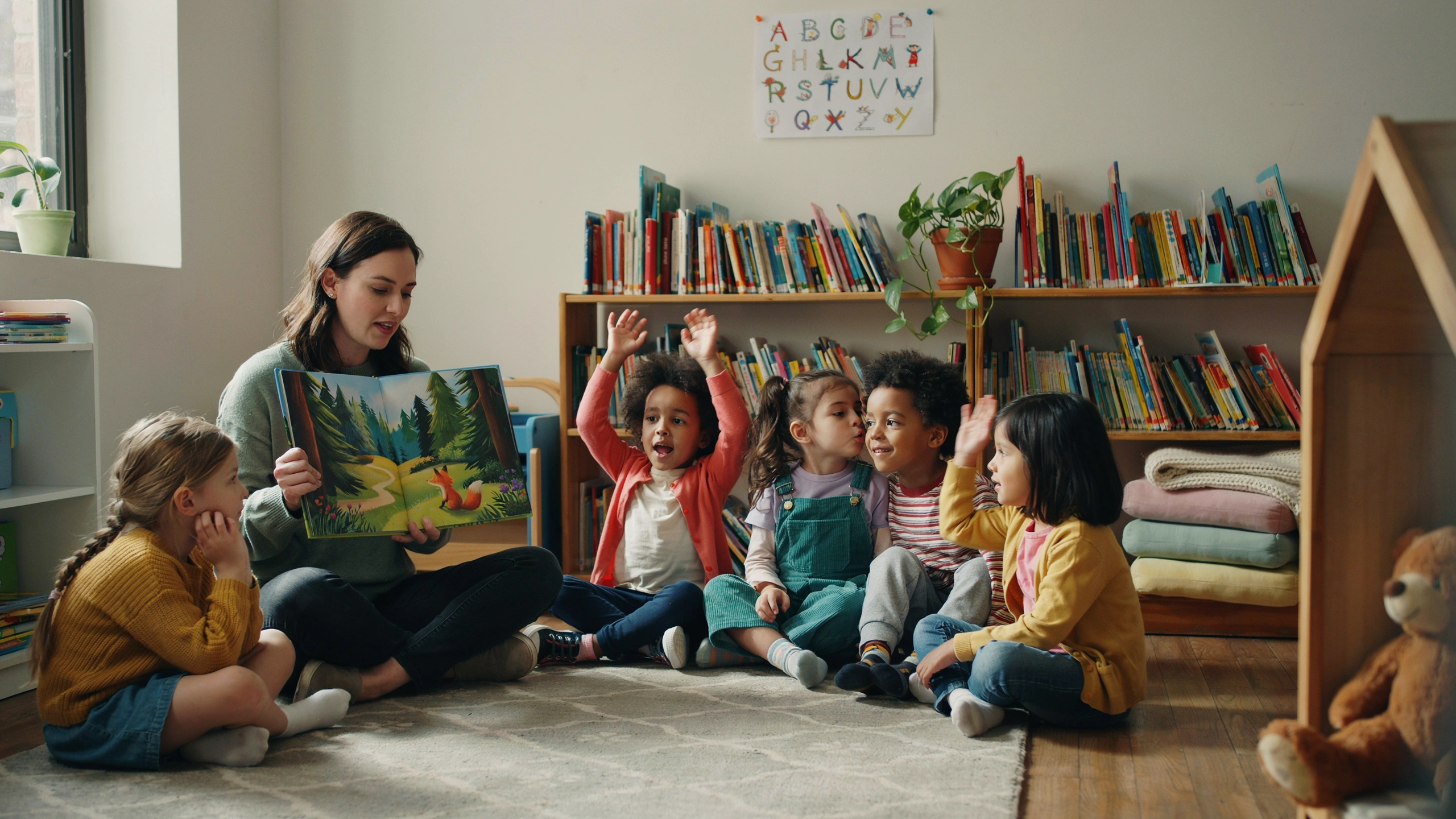
Stories have always been one of the most effective ways to teach children. From fairy tales and bedtime stories to classroom read-aloud sessions, storytelling helps young learners build language, imagination, and emotional understanding. However, stories also provide an excellent opportunity to strengthen listening skills and memory.
Story recall games encourage children to listen carefully, remember important details, and retell information in their own words. These activities improve comprehension, attention, vocabulary, and critical thinking while making reading a fun and interactive experience.
In this article, you’ll discover creative story recall games that help children develop stronger listening and memory skills.
Why Story Recall Is Important
Story recall is the ability to remember and retell the events, characters, and details of a story after hearing or reading it. This skill supports many aspects of learning, including:
- Reading comprehension
- Listening skills
- Vocabulary growth
- Working memory
- Sequencing
- Communication
- Critical thinking
- Creative expression
Children who regularly practice recalling stories often become more confident readers and better communicators.
Benefits of Story Recall Games
Story-based activities help children:
- Pay closer attention while listening.
- Remember important information.
- Organize events in the correct order.
- Describe characters and settings.
- Answer questions with confidence.
- Express ideas using complete sentences.
These abilities support both academic success and everyday conversations.
1. Who Was the Main Character?
After reading a short story, ask questions like:
- Who was the main character?
- What did they do?
- How did they feel?
Children learn to focus on the most important people in the story.
2. Beginning, Middle, and End
Encourage children to divide the story into three simple parts:
- What happened at the beginning?
- What happened in the middle?
- What happened at the end?
This activity strengthens sequencing and comprehension.
3. Picture Story Recall
Show children several illustrations from the story.
Mix them up and ask children to place the pictures in the correct order.
Visual support helps younger learners remember story events.
4. Finish the Story
Pause before the ending and ask children to predict what might happen next.
After reading the ending, compare it with their predictions.
This encourages active listening and critical thinking.
5. Character Memory Game
Write or draw the names and pictures of story characters.
Ask children questions such as:
- Who helped the main character?
- Who solved the problem?
- Which character was the funniest?
This activity develops both memory and comprehension.
6. Story Treasure Hunt
Hide pictures or objects related to the story around the room.
Children search for each item and explain how it connects to the story.
This combines movement with memory practice.
7. Story Sequence Cards
Prepare picture cards showing important events.
Children arrange them in chronological order after listening to the story.
This reinforces sequencing and recall.
8. Act Out the Story
Invite children to pretend they are the characters.
They recreate important scenes using simple props or costumes.
Role-playing strengthens memory while encouraging creativity and communication.
9. Story Question Ball
Write simple questions about the story on a soft ball or in a question jar.
Examples include:
- Where did the story happen?
- What problem did the characters face?
- How was the problem solved?
- What was your favorite part?
Children answer whichever question they receive.
10. Retell the Story in Your Own Words
Encourage children to explain the story without looking at the book.
Remind them to include:
- Characters
- Setting
- Problem
- Solution
- Ending
Retelling strengthens both memory and speaking skills.
Choosing the Right Stories
For the best results, select stories that:
- Match the child’s age.
- Have clear characters.
- Include a simple beginning, middle, and end.
- Use interesting illustrations.
- Introduce new vocabulary.
- Encourage discussion.
Short stories are often ideal for younger children because they are easier to remember.
Tips for Parents and Teachers
Make story recall enjoyable by:
- Reading with expression.
- Asking open-ended questions.
- Giving children enough time to think.
- Encouraging every answer without criticism.
- Reading favorite stories multiple times.
- Allowing children to illustrate their retelling.
Repeated storytelling builds confidence and stronger memory.
Everyday Story Recall Opportunities
Story recall doesn’t have to end when the book closes.
Ask questions during daily routines such as:
- What happened in the cartoon you watched?
- Can you tell Grandma about today’s story?
- What happened first at school today?
- What was your favorite part of today’s adventure?
These conversations help children practice recalling information naturally.
Skills Developed Through Story Recall
Story recall activities strengthen many essential learning skills, including:
- Listening comprehension
- Working memory
- Vocabulary development
- Logical sequencing
- Communication
- Imagination
- Attention span
- Confidence
Together, these skills create a strong foundation for future reading and academic success.
Final Thoughts
Story recall games are a simple yet powerful way to improve children’s listening and memory skills. Whether children answer questions, arrange picture cards, act out scenes, or retell stories in their own words, they are strengthening important cognitive abilities while developing a love of books.
By making storytelling interactive and engaging, parents and teachers can transform every reading session into a meaningful learning experience. Just a few minutes of story recall each day can help children become more attentive listeners, confident speakers, and successful learners.