
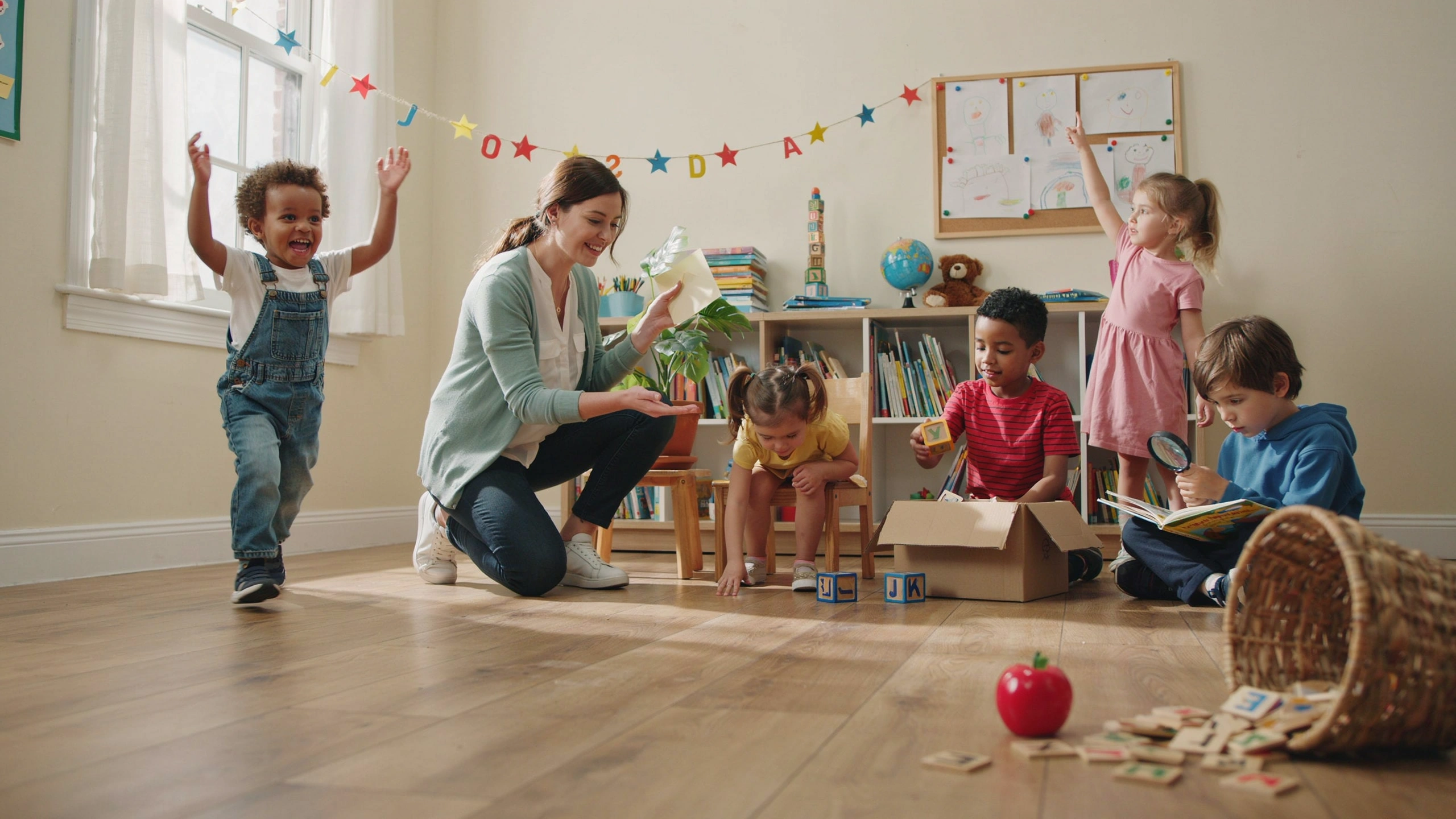
Treasure hunts are exciting adventures that encourage children to explore, observe, and solve clues while having fun. Beyond the excitement of searching for hidden objects, these activities provide excellent opportunities to strengthen memory, concentration, and critical thinking.
As children remember clues, follow directions, and search carefully for hidden treasures, they practice essential cognitive skills that support success in school and everyday life. Treasure hunts can be adapted for homes, classrooms, playgrounds, or outdoor nature walks, making them one of the most versatile educational activities for young learners.
In this article, you’ll discover creative treasure hunt ideas that help children improve memory and concentration through active play.
Why Treasure Hunts Are Great for Learning
Treasure hunts combine movement, observation, and problem-solving in one engaging activity. Instead of sitting at a table, children learn by exploring their environment and using their thinking skills.
Treasure hunt activities help develop:
- Working memory
- Visual memory
- Attention span
- Concentration
- Logical reasoning
- Observation skills
- Spatial awareness
- Teamwork
Because every clue leads to the next challenge, children remain focused from beginning to end.
Benefits of Memory-Based Treasure Hunts
Memory treasure hunts encourage children to:
- Remember directions
- Recall previous clues
- Observe small details
- Solve simple problems
- Stay focused despite distractions
- Build confidence through success
These activities naturally improve executive functioning while making learning enjoyable.
1. Picture Clue Hunt
Hide picture cards around the room or playground.
Each picture provides a clue leading to the next location.
Children must remember each picture as they continue searching.
This activity is perfect for preschoolers who cannot yet read.
2. Color Hunt
Choose one color for the hunt.
For example:
“Find five blue objects.”
After collecting them, ask children to remember every item they found.
This activity combines observation with visual memory.
3. Object Memory Hunt
Hide several everyday objects around the room.
Examples include:
- Spoon
- Toy car
- Pencil
- Ball
- Key
Once children find everything, ask them to recall the order in which they discovered the objects.
4. Follow the Clues
Write or draw simple clues that lead from one hiding place to another.
Example:
“The next clue is under something soft.”
Children must remember previous clues while searching for the next one.
This strengthens working memory and logical thinking.
5. Nature Treasure Hunt
Take children outdoors and ask them to find items such as:
- A green leaf
- A smooth rock
- A yellow flower
- A feather
- A pinecone
At the end of the hunt, ask them to remember everything they collected.
Nature hunts combine physical activity with observation.
6. Sound Treasure Hunt
Hide objects that produce different sounds.
Children listen carefully as you make each sound before searching for the matching object.
Examples include:
- Bell
- Keys
- Toy drum
- Wooden blocks
This activity strengthens auditory memory.
7. Shape Hunt
Challenge children to find objects shaped like:
- Circle
- Square
- Triangle
- Rectangle
- Oval
Afterward, ask them to list every shape they found.
This reinforces geometry while developing observation skills.
8. Sequence Treasure Hunt
Hide clues in a specific order.
Children must remember each location before moving to the next.
At the end of the game, ask them to retell the entire sequence.
This develops sequencing and recall abilities.
9. Team Treasure Hunt
Divide children into small groups.
Each team receives a different set of clues.
Working together encourages communication, cooperation, and shared problem-solving while strengthening memory through discussion.
10. Mystery Treasure Box
Hide several mystery objects inside a decorated box.
Children search for clues that describe each object before opening the box.
After seeing the items, challenge them to remember everything inside.
This activity combines curiosity with memory practice.
Ways to Increase the Challenge
As children’s skills improve, make treasure hunts more exciting by:
- Adding more clues.
- Using longer clue sequences.
- Including simple riddles.
- Setting a time limit.
- Hiding objects in more difficult locations.
- Asking children to solve clues without adult assistance.
Gradually increasing the difficulty keeps children engaged while strengthening their cognitive skills.
Tips for Parents and Teachers
To make treasure hunts successful:
- Choose age-appropriate clues.
- Keep the hunt safe and well-organized.
- Encourage teamwork instead of competition.
- Celebrate effort as much as success.
- Allow children to design their own treasure hunts.
- Rotate themes throughout the year.
Children enjoy becoming both treasure hunters and treasure creators.
Skills Developed Through Treasure Hunts
These activities strengthen many important developmental skills, including:
- Memory recall
- Concentration
- Observation
- Critical thinking
- Spatial awareness
- Listening skills
- Language development
- Confidence
Treasure hunts also encourage active learning, making educational experiences more memorable.
Final Thoughts
Treasure hunt activities are an exciting way to combine movement, exploration, and brain development. As children follow clues, search for hidden objects, and remember important details, they naturally strengthen their memory and concentration while having fun.
Whether indoors, outdoors, at school, or at home, treasure hunts can be adapted to suit any age or learning level. With a little creativity, these adventures become powerful educational experiences that encourage curiosity, teamwork, and a lifelong love of learning.