
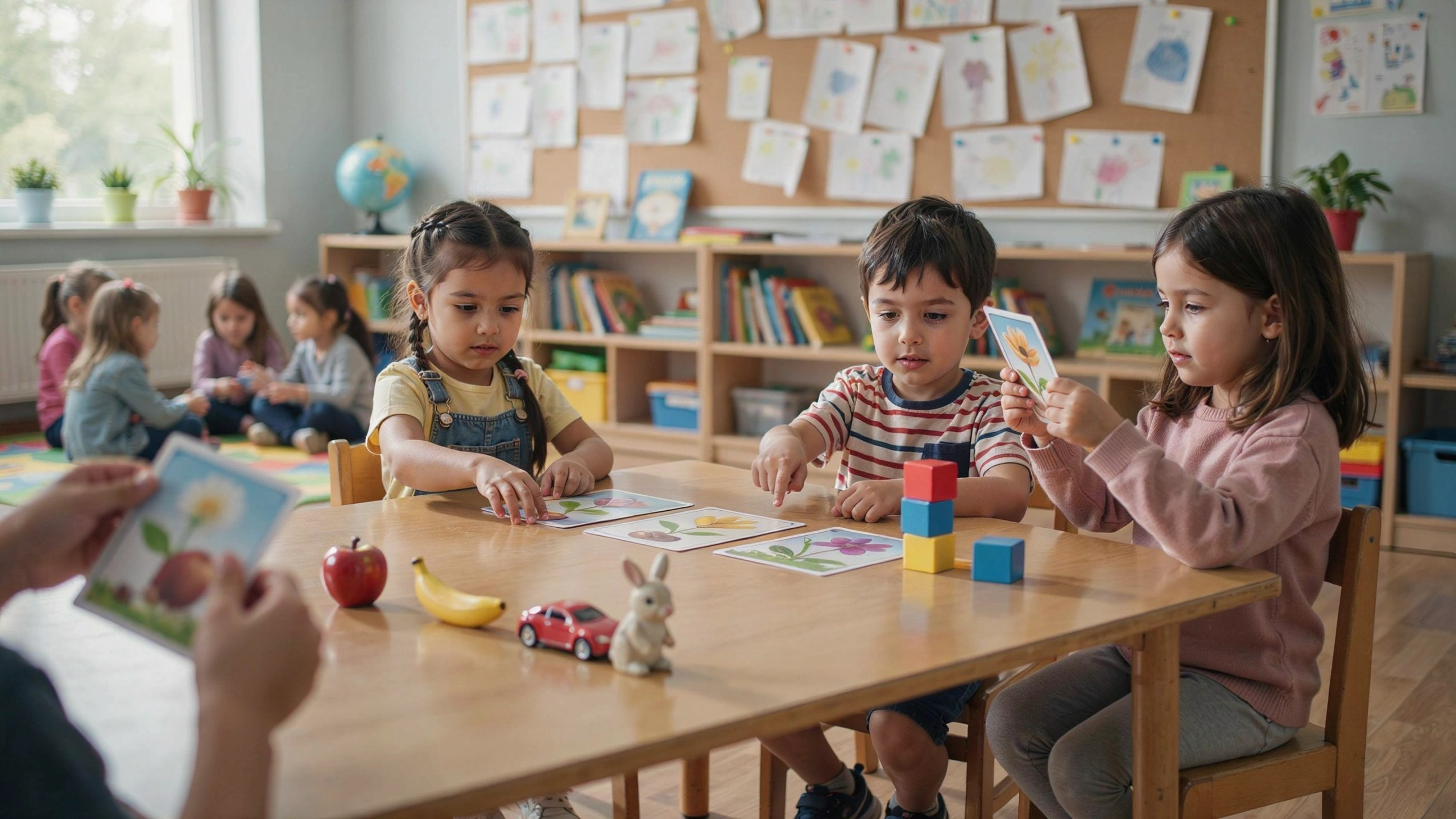
Sequence recall is an essential cognitive skill that helps children remember the correct order of information, events, and actions. From following daily routines to understanding stories and solving math problems, children use sequencing skills throughout their learning journey.
The good news is that sequence recall can be developed through simple, enjoyable activities that feel like play. By practicing the order of objects, sounds, movements, and events, young learners strengthen their memory, attention, and logical thinking.
In this article, you’ll discover fun sequence recall activities that help preschoolers and early elementary children build strong memory skills while having fun.
What Is Sequence Recall?
Sequence recall is the ability to remember and repeat information in the correct order. Children rely on this skill every day when they:
- Follow multi-step instructions
- Retell stories
- Learn the alphabet
- Count numbers
- Complete routines
- Solve puzzles
- Remember songs and rhymes
Developing strong sequencing skills supports both academic learning and everyday independence.
Why Sequence Recall Matters
Children with strong sequence recall often find it easier to:
- Learn to read
- Understand stories
- Solve mathematical problems
- Organize their thoughts
- Follow classroom instructions
- Complete tasks independently
- Improve working memory
- Build confidence
Because sequencing is involved in so many learning activities, regular practice can have lasting benefits.
1. Copy the Object Sequence
Arrange several objects in a row.
For example:
- Toy car
- Teddy bear
- Ball
- Book
- Block
Allow children 30 seconds to study the arrangement.
Mix up the objects and ask them to recreate the original order.
Skills Developed:
- Visual memory
- Sequential thinking
- Attention to detail
2. Clap and Repeat
Create a simple rhythm using claps.
Example:
Clap – Clap – Pause – Clap
Children repeat the sequence exactly.
Gradually make the rhythm longer and more challenging.
3. Movement Sequence Game
Perform a series of movements.
For example:
- Jump
- Spin
- Touch your nose
- Clap twice
Children copy the actions in the correct order.
This activity combines physical movement with memory practice.
4. Story Picture Sequencing
Show children several picture cards that tell a simple story.
Examples:
- Planting a seed
- Watering the plant
- Growing flowers
- Picking the flowers
Mix the cards and ask children to place them in the correct order.
This activity improves both comprehension and logical reasoning.
5. Color Pattern Recall
Create a color sequence using blocks or colored paper.
Example:
Red – Blue – Yellow – Green
Hide the pattern after a few seconds.
Children recreate the sequence from memory.
6. Number Sequence Challenge
Say a sequence of numbers aloud.
For example:
4 – 8 – 2
Children repeat the numbers in the same order.
Older children can try longer sequences as their memory improves.
7. Sound Sequence Game
Use everyday sounds such as:
- Ringing a bell
- Tapping a spoon
- Shaking keys
- Clapping hands
Play several sounds in order.
Children identify or recreate the sequence.
8. Daily Routine Ordering
Prepare picture cards showing common daily activities.
Examples include:
- Wake up
- Brush teeth
- Eat breakfast
- Get dressed
- Go to school
Children arrange the cards in the correct order.
This activity strengthens sequencing while reinforcing healthy routines.
9. Build the Block Pattern
Construct a simple tower or pattern with building blocks.
Allow children one minute to observe it.
Take the structure apart and ask them to rebuild it exactly as they saw it.
This develops spatial memory and planning skills.
10. Shopping List Sequence
Pretend you’re preparing to visit the grocery store.
Say a shopping list such as:
- Apples
- Milk
- Bread
- Cheese
Children repeat the list in the correct order.
Add one new item each round to increase the challenge.
Tips for Improving Sequence Recall
Children make the most progress when activities remain enjoyable and age-appropriate.
Helpful strategies include:
- Start with three-step sequences before increasing the difficulty.
- Use familiar objects and routines.
- Practice regularly in short sessions.
- Encourage children to say each step aloud.
- Celebrate effort and improvement.
- Mix visual, auditory, and movement-based activities.
Small daily practice sessions are more effective than long lessons.
Everyday Opportunities to Practice Sequencing
You can strengthen sequencing skills during ordinary daily routines by asking questions such as:
- What did we do before lunch?
- What comes after brushing your teeth?
- Can you tell me the steps for making a sandwich?
- What happened first in today’s story?
These conversations help children organize information naturally.
Benefits Beyond Memory
Sequence recall supports many important areas of child development, including:
- Reading comprehension
- Mathematical reasoning
- Problem-solving
- Language development
- Organization skills
- Independent learning
- Attention and concentration
- Critical thinking
Strong sequencing skills prepare children for more complex learning as they grow.
Final Thoughts
Sequence recall activities are simple, engaging, and highly effective for helping young children develop stronger memory and thinking skills. Whether children are repeating movements, arranging pictures, remembering sound patterns, or organizing daily routines, they are strengthening the cognitive abilities they use every day.
By incorporating these activities into playtime and daily life, parents and teachers can help children build confidence, improve concentration, and develop the sequencing skills that support lifelong learning and academic success.