
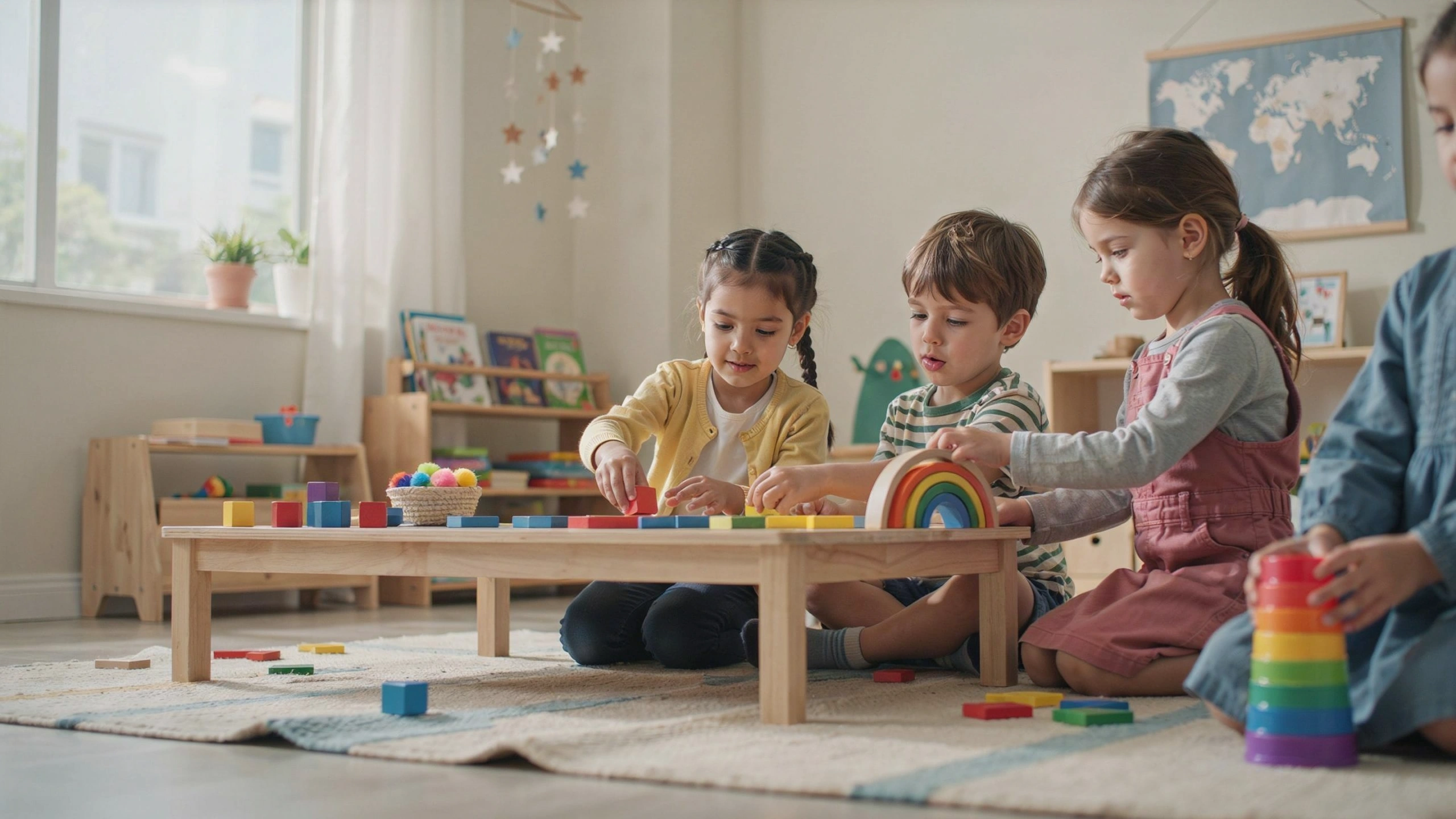
Colors and patterns are among the first concepts preschool children learn to recognize. As they sort colorful objects, identify repeating sequences, and recreate simple designs, they are also developing important cognitive skills such as memory, attention, observation, and logical thinking.
Color and pattern memory games transform these early learning experiences into exciting challenges that encourage children to observe carefully, remember visual information, and solve simple problems. These playful activities lay a strong foundation for future success in reading, mathematics, science, and creative thinking.
In this article, you’ll discover engaging color and pattern memory games that help preschool children strengthen their visual memory while having fun.
Why Color and Pattern Activities Matter
Recognizing colors and patterns is more than an early academic skill. These activities help children organize information, notice relationships, and make predictions based on what they observe.
Regular practice supports the development of:
- Visual memory
- Attention to detail
- Pattern recognition
- Logical reasoning
- Concentration
- Problem-solving
- Fine motor skills
- Creativity
These skills prepare children for more advanced learning in school.
1. Copy the Color Pattern
Arrange colored blocks in a simple sequence.
For example:
- Red
- Blue
- Yellow
- Green
Allow children to study the pattern for 20–30 seconds before covering it.
Ask them to recreate the sequence from memory.
Skills Developed:
- Visual recall
- Pattern recognition
- Concentration
2. What’s the Missing Color?
Place several colored objects on a table.
Examples include:
- Red apple
- Blue block
- Yellow cup
- Green leaf
- Purple ball
Ask children to close their eyes while you remove one object.
When they look again, they identify the missing color.
This activity strengthens observation and memory.
3. Continue the Pattern
Create an incomplete repeating sequence.
Examples:
- Red – Blue – Red – Blue – ?
- Circle – Square – Circle – Square – ?
Children predict and add the next item.
This encourages logical thinking and pattern recognition.
4. Rainbow Memory Challenge
Arrange objects in rainbow order:
- Red
- Orange
- Yellow
- Green
- Blue
- Purple
Hide the objects after a short time.
Children arrange the colors in the correct order from memory.
5. Bead Pattern Activity
Use colorful beads to create simple designs.
Children observe the design before recreating it on their own string.
Increase the complexity as they improve.
This activity also develops fine motor coordination.
6. Nature Color Hunt
Take a walk outdoors and challenge children to find objects that match specific colors.
Examples include:
- Green leaves
- Yellow flowers
- Brown sticks
- Gray rocks
After the walk, ask children to remember everything they found.
This combines movement, observation, and memory practice.
7. Shape and Color Matching
Prepare cards featuring different shapes in various colors.
Examples:
- Red circle
- Blue square
- Green triangle
- Yellow star
Show the cards briefly before turning them over.
Children recreate the correct combinations from memory.
8. Build the Pattern
Use LEGO®, wooden blocks, or stacking cups to build a colorful pattern.
Children study the design before rebuilding it without looking.
This activity strengthens visual-spatial memory and planning.
9. Color Sorting Memory Game
Place mixed colorful objects into a basket.
Allow children to observe them before covering the basket.
Ask questions such as:
- How many blue objects were there?
- Which color appeared most often?
- Was there a purple object?
This game develops careful observation and recall.
10. Pattern Walk
Create a path using colored paper or floor markers.
For example:
Red → Blue → Green → Yellow
Children walk the path once.
Then remove the markers and ask them to recreate the sequence using memory.
This combines movement with visual learning.
Tips for Making Pattern Games More Effective
Children learn best when activities are playful and gradually become more challenging.
Here are some helpful ideas:
- Start with two or three colors before adding more.
- Use large, easy-to-handle objects.
- Repeat favorite activities throughout the week.
- Encourage children to describe patterns aloud.
- Allow children to create their own patterns for others to copy.
- Celebrate effort and creativity instead of perfect answers.
Consistent practice builds stronger memory over time.
Everyday Opportunities to Explore Colors and Patterns
Parents and teachers can reinforce these skills during daily routines by:
- Sorting laundry by color.
- Creating snack patterns with fruit.
- Decorating with colorful craft materials.
- Organizing toys into color groups.
- Looking for repeating patterns on clothing or wallpaper.
- Identifying patterns in nature, such as leaves or flower petals.
These simple activities make learning part of everyday life.
Benefits Beyond Early Learning
Color and pattern memory games support many aspects of child development, including:
- Early mathematics skills
- Reading readiness
- Scientific observation
- Creative thinking
- Visual discrimination
- Organization
- Confidence
- Independent learning
Children who develop strong pattern recognition often find it easier to understand sequences, relationships, and problem-solving tasks later in school.
Final Thoughts
Color and pattern memory games are enjoyable, hands-on activities that help preschool children strengthen essential cognitive skills. Through playful challenges like copying patterns, sorting colors, and remembering visual sequences, children improve their memory, attention, and logical thinking while building confidence.
By incorporating these activities into everyday play and learning, parents and teachers can create a rich educational environment that inspires curiosity and supports lifelong learning. Even a few minutes of color and pattern exploration each day can make a meaningful difference in a child’s development.