
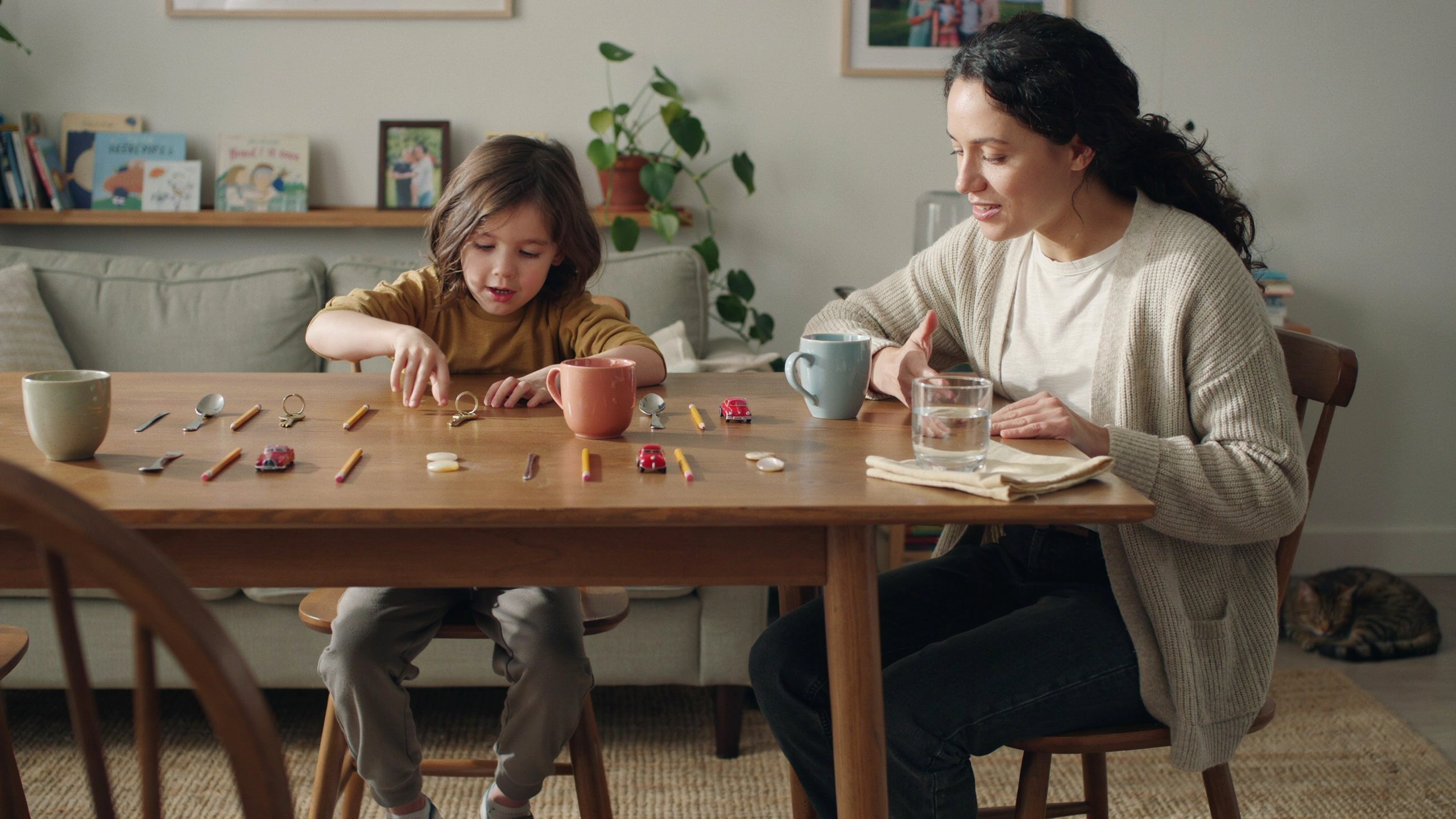
Helping children develop strong memory skills doesn’t require expensive educational toys or complicated activities. In fact, some of the best memory exercises can be created using everyday household items that are already available at home. From kitchen utensils to favorite toys, ordinary objects can become powerful learning tools that improve recall, concentration, and observation.
These simple memory challenges encourage children to pay close attention, remember details, and solve problems while having fun. They are ideal for preschoolers, kindergarten learners, homeschooling families, and classroom activities.
Why Everyday Objects Make Great Learning Tools
Children learn best when they interact with familiar items. Using household objects makes memory games feel natural and engaging while helping children connect learning to their daily lives.
Memory activities with everyday items help develop:
- Visual memory
- Working memory
- Attention to detail
- Observation skills
- Logical thinking
- Vocabulary development
- Confidence and independence
Best of all, these activities are inexpensive, easy to prepare, and suitable for children of different ages.
1. The Memory Tray Game
Gather 8–12 small household objects, such as:
- A spoon
- A toy car
- A key
- A pencil
- A coin
- A button
- A rubber band
- A small ball
Place the objects on a tray and allow children one minute to study them. Cover the tray with a towel and ask them to name as many items as they can remember.
Skills Developed:
- Visual memory
- Observation
- Vocabulary
2. What’s Missing?
Arrange several objects on a table.
Ask the child to close their eyes while you secretly remove one item.
When they look again, they must identify which object has disappeared.
As children improve, remove two or three objects instead of one.
3. Cup Hiding Game
Hide a small object under one of three cups.
Move the cups around slowly while the child watches.
Ask them to remember which cup hides the object.
Increase the speed or add more cups for a greater challenge.
4. Kitchen Item Recall
Place several kitchen utensils on the counter.
For example:
- Fork
- Spoon
- Whisk
- Measuring cup
- Spatula
Allow children to study the items before covering them. Ask them to list or draw everything they remember.
This activity also introduces useful household vocabulary.
5. Toy Line-Up Challenge
Arrange several favorite toys in a row.
Children study their order for 30 seconds.
Mix up the toys and ask them to place each one back in its original position.
This strengthens sequential memory.
6. Color Collection Memory
Gather objects of different colors from around the house.
Show the collection briefly, then hide it.
Ask children questions such as:
- Which object was blue?
- How many red items were there?
- What color was the largest object?
This activity combines color recognition with memory practice.
7. Sound Guessing Game
Use everyday objects to create sounds without letting children see the items.
Examples include:
- Shaking keys
- Tapping a glass
- Closing a book
- Pouring rice into a bowl
- Crumpling paper
Children identify the object based only on its sound, strengthening auditory memory.
8. Grocery List Challenge
Pretend you’re preparing for a shopping trip.
Say a short list such as:
“Milk, bananas, bread.”
The child repeats the list.
Each round, add another item.
Older children can repeat the list in the correct order for an extra challenge.
9. Follow the Household Directions
Give children a sequence of simple instructions.
For example:
- Pick up the spoon.
- Place it on the table.
- Touch the chair.
- Clap your hands twice.
Following multiple directions improves working memory and listening skills.
10. Hidden Object Hunt
Hide several household objects around a room.
After children find them, ask:
- Where did you find the key?
- Which object was under the pillow?
- What did you discover behind the chair?
Remembering locations strengthens spatial memory.
Making Memory Challenges More Engaging
Keep activities exciting by changing the objects regularly and introducing new themes.
You can create challenges using:
- Clothing items
- Books
- Fruits and vegetables
- Building blocks
- Art supplies
- Nature treasures collected outdoors
- Holiday decorations
Rotating materials keeps children curious and motivated.
Tips for Success
To get the most from these memory games:
- Keep sessions between 10 and 15 minutes.
- Start with fewer objects for younger children.
- Increase the difficulty gradually.
- Encourage children even when they make mistakes.
- Ask open-ended questions instead of giving hints.
- Repeat favorite activities throughout the week.
Consistency is more important than long practice sessions.
Benefits Beyond Memory
These simple household activities also support many other areas of development, including:
- Language and communication
- Problem-solving
- Attention and concentration
- Fine motor skills
- Observation
- Decision-making
- Confidence
- Independent thinking
Because children are actively involved, learning feels like a game instead of a lesson.
Final Thoughts
You don’t need expensive educational materials to help children build strong memory skills. Everyday household items provide endless opportunities for fun, meaningful learning experiences that strengthen recall, concentration, and observation.
Whether you’re using kitchen utensils, toys, books, or simple objects found around the house, these easy memory challenges encourage children to think carefully, stay focused, and enjoy learning. With just a few minutes of practice each day, you’ll be helping your child develop essential cognitive skills that will support success in school and beyond.