
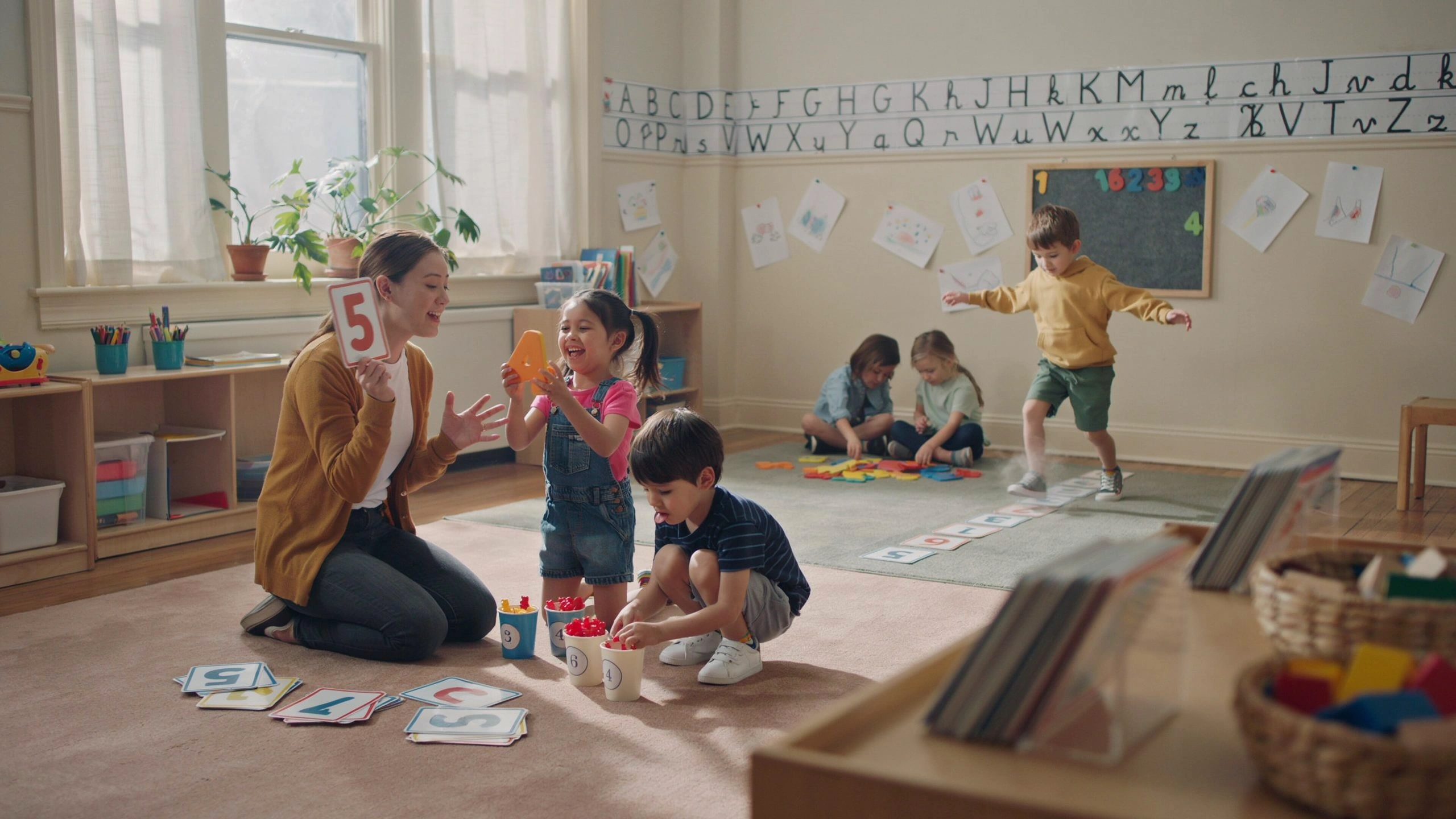
Recognizing numbers is one of the first building blocks of early math education. Before children can count confidently, solve simple problems, or understand addition and subtraction, they need to identify numbers quickly and accurately. The good news is that number recognition doesn’t have to be taught through worksheets alone. Interactive games and hands-on activities make learning numbers exciting, memorable, and fun.
Whether you’re a parent, preschool teacher, or homeschool educator, these engaging number recognition activities will help children build confidence while developing essential math skills.
Why Number Recognition Is Important
Number recognition is much more than memorizing symbols. It helps children understand that each number represents a specific quantity and prepares them for more advanced mathematical concepts.
Number recognition activities help children:
- Identify numbers from 0 to 20 and beyond.
- Develop one-to-one correspondence.
- Improve visual memory.
- Strengthen concentration.
- Build problem-solving skills.
- Increase confidence in early mathematics.
- Prepare for counting, addition, and subtraction.
Children who recognize numbers easily often find later math lessons much more enjoyable.
1. Number Card Matching
Create two sets of number cards.
Spread them face up and invite children to find matching pairs.
You can also match:
- Number to number.
- Number to dots.
- Number to a group of objects.
This simple game reinforces visual recognition while improving memory.
2. Number Hunt Around the House
Write numbers on sticky notes and hide them throughout the room.
Ask children to search for specific numbers.
For example:
- “Can you find the number 5?”
- “Where is number 12?”
- “Who can find number 9 first?”
Once a number is found, encourage children to count that many objects nearby.
3. Hop to the Number
Place large number cards on the floor.
Call out a number and ask children to hop onto the correct card.
To make the activity more challenging:
- Call out quantities instead of numbers.
- Show groups of objects.
- Roll a die and hop to the matching number.
Movement helps children stay focused while reinforcing learning.
4. Playdough Number Building
Provide number cards and soft playdough.
Children roll the dough into long ropes and shape each number.
As they finish each number, ask them to count out matching objects.
This activity combines number recognition with fine motor development.
5. Number Bingo
Create Bingo cards featuring numbers instead of letters.
The caller announces numbers randomly while children cover the matching spaces.
You can vary the game by calling:
- Number names.
- Quantities.
- Simple addition answers.
Number Bingo encourages repeated practice in a playful setting.
6. Number Puzzle Challenge
Cut large numbers into two or three puzzle pieces.
Mix all the pieces together and invite children to rebuild each number.
Older learners can match completed numbers with the correct quantity of objects.
Puzzle-solving strengthens logical thinking and visual perception.
7. Counting Stick Match
Write numbers on index cards.
Children count out the matching number of craft sticks, pencils, straws, or building blocks.
This activity reinforces the relationship between numbers and quantities.
8. Number Sorting Game
Prepare number cards in different colors, sizes, or fonts.
Children sort them by:
- Number value.
- Color.
- Odd and even numbers (for older learners).
- Smallest to largest.
Sorting develops observation skills while reinforcing number recognition.
9. Sidewalk Chalk Number Trail
Draw large numbers on a sidewalk or driveway using colorful chalk.
Children walk, hop, or jump from one number to another in sequence.
You can also ask them to:
- Jump to even numbers.
- Skip count by twos.
- Count backward.
Outdoor learning combines physical activity with mathematics.
10. Number Art Collage
Choose one number each day or week.
Children decorate a large cutout of that number using:
- Buttons
- Tissue paper
- Stickers
- Cotton balls
- Leaves
- Colored paper
After decorating, ask children to collect and count the same number of small objects.
Art projects make number learning both creative and memorable.
Tips for Teaching Number Recognition
Introduce only a few numbers at a time, especially for beginners.
Review familiar numbers often before introducing new ones.
Use everyday opportunities to point out numbers on:
- Clocks
- Calendars
- Books
- House numbers
- Food packaging
- Road signs
Keep activities short, fun, and interactive.
Celebrate effort and curiosity rather than perfection.
Common Mistakes to Avoid
Avoid expecting children to memorize all numbers too quickly.
Focus on understanding before speed.
Do not rely only on worksheets.
Hands-on activities provide stronger learning experiences.
Avoid correcting every mistake immediately.
Instead, encourage children to try again and think independently.
Most importantly, remember that every child develops number recognition at their own pace.
Conclusion
Number recognition activities help children build the strong mathematical foundation they need for future success. Whether they are playing Bingo, solving puzzles, hopping along number trails, creating colorful collages, or searching for hidden numbers, each activity strengthens confidence, memory, and early math skills.
By making number learning playful and engaging, parents and educators inspire children to see mathematics as an enjoyable part of everyday life. With consistent practice and creative experiences, young learners quickly develop the confidence they need to explore the exciting world of numbers.