
Introduction
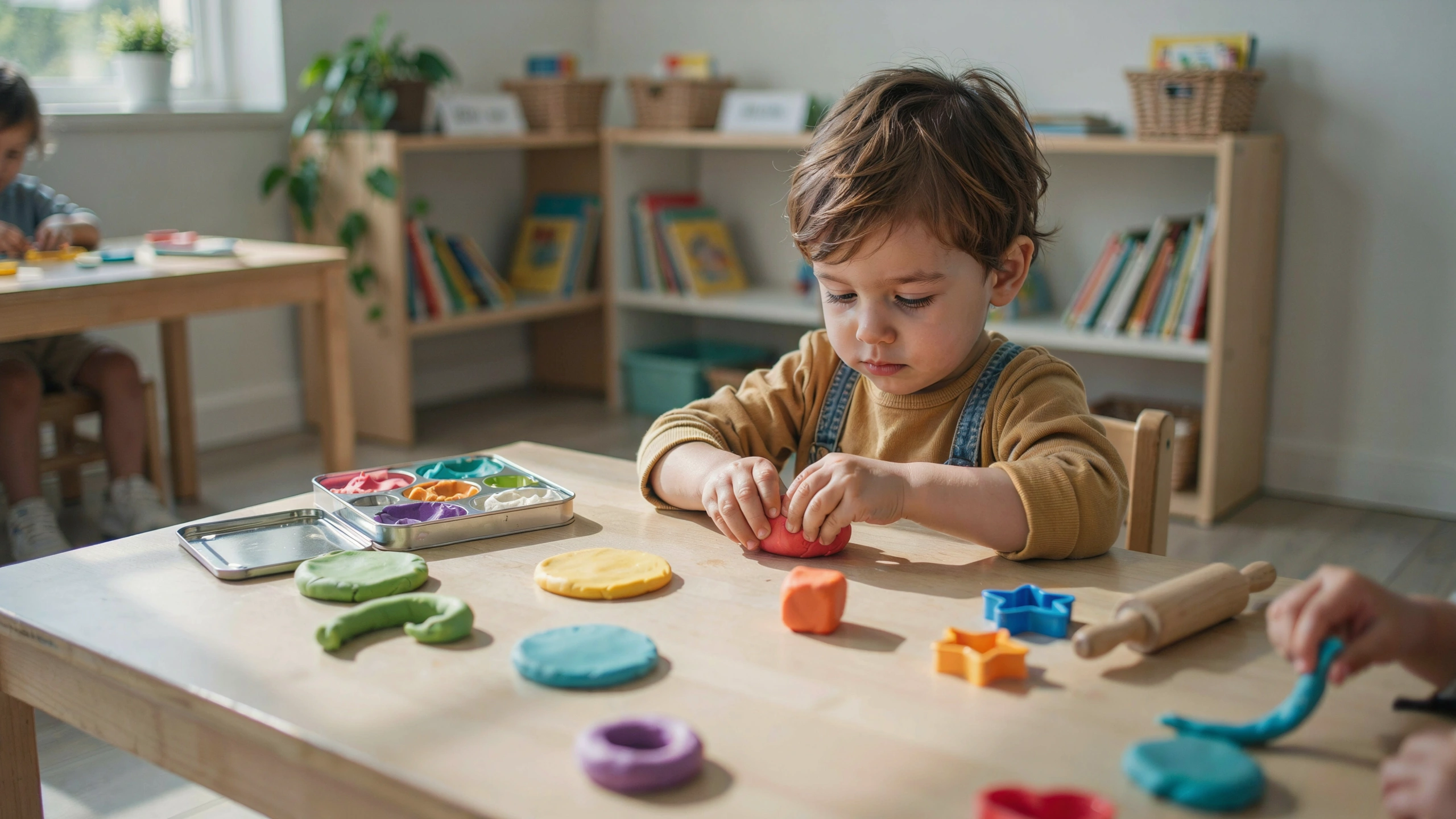
Strong hands and flexible fingers are essential for children learning to write. Before they can comfortably hold a pencil, draw shapes, or form letters, they need opportunities to build fine motor strength through play. One of the best hands-on activities for developing these skills is the Play Dough Shape Rolling Game.
Play dough is soft, colorful, and fun to manipulate, making it an excellent tool for preschoolers and young learners. As children roll, squeeze, flatten, and shape the dough, they strengthen the small muscles in their hands and improve the coordination needed for future handwriting.
Whether used at home, in preschool, or during homeschooling, this simple activity turns playtime into a valuable learning experience.
Why Play Dough Is Great for Pre-Writing Skills
Playing with dough involves many of the same hand movements required for writing. Every squeeze, pinch, and roll helps children develop stronger muscles and better control over their fingers.
Regular play dough activities help children:
- Build hand and finger strength.
- Improve pencil grip.
- Increase finger flexibility.
- Develop hand-eye coordination.
- Practice controlled hand movements.
- Prepare for drawing and handwriting.
Because children enjoy playing with dough, they often practice these skills for longer periods without realizing they are learning.
Materials You’ll Need
This activity requires only a few simple supplies:
- Soft play dough in one or more colors
- Plastic rolling pin (optional)
- Child-safe plastic knife
- Cookie cutters or shape cutters
- Small tray or table mat
- Picture cards showing simple shapes (optional)
Homemade play dough works just as well as store-bought varieties.
How to Play
- Give your child a ball of play dough.
- Demonstrate how to roll it into long “snakes.”
- Encourage them to create different shapes such as circles, squares, triangles, and hearts.
- Roll small balls, flatten them, or twist them together.
- Invite your child to make pictures using several shapes, such as a flower, a house, or a smiling face.
Allow children to explore freely while offering gentle guidance when needed.
Skills Children Develop
The Play Dough Shape Rolling Game strengthens several important pre-writing skills.
Hand Strength
Squeezing and kneading dough builds the muscles needed to hold and control a pencil.
Finger Dexterity
Rolling small pieces and forming shapes encourages independent finger movements that support handwriting.
Bilateral Coordination
Children use both hands together while rolling and shaping the dough, improving coordination between both sides of the body.
Hand-Eye Coordination
Looking at a shape while creating it helps children connect visual information with precise hand movements.
Creativity and Imagination
Making animals, flowers, letters, or pretend food encourages creative thinking while strengthening fine motor skills.
Fun Shape Challenges
Keep the activity exciting by introducing new games and challenges.
Shape Copy Game
Show your child a simple shape and ask them to recreate it using play dough.
Build the Alphabet
Roll long dough “snakes” and bend them into uppercase and lowercase letters.
Number Making Activity
Create numbers from 0 to 10 and count small dough balls to match each number.
Animal Builder
Challenge children to make simple animals such as caterpillars, turtles, fish, or butterflies.
Pattern Challenge
Create a sequence of shapes, such as circle, square, circle, square, and ask your child to continue the pattern.
Tips for Parents and Teachers
Make the most of this activity by following a few simple suggestions:
- Choose soft, easy-to-roll play dough.
- Encourage children to use both hands.
- Demonstrate new techniques before asking children to try them.
- Praise creativity and effort rather than perfect shapes.
- Keep tools clean and safe for young learners.
- Rotate colors and challenges to maintain interest.
Even 15 minutes of play dough activities several times a week can significantly improve fine motor development.
Extending the Learning Experience
Once children become comfortable with basic shapes, you can add educational elements.
Try asking them to:
- Form the letters in their name.
- Make shapes that begin with a specific letter.
- Create simple patterns.
- Build objects from storybooks.
- Roll dough into lines of different lengths.
- Copy simple designs from picture cards.
These extensions combine creativity with early literacy and math skills.
Benefits Beyond Handwriting
Although this activity prepares children for writing, it also supports many other areas of development, including:
- Problem-solving
- Concentration
- Spatial awareness
- Language development through conversation
- Confidence in independent learning
- Sensory exploration
Children learn best when they are actively engaged, and play dough offers a rich sensory experience that encourages exploration and discovery.
Conclusion
The Play Dough Shape Rolling Game is one of the most enjoyable ways to prepare children for handwriting. Through rolling, squeezing, pinching, and shaping, children naturally strengthen the muscles and coordination needed for pencil control.
With only a few simple materials, parents and teachers can provide meaningful learning experiences that build fine motor skills, creativity, and confidence. By making pre-writing practice playful and engaging, children develop a strong foundation that will support successful writing and many other everyday tasks.