
Introduction
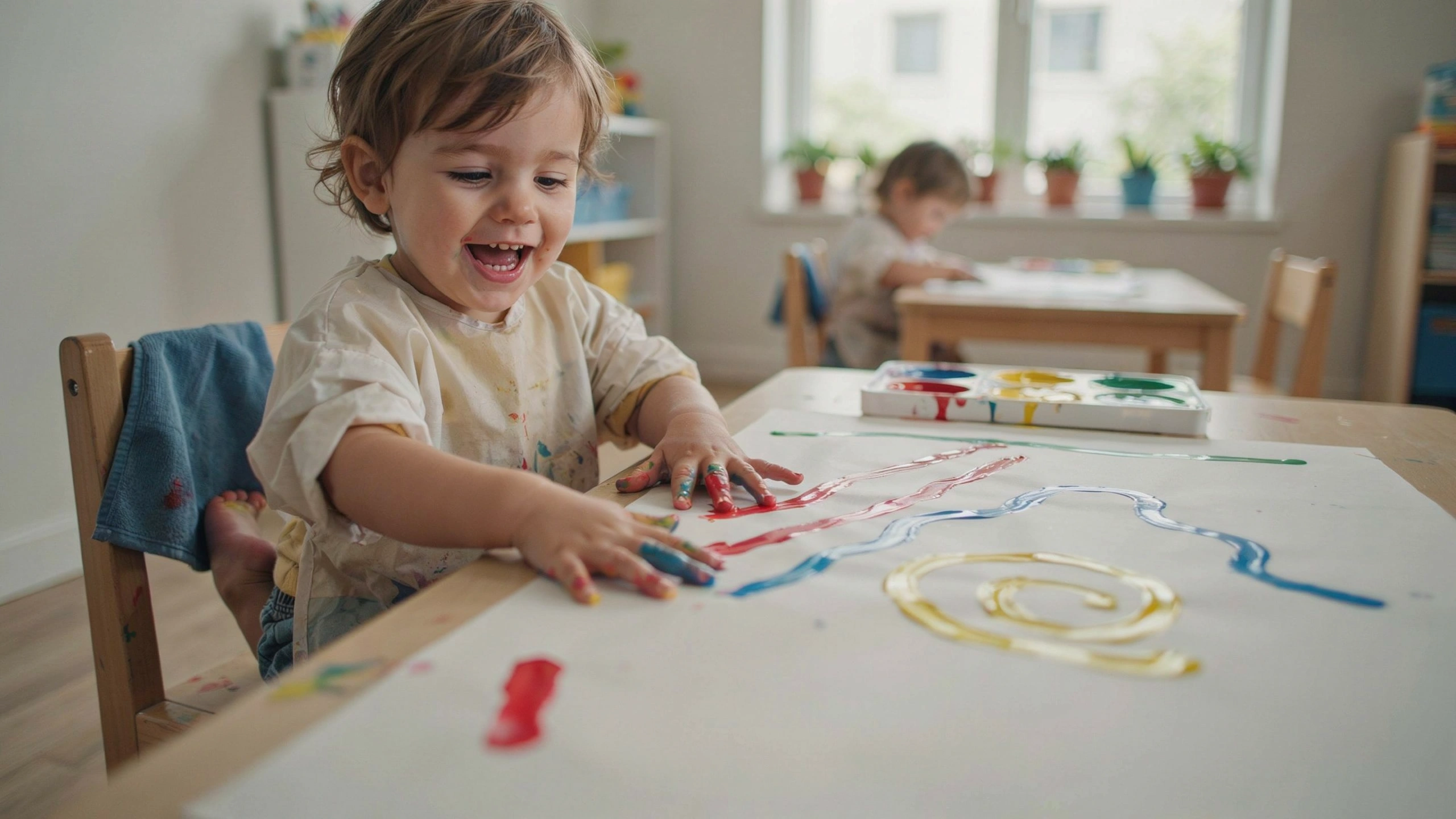
Before children begin writing letters and numbers, they need to practice making simple lines and patterns with controlled hand movements. One of the most enjoyable ways to develop these early writing skills is through Finger Painting Line Patterns.
Instead of using brushes or pencils, children use their fingertips to create straight lines, curves, zigzags, waves, circles, and other pre-writing patterns with colorful paint. This sensory-rich activity strengthens fine motor skills, improves hand-eye coordination, and helps children become familiar with the basic strokes used in handwriting.
Ideal for preschoolers, kindergarten students, homeschool learners, and early childhood classrooms, finger painting transforms art into an exciting learning experience.
Why Line Patterns Are Important Before Writing
Every letter of the alphabet is made from a combination of simple lines and curves. Before children can write letters correctly, they should become comfortable creating these basic strokes.
Practicing line patterns helps children:
- Develop fine motor control.
- Strengthen hand and finger muscles.
- Improve wrist flexibility.
- Build hand-eye coordination.
- Learn directional movements.
- Prepare for forming letters and numbers.
These foundational skills make handwriting easier and more natural.
Materials You’ll Need
Gather these simple supplies before starting:
- Washable finger paints
- Large sheets of paper
- Plastic tray or table cover
- Apron or old shirt
- Wet wipes or paper towels
- Printable line pattern cards (optional)
Using bright colors makes the activity more engaging and encourages creative exploration.
How to Play
- Cover your work area to protect surfaces.
- Place a small amount of washable paint on a tray.
- Show your child how to dip one finger into the paint.
- Demonstrate different line patterns on the paper.
- Encourage your child to copy each pattern slowly.
- Mix colors and create new designs after practicing the basic strokes.
Allow children to experiment freely while practicing controlled finger movements.
Skills Children Develop
Finger Painting Line Patterns strengthen several essential pre-writing skills.
Fine Motor Control
Moving a finger carefully across the paper helps children develop the control needed for future pencil movements.
Hand-Eye Coordination
Children learn to guide their fingers while watching the lines they create.
Wrist Mobility
Drawing long curves and circles encourages flexible wrist movements that support handwriting.
Directional Awareness
Children practice moving from left to right, top to bottom, and around curves, helping prepare them for writing on a page.
Creativity
Experimenting with colors and patterns allows children to express themselves while building important motor skills.
Fun Pattern Ideas
Introduce different patterns to keep the activity exciting.
Straight Lines
Practice vertical, horizontal, and diagonal strokes.
Zigzag Paths
Create zigzag patterns that strengthen directional control.
Wavy Lines
Draw ocean waves or flowing rivers with smooth finger movements.
Spiral Designs
Practice circular movements by creating spirals of different sizes.
Rainbow Tracks
Use multiple colors to create repeating line patterns across the page.
Tips for Parents and Teachers
Make the activity enjoyable and successful with these suggestions:
- Use non-toxic, washable finger paints.
- Demonstrate each pattern before children try it.
- Encourage slow, controlled movements.
- Praise effort rather than perfect lines.
- Keep sessions between 10 and 15 minutes.
- Allow children to wash their hands immediately after finishing.
A relaxed environment helps children enjoy the creative process.
Extending the Learning Experience
Once children master basic line patterns, you can introduce additional challenges.
Invite them to:
- Trace simple shapes such as circles and squares.
- Follow printed pattern cards.
- Create pictures using only line patterns.
- Practice writing the first letter of their name.
- Match patterns to objects, such as waves for water or zigzags for lightning.
- Decorate greeting cards with colorful designs.
These extensions combine creativity with early literacy and artistic expression.
Benefits Beyond Pre-Writing
Finger Painting Line Patterns support many additional areas of development, including:
- Sensory exploration
- Color recognition
- Imagination
- Problem-solving
- Emotional expression
- Concentration
- Self-confidence
Because children enjoy painting with their hands, they naturally spend more time practicing the movements that prepare them for writing.
Safety Tips
Keep the activity safe by following these guidelines:
- Use only non-toxic, washable paints.
- Protect clothing with aprons or old shirts.
- Supervise young children throughout the activity.
- Encourage children to keep paint away from their eyes and mouth.
- Clean the workspace thoroughly after painting.
A clean and organized environment makes the activity more enjoyable for everyone.
Conclusion
The Finger Painting Line Patterns activity is a colorful and engaging way to prepare children for handwriting. By creating lines, curves, waves, and spirals with their fingertips, children strengthen fine motor control, improve hand-eye coordination, and build confidence in making the movements required for writing.
With just a few simple art supplies, parents and teachers can transform painting into a meaningful pre-writing experience. Through regular practice, children develop the strength, coordination, and creativity needed for a successful start on their handwriting journey.