
Introduction
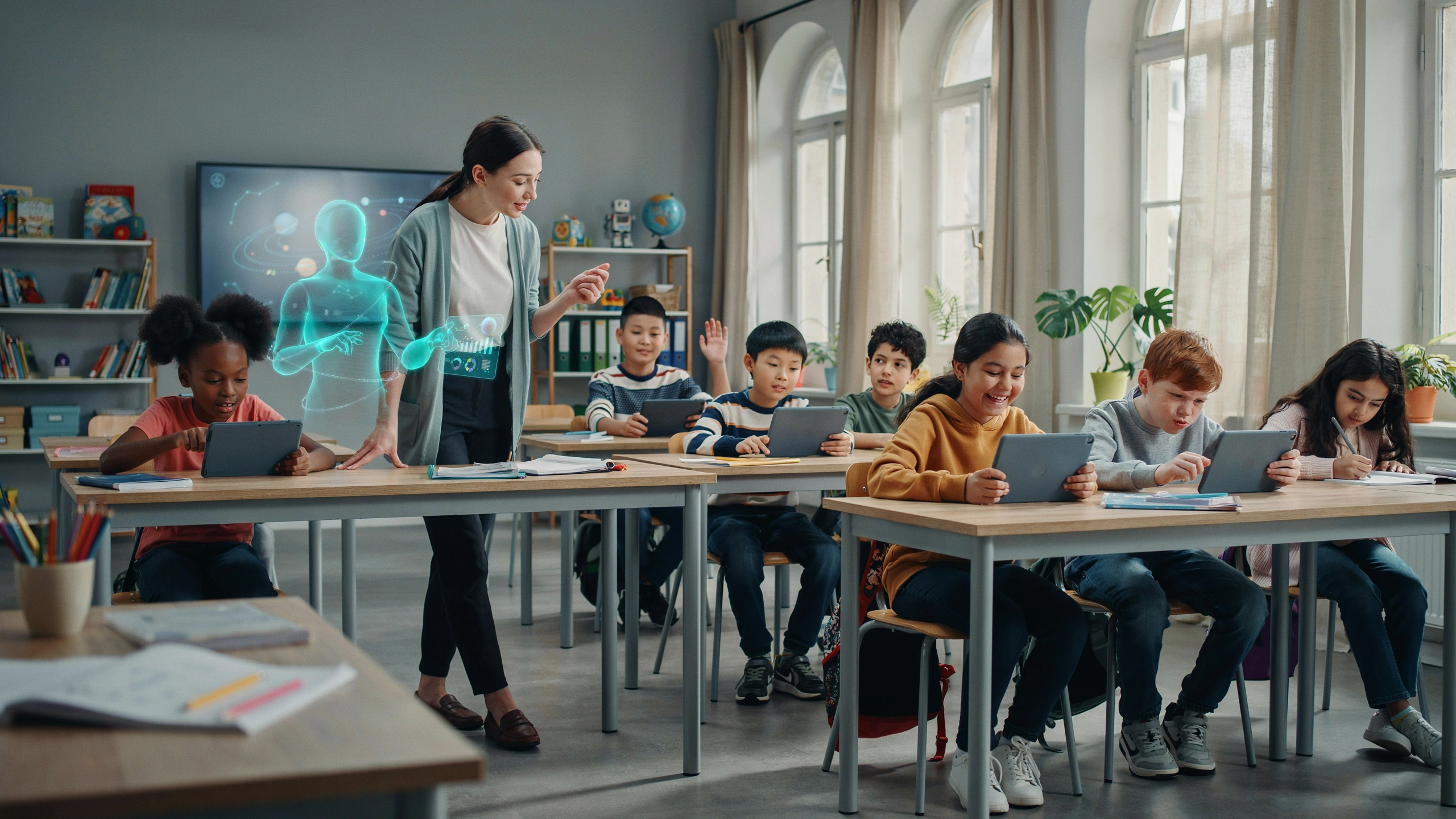
Artificial Intelligence (AI) is rapidly changing nearly every aspect of our lives, and education is no exception. Once considered a futuristic concept, AI is now being integrated into classrooms, online learning platforms, and educational tools around the world. From personalized tutoring systems to automated grading, AI is helping educators improve teaching while giving students more engaging and effective learning experiences.
Rather than replacing teachers, AI serves as a powerful assistant that supports both educators and learners. As schools continue to adopt AI-powered technologies, understanding their benefits and challenges becomes essential for building the classrooms of the future.
What Is Artificial Intelligence in Education?
Artificial Intelligence refers to computer systems that can perform tasks that normally require human intelligence. In education, AI can analyze student performance, recommend personalized learning activities, answer questions, provide instant feedback, and automate repetitive administrative tasks.
AI-powered educational platforms use data to understand how students learn and adjust lessons according to their strengths and weaknesses.
Personalized Learning for Every Student
One of AI’s greatest advantages is its ability to personalize education.
Every student learns differently. Some grasp concepts quickly, while others need additional practice or different explanations. AI can monitor each student’s progress and automatically adjust the difficulty level, recommend extra resources, and provide targeted exercises.
This individualized approach helps students:
- Learn at their own pace.
- Build confidence.
- Improve understanding of difficult concepts.
- Stay motivated through achievable goals.
Personalized learning ensures that no student is left behind while allowing advanced learners to continue progressing.
AI as a Teaching Assistant
Teachers spend many hours grading assignments, preparing lesson plans, and managing classroom administration. AI can automate many of these routine tasks, giving educators more time to focus on teaching and supporting students.
AI can assist teachers by:
- Automatically grading quizzes and multiple-choice exams.
- Tracking student progress.
- Identifying students who may need additional support.
- Suggesting instructional materials.
- Creating customized practice activities.
By reducing administrative workload, teachers can devote more attention to meaningful classroom interactions.
Intelligent Tutoring Systems
AI-powered tutoring systems provide students with instant assistance whenever they need it.
Unlike traditional tutoring, these systems are available 24 hours a day and can explain concepts, provide hints, generate practice questions, and offer immediate feedback.
Students benefit from:
- Unlimited practice opportunities.
- Instant answers to questions.
- Continuous progress monitoring.
- Individual learning pathways.
These systems are especially valuable for independent learners and remote education.
Faster and More Meaningful Feedback
Timely feedback is one of the most important factors in successful learning.
AI can analyze student responses instantly and provide detailed explanations rather than simply marking answers as correct or incorrect. Students can quickly identify mistakes, understand misconceptions, and improve before moving to the next lesson.
Teachers also receive valuable reports that help them identify class-wide learning gaps and adjust instruction accordingly.
Supporting Inclusive Education
AI has the potential to make education more accessible for students with diverse learning needs.
Modern AI tools can provide:
- Speech-to-text and text-to-speech features.
- Automatic translation into multiple languages.
- Real-time captions for videos.
- Reading assistance for students with dyslexia.
- Personalized accommodations for learners with disabilities.
These technologies help create classrooms where every student has the opportunity to succeed.
Enhancing Student Engagement
Interactive AI-powered applications make learning more engaging through conversations, simulations, educational games, and adaptive challenges.
Instead of passively receiving information, students actively participate in learning experiences that encourage curiosity, exploration, and problem-solving.
Many AI platforms also use gamification techniques such as badges, points, and progress tracking to keep learners motivated.
Challenges and Ethical Considerations
Despite its many benefits, AI also presents important challenges.
Data Privacy
Educational platforms collect large amounts of student information. Schools must ensure that this data is stored securely and used responsibly.
Academic Integrity
Students may misuse AI tools to complete assignments without developing their own understanding. Educators should encourage responsible AI use while promoting critical thinking and creativity.
Teacher Training
Successfully integrating AI into education requires proper professional development. Teachers need training to understand AI tools, interpret learning data, and use technology effectively.
Equity and Access
Not all schools have equal access to digital devices or high-speed internet. Ensuring that every student benefits from AI requires investments in educational infrastructure.
The Future of AI in Education
Artificial Intelligence will continue to evolve, offering even more advanced educational tools.
Future classrooms may include:
- AI learning companions that support students throughout their education.
- Virtual reality lessons guided by intelligent assistants.
- Predictive analytics that identify learning difficulties before they become serious.
- Fully personalized curricula tailored to each learner’s goals and abilities.
- Global classrooms where AI instantly translates communication between students from different countries.
While technology will continue to advance, teachers will remain at the heart of education by providing empathy, mentorship, encouragement, and human connection.
Conclusion
Artificial Intelligence is transforming education by making learning more personalized, efficient, and accessible. It empowers teachers with valuable insights, helps students receive individualized support, and creates engaging learning experiences that were once unimaginable.
The future of education lies not in replacing teachers with machines, but in combining human expertise with intelligent technology. By using AI responsibly and ethically, schools can create learning environments that prepare students for success in an increasingly digital world.