
Introduction
Education has traditionally followed a one-size-fits-all approach, where every student receives the same lessons, completes the same assignments, and progresses at the same pace. While this model has served schools for many years, educators now recognize that students learn in different ways and at different speeds.
Personalized learning is transforming education by placing each student at the center of the learning process. Through flexible teaching methods, technology, and individualized instruction, personalized learning helps every learner reach their full potential. As schools continue to embrace innovation, this student-centered approach is becoming one of the most important trends in modern education.
What Is Personalized Learning?
Personalized learning is an educational approach that adapts instruction to each student’s strengths, interests, abilities, and learning pace. Instead of expecting every learner to follow the exact same path, teachers provide multiple ways for students to achieve the same learning goals.
Personalized learning may include:
- Individual learning plans.
- Flexible lesson pacing.
- Student choice in projects and assignments.
- Adaptive learning technology.
- Continuous assessment and feedback.
- Small-group or one-on-one instruction.
The goal is to ensure that every student receives the support and challenges they need to succeed.
Why Personalized Learning Matters
Every classroom contains students with different backgrounds, learning styles, talents, and academic abilities. Some students master concepts quickly, while others require additional explanations or practice.
Personalized learning recognizes these differences and creates opportunities for all learners to thrive. It helps students:
- Build confidence.
- Stay engaged in learning.
- Improve academic performance.
- Develop independence.
- Take ownership of their education.
When students feel that learning is designed for their individual needs, they become more motivated and invested in their success.
The Role of Teachers
In a personalized classroom, teachers become learning facilitators rather than simply delivering information.
Their responsibilities include:
- Assessing each student’s strengths and challenges.
- Designing flexible learning activities.
- Monitoring individual progress.
- Providing timely feedback.
- Encouraging collaboration and critical thinking.
- Supporting students’ social and emotional development.
Technology can assist the process, but the teacher’s expertise remains essential in guiding and inspiring learners.
Technology as a Powerful Tool
Modern educational technology has made personalized learning more practical than ever before.
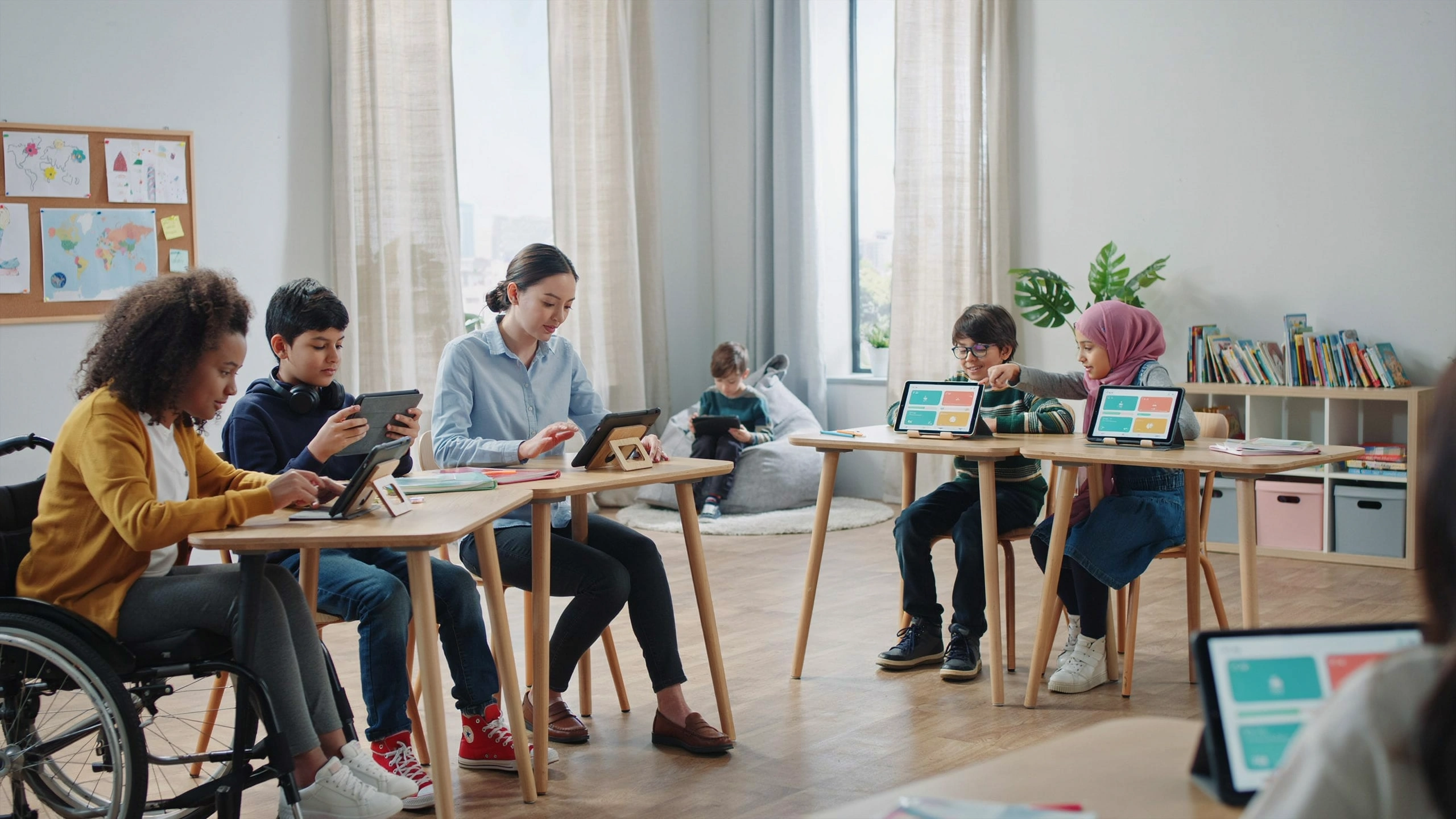
Adaptive learning platforms can analyze student performance and automatically adjust lesson difficulty based on individual progress. Educational software provides targeted practice, while learning management systems help teachers track achievement and identify areas that require additional support.
Artificial Intelligence is also contributing by recommending personalized resources, generating practice questions, and offering instant feedback.
Technology does not replace teachers—it enhances their ability to meet each student’s needs more effectively.
Student Choice and Voice
An important feature of personalized learning is giving students greater control over their education.
Students may choose:
- Topics for research projects.
- Books to read.
- Methods for demonstrating understanding.
- Collaborative or independent activities.
- Learning goals based on personal interests.
Providing meaningful choices increases motivation and helps students develop responsibility for their own learning.
Flexible Learning Paths
Not every student learns at the same speed.
Personalized learning allows students to spend more time on challenging concepts while advancing quickly through material they already understand.
Flexible pacing reduces frustration, supports mastery of essential skills, and encourages continuous growth rather than competition with classmates.
Benefits of Personalized Learning
Schools implementing personalized learning often observe numerous positive outcomes.
Higher Student Engagement
Lessons become more meaningful because they connect with students’ interests and learning preferences.
Improved Academic Achievement
Targeted instruction helps students master concepts more effectively than traditional whole-class instruction alone.
Stronger Critical Thinking Skills
Students are encouraged to solve problems, ask questions, conduct research, and think independently.
Increased Confidence
Learning at an appropriate pace helps students experience success and develop a positive attitude toward education.
Better Preparation for the Future
Personalized learning develops essential skills such as self-management, collaboration, communication, and lifelong learning.
Challenges of Personalized Learning
Although personalized learning offers many advantages, schools may encounter several challenges.
Teacher Preparation
Educators need professional development to effectively design personalized learning experiences.
Access to Technology
Successful implementation often depends on reliable internet access and digital devices, which may not be available in every school.
Time and Planning
Creating individualized lessons requires careful planning, ongoing assessment, and continuous adjustment.
Balancing Individual and Group Learning
Teachers must ensure that students receive personalized instruction while still benefiting from collaboration and shared classroom experiences.
The Future of Personalized Learning
As educational technology continues to improve, personalized learning will become even more sophisticated.
Future classrooms may include:
- AI-powered learning assistants.
- Real-time progress monitoring.
- Virtual and augmented reality experiences tailored to each learner.
- Predictive analytics that identify learning difficulties early.
- Customized educational pathways that prepare students for their individual career goals.
Despite these technological advances, meaningful relationships between teachers and students will remain the foundation of effective education.
Conclusion
Personalized learning represents a major shift from traditional education toward a more flexible, student-centered approach. By recognizing that every learner is unique, schools can provide instruction that meets individual needs, encourages curiosity, and supports academic success.
Through thoughtful teaching, innovative technology, and a commitment to equity, personalized learning has the potential to transform classrooms into environments where every student feels valued, challenged, and empowered to achieve their best.
As education continues to evolve, personalized learning will play a central role in preparing students for a future that demands adaptability, creativity, collaboration, and lifelong learning.