
Introduction
Children with learning disabilities often face challenges that extend beyond academics. Struggling to read, write, solve math problems, or complete classroom tasks can sometimes lead to frustration, self-doubt, and feelings of inadequacy. Over time, repeated setbacks may affect a child’s self-esteem and willingness to participate in learning.
Building self-esteem is just as important as teaching academic skills. When children believe in themselves and recognize their strengths, they become more resilient, motivated, and prepared to overcome challenges. Parents, teachers, and caregivers all play an essential role in helping children develop a positive self-image.
Understanding Self-Esteem
Self-esteem is the way individuals perceive and value themselves. Children with healthy self-esteem believe they are capable of learning, improving, and contributing to the world around them.
For children with learning disabilities, self-esteem may be influenced by:
- Academic success or failure.
- Relationships with teachers and peers.
- Family support.
- Personal achievements.
- Opportunities to develop strengths.
- The way mistakes are handled.
Positive experiences build confidence, while repeated criticism or comparison can weaken it.
Why Children with Learning Disabilities May Struggle with Self-Esteem
Many students with learning disabilities work harder than their classmates but may still receive lower grades or require additional support.
This can lead to:
- Feeling “different” from peers.
- Fear of making mistakes.
- Anxiety about school.
- Avoidance of challenging tasks.
- Reduced participation in class.
- Negative self-talk.
- Low motivation.
Without encouragement, children may begin to believe that they are incapable of succeeding, even when they possess great potential.
Recognize and Celebrate Strengths
Every child has unique talents that deserve recognition.
Children with learning disabilities often excel in areas such as:
- Creativity.
- Art and music.
- Sports.
- Leadership.
- Problem-solving.
- Building and designing.
- Storytelling.
- Technology.
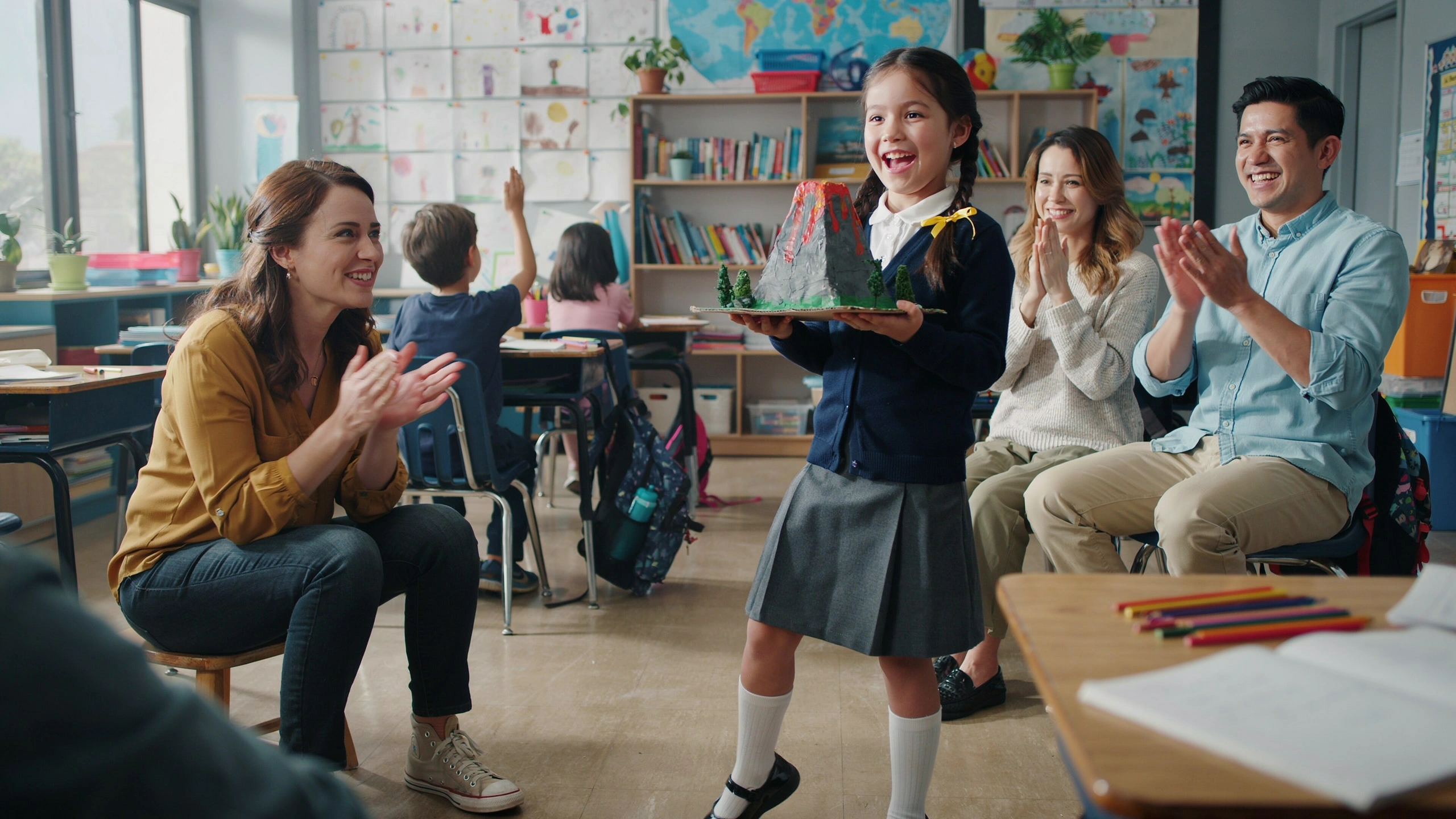
Parents and teachers should regularly acknowledge these strengths and provide opportunities for children to develop them.
Celebrating success outside academics reminds children that intelligence takes many forms.
Praise Effort, Not Just Results
One of the most effective ways to build confidence is to praise persistence and hard work.
Instead of saying:
“You’re so smart.”
Try saying:
- “I noticed how hard you worked on that assignment.”
- “You didn’t give up when it became difficult.”
- “Your practice is really paying off.”
- “I’m proud of your determination.”
This type of encouragement promotes a growth mindset and teaches children that improvement comes through effort.
Set Realistic and Achievable Goals
Large goals can feel overwhelming.
Help children succeed by setting small, measurable objectives, such as:
- Reading one chapter each day.
- Learning five new spelling words.
- Completing homework independently.
- Practicing multiplication for ten minutes.
- Writing one well-organized paragraph.
Achieving small goals creates momentum and increases confidence.
Encourage Independence
Children gain self-esteem when they learn to solve problems on their own.
Parents and teachers can encourage independence by allowing children to:
- Organize school materials.
- Make age-appropriate decisions.
- Complete tasks with guidance instead of direct answers.
- Ask for help when needed.
- Reflect on their own progress.
Independence helps children develop responsibility and self-confidence.
Create a Safe Learning Environment
Children learn best when they know mistakes are accepted as part of the learning process.
Teachers can build a supportive classroom by:
- Encouraging questions.
- Respecting different learning styles.
- Avoiding negative comparisons.
- Celebrating individual progress.
- Responding to mistakes with patience and guidance.
A positive environment reduces anxiety and encourages active participation.
Teach Positive Self-Talk
Children often develop internal beliefs based on their experiences.
Help them replace negative thoughts like:
- “I’m bad at school.”
- “I’ll never learn this.”
- “Everyone is smarter than me.”
With positive alternatives such as:
- “I can improve with practice.”
- “Learning takes time.”
- “Everyone learns differently.”
- “Mistakes help me grow.”
Positive self-talk builds resilience and perseverance.
Encourage Meaningful Friendships
Supportive friendships contribute greatly to healthy self-esteem.
Teachers and parents can encourage social development by:
- Organizing cooperative learning activities.
- Encouraging participation in clubs or sports.
- Teaching empathy and respect.
- Helping children develop communication skills.
- Addressing bullying immediately.
Feeling accepted by peers strengthens emotional well-being.
Partner with Families and Schools
Consistent support between home and school provides children with stability and encouragement.
Parents and teachers should:
- Share successes regularly.
- Discuss effective learning strategies.
- Set common goals.
- Celebrate improvements together.
- Maintain open and respectful communication.
Working as a team ensures that children receive consistent messages of support.
Help Children Discover Their Passions
Success outside the classroom often strengthens confidence inside the classroom.
Encourage children to explore interests such as:
- Painting.
- Music.
- Coding.
- Gardening.
- Photography.
- Drama.
- Robotics.
- Community service.
- Sports.
Developing talents reminds children that they have valuable abilities beyond academic performance.
Be a Positive Role Model
Children learn by observing adults.
Parents and teachers can model confidence by:
- Speaking positively about challenges.
- Demonstrating perseverance.
- Accepting mistakes gracefully.
- Celebrating continuous learning.
- Showing patience and optimism.
Positive role models teach children that setbacks are opportunities for growth.
Looking Toward the Future
Many successful scientists, entrepreneurs, artists, engineers, athletes, and innovators have learning disabilities. Their achievements demonstrate that challenges in school do not determine future success.
Children who develop strong self-esteem are more likely to:
- Take on new challenges.
- Develop resilience.
- Build healthy relationships.
- Achieve academic goals.
- Pursue meaningful careers.
- Become confident lifelong learners.
Confidence often becomes the foundation for long-term success.
Conclusion
Building self-esteem in children with learning disabilities is about recognizing their strengths, encouraging perseverance, and creating opportunities for success. While academic support is essential, emotional support is equally important.
By celebrating effort, promoting independence, fostering positive relationships, and helping children discover their unique talents, parents and educators can nurture confident learners who believe in their ability to succeed. When children understand that their worth is not defined by grades or learning challenges, they develop the resilience and optimism needed to thrive throughout life.