
Introduction
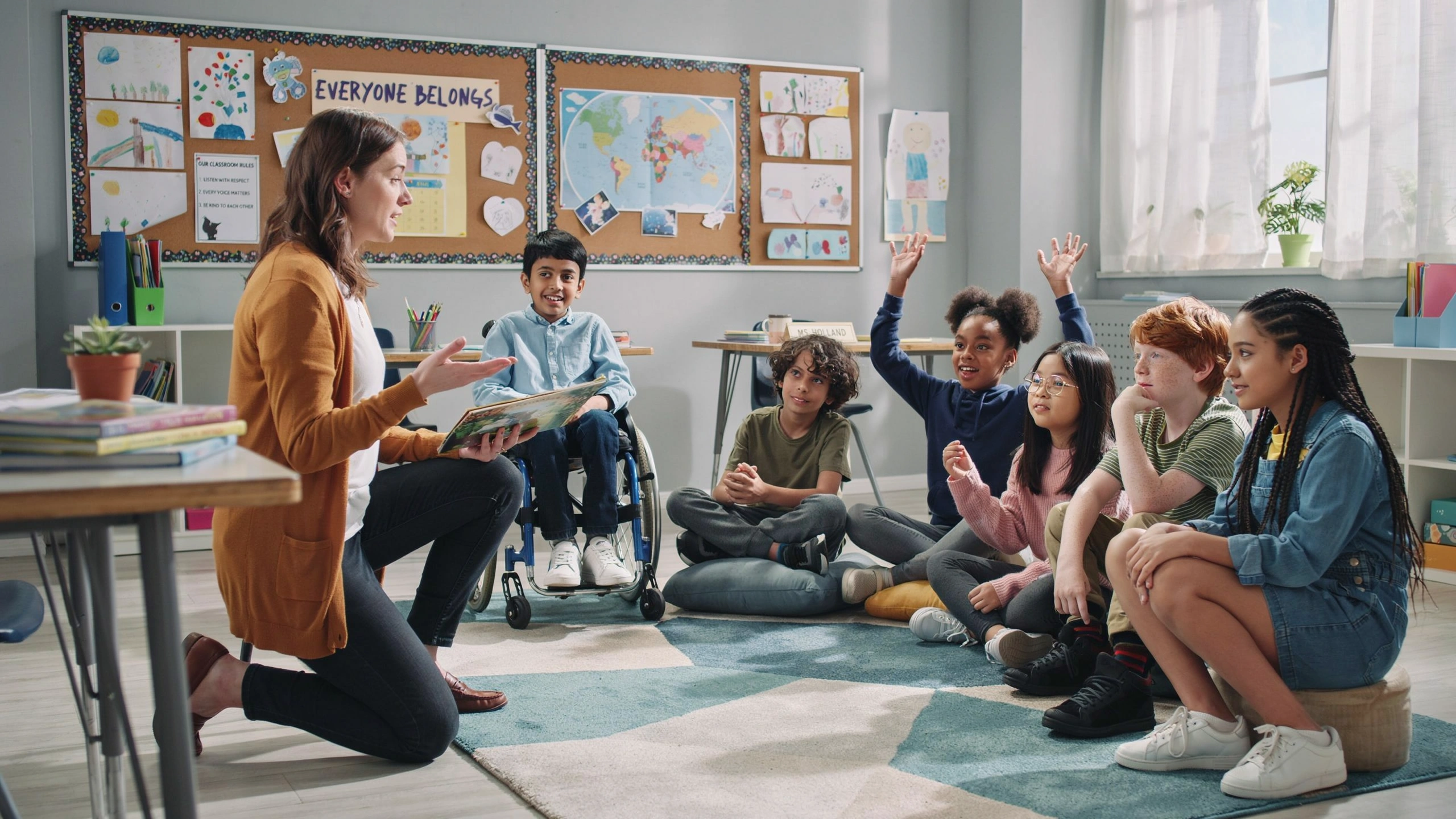
Schools are places where students develop not only academic knowledge but also the attitudes and values that shape how they interact with others. Every classroom includes students with different cultures, languages, abilities, religions, socioeconomic backgrounds, and personal experiences. While diversity enriches learning, it can also expose students to stereotypes, prejudice, and unequal treatment if these issues are not addressed.
Teachers play a critical role in creating equitable learning environments where every student is respected, supported, and given equal opportunities to succeed. By recognizing and challenging bias, educators help students develop fairness, empathy, and respect for diversity. Promoting equity is not about treating every student exactly the same—it is about ensuring that each learner receives the support they need to achieve their full potential.
Understanding Bias and Equity
Bias refers to attitudes, beliefs, or assumptions that unfairly influence how we perceive or treat individuals or groups. Bias can be conscious or unconscious and may affect decisions, expectations, and interactions in the classroom.
Equity, on the other hand, means providing students with the resources, opportunities, and support they need according to their individual circumstances. Unlike equality, which gives everyone the same resources, equity recognizes that different students may require different forms of assistance to achieve similar outcomes.
An equitable classroom values diversity and works to remove barriers that limit student success.
Why Challenging Bias Matters
Unchecked bias can negatively affect students in many ways. It may influence teacher expectations, classroom participation, peer relationships, and academic achievement.
Promoting equity helps:
- Increase student confidence.
- Improve academic outcomes.
- Strengthen classroom relationships.
- Reduce discrimination.
- Encourage mutual respect.
- Create a stronger sense of belonging.
- Prepare students for diverse communities.
Every student benefits from learning in an environment where fairness and respect are priorities.
1. Reflect on Personal Biases
Every educator has personal experiences and perspectives that may influence decision-making. Recognizing these biases is the first step toward creating a more equitable classroom.
Teachers can reflect by asking:
- Do I have different expectations for certain students?
- Who participates most often in my classroom?
- Whose voices are rarely heard?
- Do my teaching materials represent diverse perspectives?
- How can I make my classroom more inclusive?
Regular self-reflection promotes continuous professional growth.
2. Set High Expectations for Every Student
Teachers should believe that every learner is capable of growth and success.
High expectations include:
- Encouraging perseverance.
- Providing challenging learning opportunities.
- Offering constructive feedback.
- Celebrating progress.
- Avoiding stereotypes about students’ abilities.
Students often perform better when teachers demonstrate confidence in their potential.
3. Use Inclusive Teaching Materials
Learning resources should reflect the diversity of society.
Teachers can include:
- Literature from different cultures.
- Historical perspectives from multiple communities.
- Diverse scientists, artists, and leaders.
- Inclusive images and examples.
- Materials representing various family structures and life experiences.
Representation helps students feel seen and respected.
4. Encourage Respectful Dialogue
Open discussions help students understand different viewpoints and challenge stereotypes.
Teachers should create opportunities for students to:
- Share personal experiences.
- Ask thoughtful questions.
- Listen actively.
- Express opinions respectfully.
- Discuss fairness and social responsibility.
A respectful dialogue encourages critical thinking and empathy.
5. Respond to Bias Immediately
Bias or discriminatory behavior should never be ignored.
Teachers can respond by:
- Addressing inappropriate comments calmly.
- Explaining why certain language is harmful.
- Encouraging reflection.
- Reinforcing classroom expectations.
- Supporting students who may have been affected.
Prompt action demonstrates that respect is a non-negotiable classroom value.
6. Differentiate Instruction
Equity requires recognizing that students have different strengths and learning needs.
Teachers can support diverse learners by:
- Offering multiple ways to access content.
- Providing flexible assessment options.
- Using visual and hands-on learning activities.
- Incorporating assistive technology.
- Allowing appropriate accommodations.
These strategies ensure that all students have meaningful opportunities to learn.
7. Build Strong Relationships
Positive relationships help teachers better understand students’ strengths, interests, and challenges.
Teachers can:
- Learn students’ names correctly.
- Show genuine interest in their experiences.
- Listen without judgment.
- Celebrate achievements.
- Provide consistent encouragement.
Strong relationships create trust and improve student engagement.
8. Partner with Families and Communities
Families provide valuable perspectives that enrich inclusive education.
Teachers should:
- Maintain open communication.
- Respect cultural traditions.
- Invite family participation.
- Share positive student achievements.
- Collaborate to support learning goals.
Family partnerships strengthen equity and inclusion both inside and outside the classroom.
9. Promote Student Leadership
Students should be encouraged to become advocates for fairness and inclusion.
Teachers can provide opportunities for students to:
- Lead group discussions.
- Participate in student councils.
- Mentor younger students.
- Organize inclusion projects.
- Develop community service initiatives.
Leadership experiences help students become active contributors to an inclusive school culture.
10. Commit to Continuous Learning
Promoting equity is an ongoing journey.
Teachers can continue developing their practice by:
- Attending professional development workshops.
- Reading current educational research.
- Collaborating with colleagues.
- Reflecting on classroom experiences.
- Seeking feedback from students and families.
Lifelong learning enables educators to respond effectively to changing student needs.
Challenges in Promoting Equity
Teachers may encounter challenges such as:
- Limited resources.
- Time constraints.
- Large and diverse classrooms.
- Unconscious bias.
- Resistance to change.
Despite these obstacles, consistent effort and reflection can lead to meaningful improvements.
Benefits of Equitable Classrooms
When equity becomes a core classroom value, students develop:
- Confidence.
- Empathy.
- Critical thinking.
- Respect for diversity.
- Collaboration skills.
- Social responsibility.
- Academic resilience.
Teachers also benefit from stronger relationships, greater student engagement, and a more positive classroom environment.
Conclusion
Teachers have the power to shape classrooms where every student feels respected, valued, and capable of success. By recognizing personal biases, setting high expectations, using inclusive materials, encouraging respectful dialogue, and providing equitable learning opportunities, educators create environments where diversity is celebrated rather than merely accepted.
Promoting equity is not a one-time initiative but an ongoing commitment to fairness, inclusion, and continuous improvement. When teachers actively challenge bias and remove barriers to learning, they empower students to achieve their full potential while preparing them to become compassionate, responsible, and respectful members of an increasingly diverse world.