
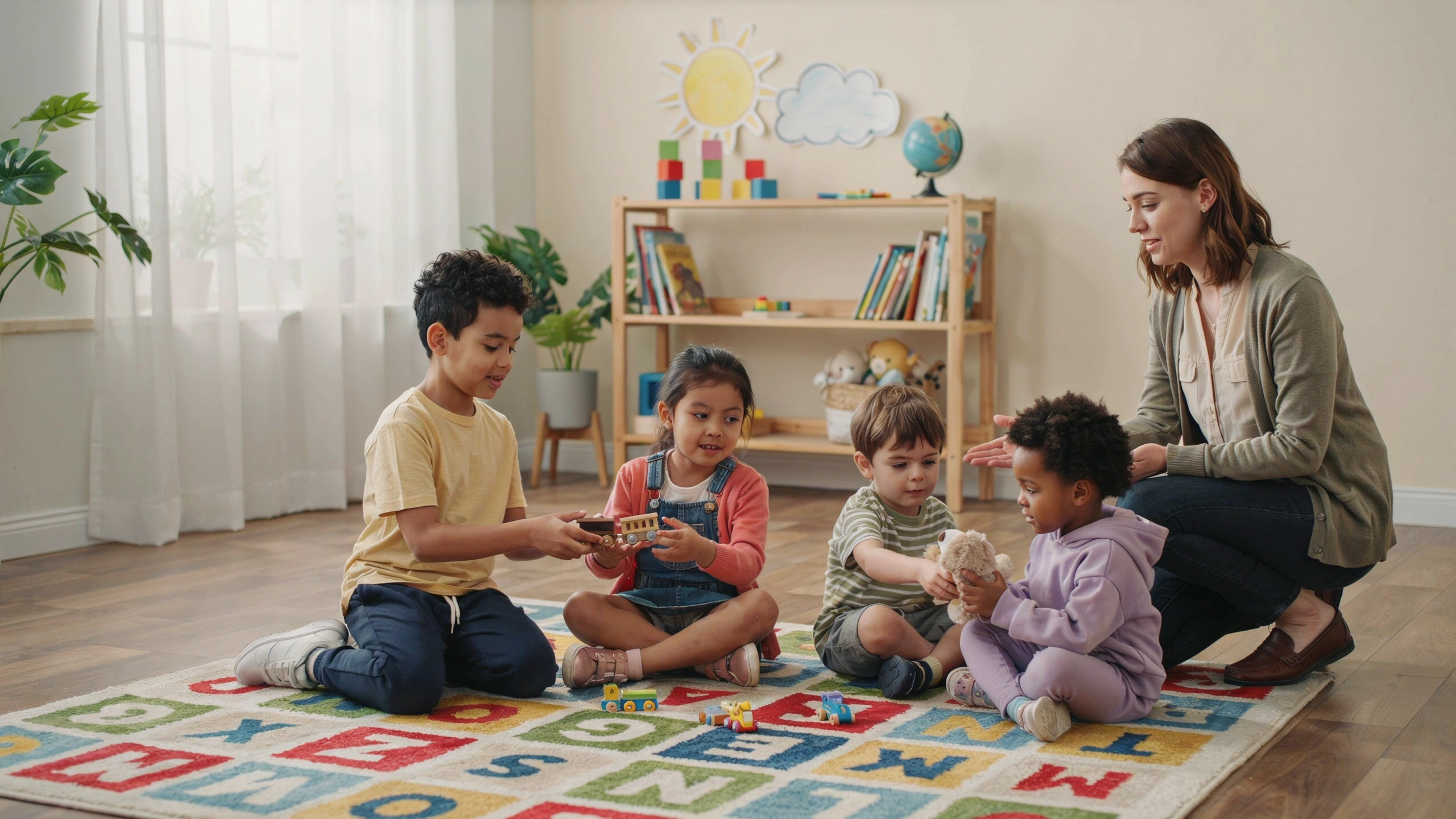
Introduction
Social skills are an important part of everyday life. They help children communicate, build friendships, understand emotions, and participate successfully in their communities. For children with Autism Spectrum Disorder (ASD), developing social skills can sometimes be challenging because they may process social information differently.
However, social skills can be taught, practiced, and strengthened through meaningful experiences. By using everyday activities, teachers, parents, and caregivers can create natural opportunities for autistic children to learn how to interact, communicate, and connect with others.
The goal is not to force children to behave in a certain way but to help them develop communication strategies that allow them to express themselves and build positive relationships.
1. Understanding Social Skills in Autism
Social skills include many abilities that people use in daily interactions, such as:
- Starting and maintaining conversations.
- Listening and responding to others.
- Taking turns.
- Sharing ideas and objects.
- Understanding emotions.
- Asking for help.
- Working with others.
- Following social rules.
Children with autism may experience difficulties with some of these skills, but their challenges are different from one child to another.
Some children may:
- Find it difficult to understand facial expressions.
- Need support with starting conversations.
- Prefer individual activities rather than group activities.
- Struggle with unexpected changes during social interactions.
Understanding these differences helps adults provide effective support.
2. Why Everyday Activities Are Effective for Teaching Social Skills
Children learn best when skills are connected to real-life situations. Everyday activities provide natural opportunities for practice.
Compared with isolated lessons, daily experiences allow children to:
- Use skills in meaningful contexts.
- Practice repeatedly.
- Learn through observation.
- Develop confidence gradually.
Examples of everyday learning opportunities include:
- Playing games.
- Eating meals together.
- Shopping.
- Classroom activities.
- Group projects.
- Family routines.
3. Teaching Social Skills Through Play
Play is one of the most powerful ways children develop social abilities.
Turn-Taking Games
Games teach children:
- Waiting for their turn.
- Following rules.
- Accepting winning and losing.
- Paying attention to others.
Examples:
- Board games.
- Card games.
- Building activities.
- Simple group challenges.
Teachers can support learning by saying:
“Now it is your friend’s turn. You can wait and then play again.”
Cooperative Play Activities
Cooperative activities encourage teamwork.
Examples:
- Building a tower together.
- Creating an art project.
- Solving a puzzle as a group.
Children learn to:
- Share materials.
- Communicate ideas.
- Listen to classmates.
4. Using Role-Playing to Practice Social Situations
Role-playing allows children to practice situations before experiencing them in real life.
Teachers can create scenarios such as:
Making a Friend
Child practices:
“Hello, can I play with you?”
Asking for Help
Child practices:
“I need help with this activity.”
Joining a Conversation
Child practices:
“Can I talk with you?”
Role-playing helps reduce anxiety because children know what to expect.
5. Teaching Emotional Understanding
Recognizing and expressing emotions is an important social skill.
Teachers can help children identify:
- Happiness.
- Sadness.
- Anger.
- Fear.
- Frustration.
- Excitement.
Useful strategies include:
Emotion Cards
Children match pictures of faces with emotions.
Example:
😊 Happy
😢 Sad
😡 Angry
Talking About Feelings
Adults can ask:
- “How do you feel today?”
- “What happened?”
- “What can help you feel better?”
This develops emotional awareness and communication.
6. Supporting Communication Skills
Social interaction depends on effective communication.
Teachers can support autistic children by:
Teaching Conversation Skills
Practice:
- Greeting others.
- Asking questions.
- Answering questions.
- Staying on a topic.
Example:
Friend: “What game do you like?”
Child: “I like puzzles.”
Encouraging Different Communication Methods
Some children may communicate through:
- Speech.
- Pictures.
- Gestures.
- Communication devices.
Every communication method should be respected and supported.
7. Using Classroom Activities to Build Social Skills
The classroom offers many opportunities for social learning.
Group Projects
Students can work together on:
- Science experiments.
- Presentations.
- Creative projects.
Teachers can assign roles:
- Leader.
- Writer.
- Organizer.
- Presenter.
This helps children understand teamwork.
Classroom Responsibilities
Simple responsibilities teach cooperation.
Examples:
- Distributing materials.
- Organizing books.
- Helping classmates.
These activities encourage participation and belonging.
8. Encouraging Peer Support and Friendships
Peers can play an important role in supporting autistic students.
Teachers can encourage:
- Buddy systems.
- Cooperative learning.
- Inclusive games.
- Peer mentoring.
Students can learn from each other by:
- Modeling communication.
- Sharing interests.
- Practicing teamwork.
Peer support benefits all students by developing empathy and understanding.
9. Teaching Social Skills at Home
Families can integrate social learning into daily routines.
Examples:
During Meals
Children practice:
- Sitting together.
- Asking questions.
- Sharing conversations.
During Shopping
Children practice:
- Greeting workers.
- Making choices.
- Following instructions.
During Family Activities
Children practice:
- Cooperation.
- Sharing.
- Expressing opinions.
Small daily moments can create valuable learning experiences.
10. Using Positive Reinforcement
Positive reinforcement encourages children to continue practicing social behaviors.
Effective reinforcement includes:
- Specific praise.
Example:
“You waited for your turn very patiently.”
- Encouragement.
- Rewards when appropriate.
- Recognition of effort.
The focus should be on progress rather than perfection.
11. Respecting Individual Differences
Not all autistic children have the same social goals.
Some children may want to develop friendships, while others may prefer limited social interaction. Both preferences should be respected.
Effective teaching focuses on:
- Communication.
- Comfort.
- Confidence.
- Personal goals.
Social skills education should support children in becoming themselves, not in hiding who they are.
Conclusion
Teaching social skills to children with autism requires patience, understanding, and meaningful practice. Everyday activities provide natural opportunities for children to learn communication, cooperation, emotional expression, and relationship-building.
Through play, classroom activities, family routines, and supportive interactions, autistic children can develop important social skills that improve their independence and quality of life.
An inclusive approach recognizes that every child has a unique way of connecting with others, and education should help every learner find their own path to meaningful relationships.