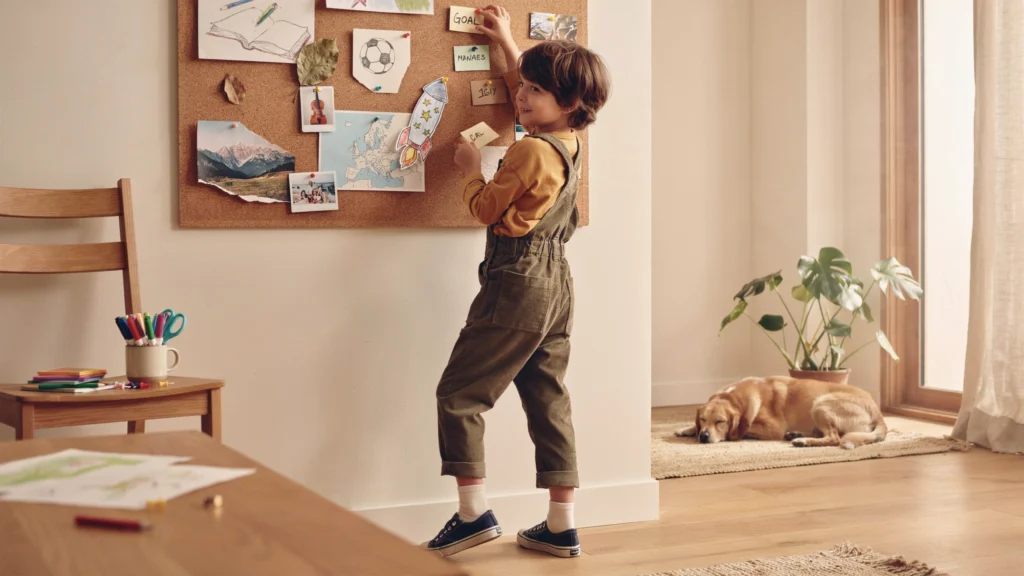
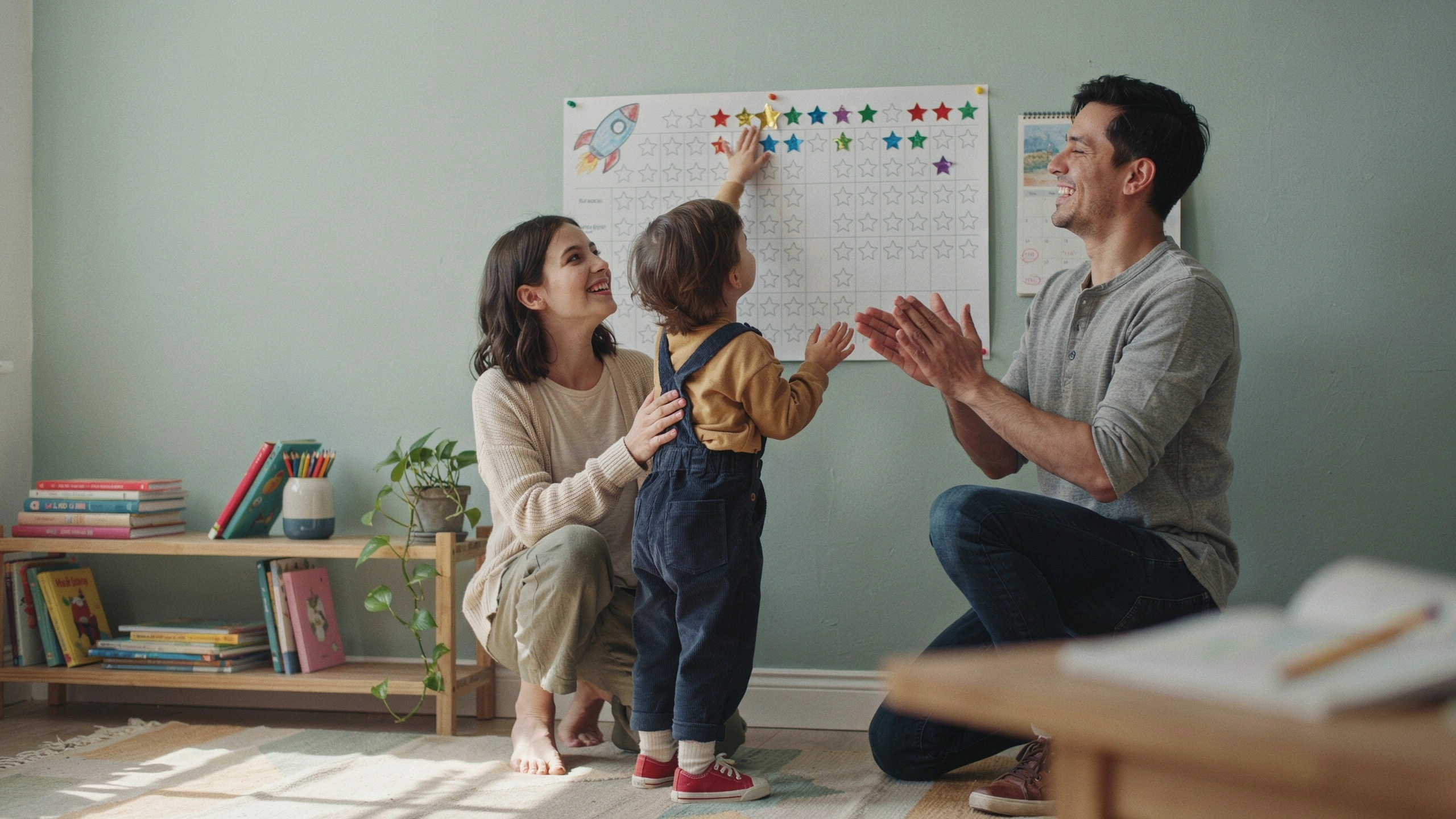
Every great achievement begins with a simple goal. Whether a child wants to learn to ride a bicycle, improve their reading skills, or save money for a special toy, setting goals gives them direction and motivation. It teaches children that success is not something that happens overnight—it is built through consistent effort, patience, and determination.
By helping children set realistic and achievable goals, parents can encourage responsibility, resilience, and confidence. These valuable habits will support them throughout school, future careers, and everyday life.
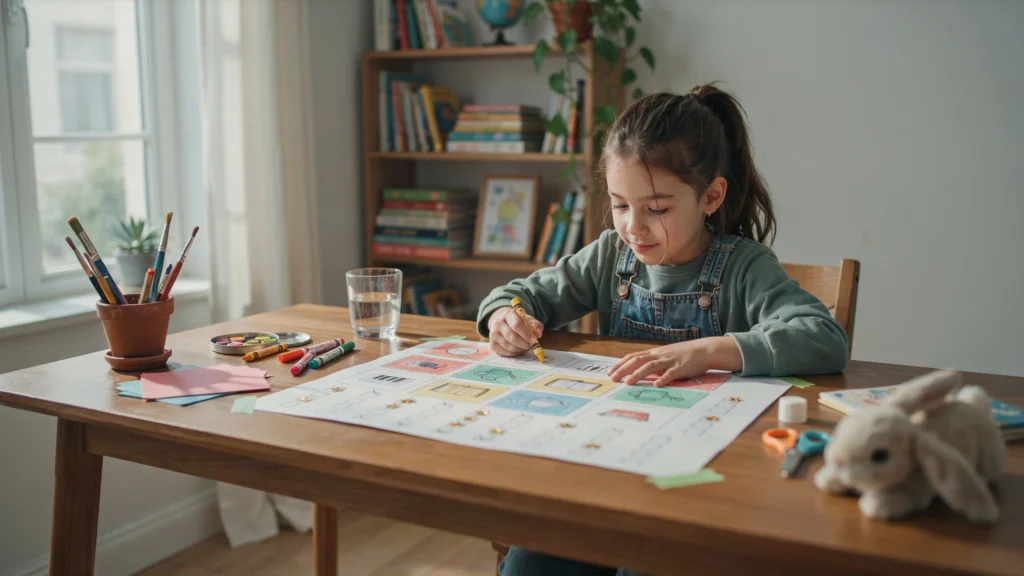
Why Goal Setting Matters
Goals give children a clear purpose. Instead of feeling overwhelmed by a large task, they learn to focus on one step at a time.
Children who practice goal setting often:
- Become more motivated to learn.
- Develop stronger organizational skills.
- Improve self-discipline.
- Build confidence through achievement.
- Learn to manage challenges more effectively.
- Celebrate progress instead of expecting perfection.
These skills help children become independent and lifelong learners.
Start with Simple, Achievable Goals
Young children learn best when goals are realistic and age-appropriate.
Examples include:
- Read one book each week.
- Practice the piano for 15 minutes every day.
- Learn five new vocabulary words.
- Keep the bedroom tidy for one week.
- Water the plants every morning.
Small successes encourage children to aim for bigger goals in the future.
Break Big Goals into Smaller Steps
Large goals can seem difficult at first.
For example, if a child wants to finish a chapter book, help them divide the goal into smaller tasks:
- Read ten pages each day.
- Talk about the story after reading.
- Mark completed chapters on a calendar.
- Celebrate finishing the book.
Breaking goals into manageable steps makes success feel achievable.
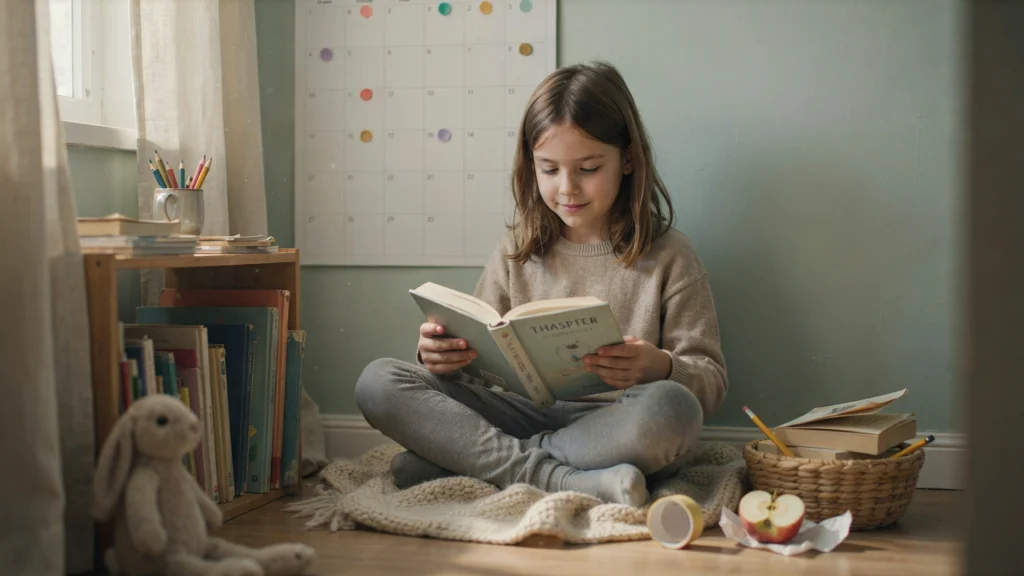
Write Goals Down
Writing goals makes them more meaningful.
Children can:
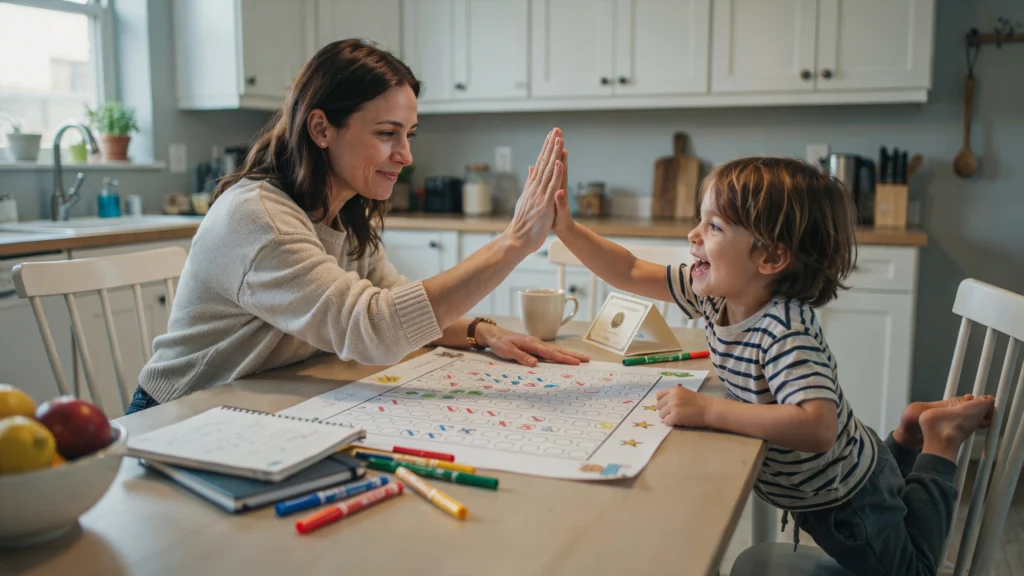
- Create a colorful goal chart.
- Keep a goal journal.
- Use stickers to track progress.
- Draw pictures representing their goals.
- Hang their goals where they can see them every day.
Visual reminders help children stay motivated and focused.
Teach Patience and Persistence
Not every goal is achieved quickly.
When children encounter obstacles, remind them that progress takes time.
Say things like:
- “Every small step counts.”
- “Learning takes practice.”
- “Keep going—you’re getting better.”
- “It’s okay if it takes time.”
These encouraging words help children develop resilience and perseverance.
Celebrate Progress Along the Way
Children benefit from recognizing improvements, not just completed goals.
Celebrate milestones by:
- Offering praise.
- Sharing encouraging words.
- Spending extra family time together.
- Creating a progress certificate.
- Taking a photo to remember the achievement.
Positive reinforcement helps children stay motivated for future goals.
Encourage Children to Reflect
After reaching a goal, ask questions such as:
- What helped you succeed?
- What was the biggest challenge?
- What did you learn?
- What would you do differently next time?
- What goal would you like to work on next?
Reflection helps children understand that every experience teaches valuable lessons.
Be a Positive Role Model
Children learn by observing adults.
Share your own goals with your child.
For example:
- Reading more books.
- Learning a new skill.
- Exercising regularly.
- Organizing your workspace.
- Saving money for a family trip.
When children see adults working toward goals, they understand that learning and personal growth continue throughout life.
Keep Goals Flexible
Sometimes goals need to change.
If a goal becomes too difficult or no longer fits a child’s interests, help them adjust it without feeling discouraged.
Teaching flexibility shows children that success isn’t about being perfect—it’s about continuing to grow and adapt.
Building a Future of Success
Goal setting teaches children far more than how to complete tasks. It helps them develop confidence, responsibility, patience, and determination. Every small achievement reminds them that their efforts can lead to meaningful results.
By encouraging children to dream, plan, and work steadily toward their goals, parents give them valuable tools for lifelong success. Whether the goal is learning a new skill, helping others, or exploring a new hobby, each accomplishment builds confidence for the next challenge.
The journey toward success begins with one simple step. When children learn to set goals and believe in their ability to achieve them, they discover that even the biggest dreams are possible—one small step at a time.