Time is one of our most valuable resources, and learning how to manage it is an important life skill. While young children may not fully understand clocks or schedules, they can begin developing habits that help them organize their day, complete tasks, and balance responsibilities with play.
Teaching time management doesn’t mean filling every minute with activities. Instead, it means helping children understand routines, set priorities, and use their time wisely. By introducing these skills early, parents can prepare children for greater independence and success both in school and beyond.
Why Time Management Matters
Good time management helps children feel more organized and less overwhelmed. As they learn to plan their day, they become more confident and responsible.
Children with strong time management skills often:
- Complete tasks more independently.
- Feel less stressed about homework and responsibilities.
- Develop better organizational habits.
- Learn the value of planning ahead.
- Have more time for hobbies and family activities.
These habits support lifelong learning and personal growth.
Start with Daily Routines
Young children understand routines long before they understand schedules.
Create simple daily routines for activities such as:
- Waking up.
- Getting dressed.
- Eating meals.
- Homework time.
- Outdoor play.
- Bath time.
- Bedtime.
Predictable routines help children understand how different parts of the day fit together.
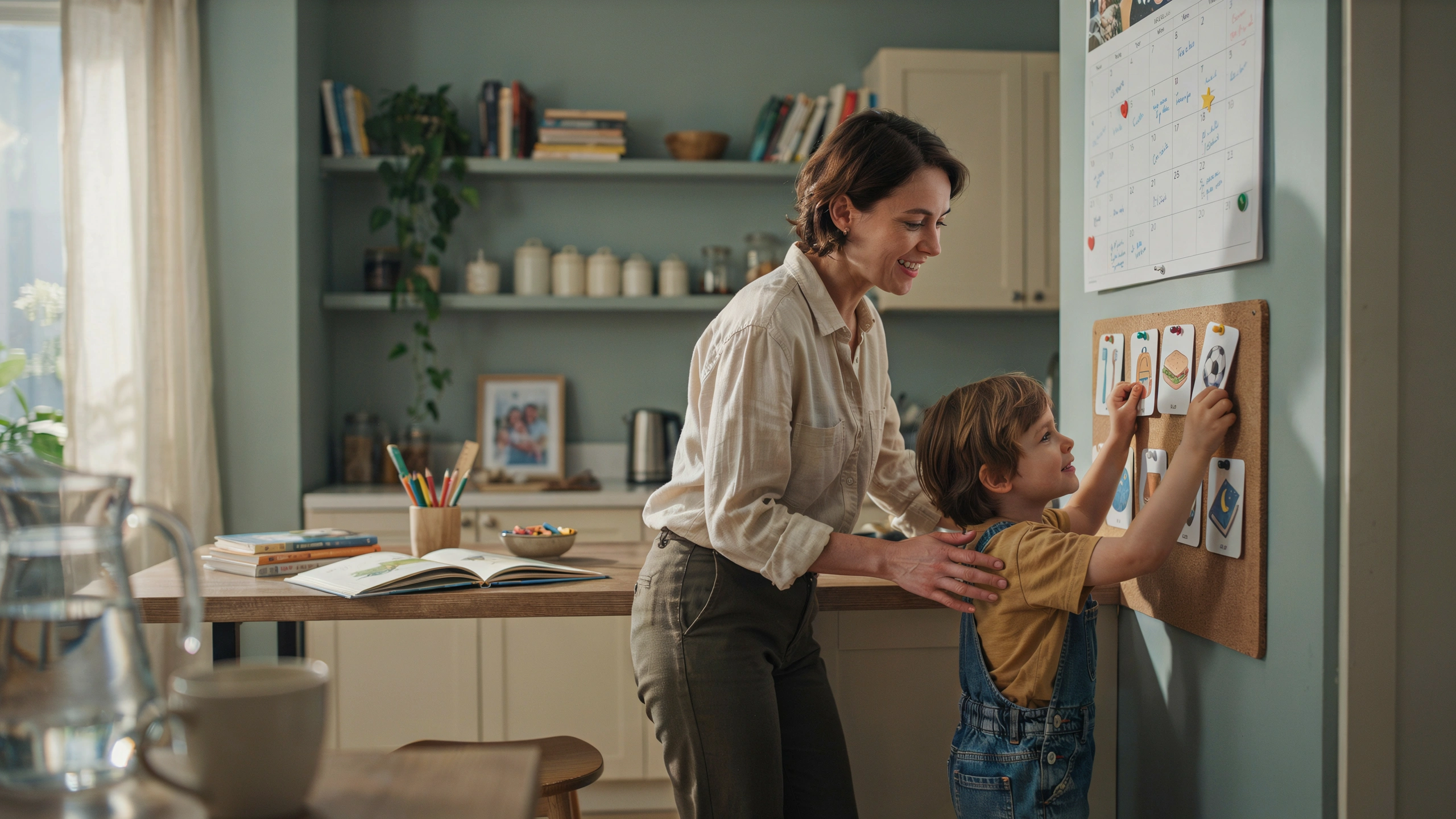
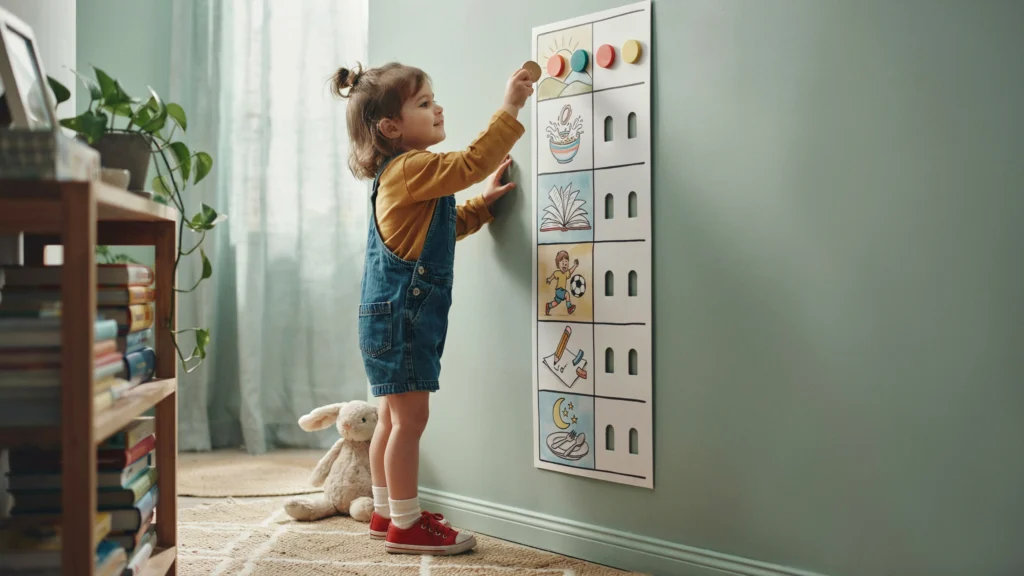
Use Visual Schedules
Pictures often work better than written lists for younger children.
Create a simple visual schedule showing daily activities with drawings or photos.
For example:
- Wake up
- Breakfast
- Learning time
- Outdoor play
- Dinner
- Story time
- Bedtime
Children enjoy checking off completed activities, which builds independence and responsibility.

Break Big Tasks into Smaller Steps
Large assignments can seem overwhelming.
Instead of saying:
“Clean your room.”
Break the task into manageable steps:
- Put books on the shelf.
- Pick up toys.
- Fold clothes.
- Make the bed.
Completing one step at a time helps children stay focused and motivated.
Teach the Importance of Priorities
Not every task is equally important.
Help children decide what should be done first by asking questions such as:
- “What needs to be finished today?”
- “Which task will take the longest?”
- “What can wait until later?”
Learning to prioritize helps children make thoughtful decisions about how they spend their time.
Make Time Visible
Young children often struggle to understand how long activities take.
Use simple tools like:
- Sand timers.
- Kitchen timers.
- Visual countdown clocks.
- Music playlists for short tasks.
For example, challenge your child to tidy up toys before a favorite song ends. Turning time into a game makes everyday responsibilities more enjoyable.
Balance Work and Play
Children need both responsibilities and free time.
A healthy daily schedule includes:
- Learning.
- Creative activities.
- Outdoor play.
- Family time.
- Quiet reading.
- Rest and sleep.
Balancing these activities teaches children that productivity and relaxation are equally important.

Encourage Planning Ahead
As children grow older, involve them in planning their week.
They can:
- Record school assignments.
- Schedule sports or music lessons.
- Plan family outings.
- Choose reading goals.
- Organize weekend activities.
Simple planning skills help children become more independent over time.
Be a Good Role Model
Children learn by watching adults.
Show healthy time management by:
- Arriving on time.
- Using calendars or planners.
- Completing important tasks before relaxing.
- Avoiding unnecessary rushing.
- Talking about how you organize your day.
Your example teaches valuable habits without formal lessons.
Celebrate Responsibility
Recognize your child’s progress with encouraging words such as:
- “You finished your homework on time.”
- “You remembered your morning routine.”
- “You planned your afternoon really well.”
- “You managed your time responsibly today.”
Positive reinforcement helps children feel proud of their growing independence.
Preparing Children for the Future
Time management is not about creating a busy schedule—it’s about helping children develop habits that reduce stress, increase confidence, and make daily life more enjoyable.
By introducing simple routines, encouraging planning, and allowing children to take responsibility for their own time, parents provide valuable skills that will benefit them throughout school, work, and adulthood.
Every small step toward managing time wisely helps children become more organized, capable, and confident individuals. Learning how to use time well today prepares them for the opportunities and challenges of tomorrow.