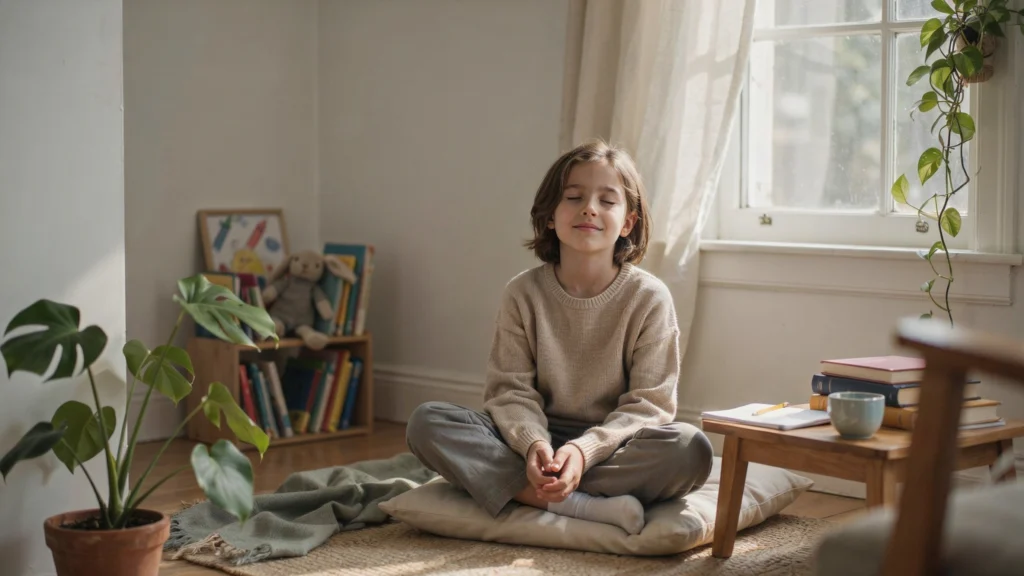
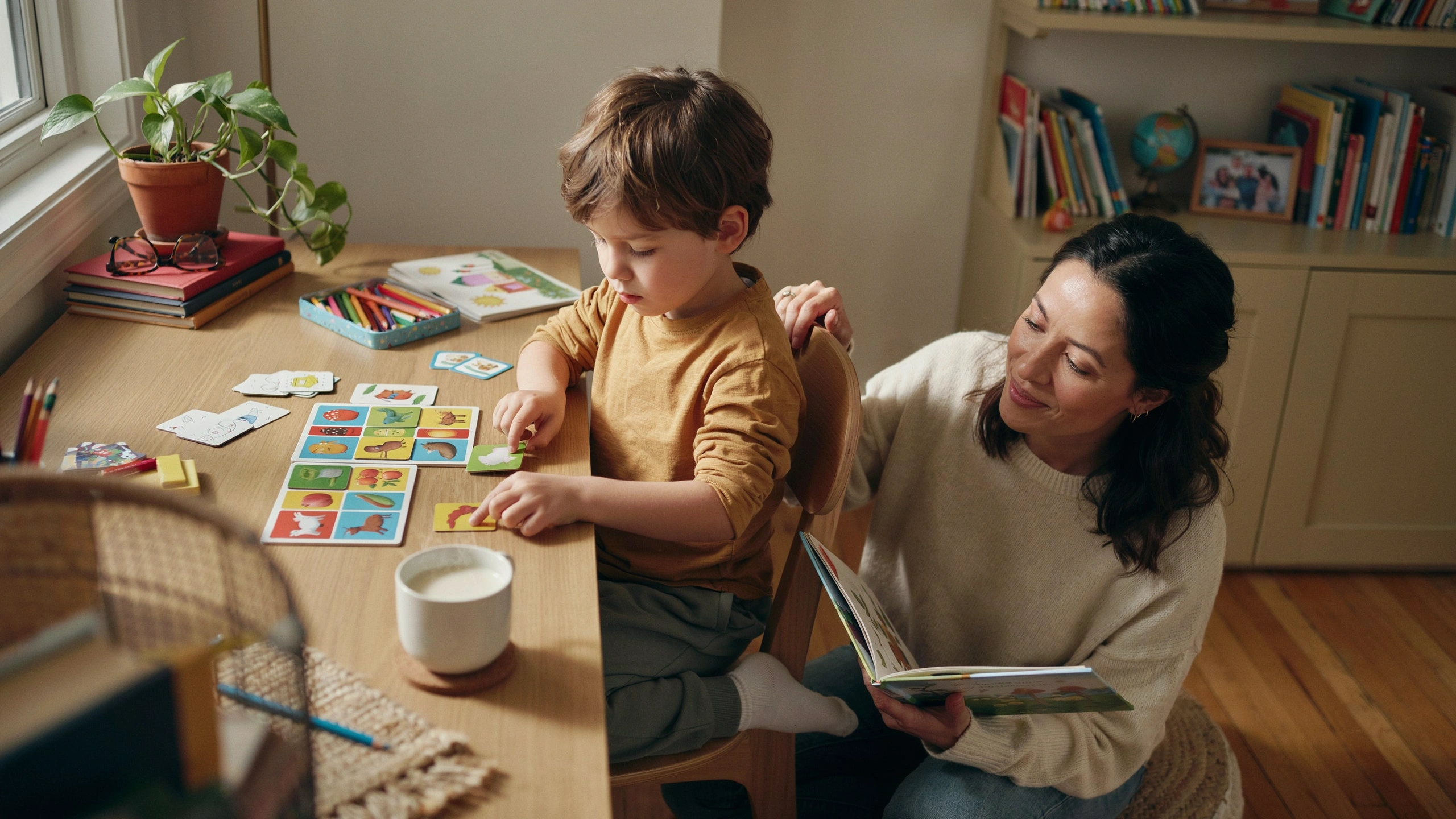
Memory and concentration are essential skills that help children succeed in school and everyday life. Whether they are learning to read, solving math problems, or following instructions, children rely on their ability to focus and remember information.
The good news is that these skills can be developed through simple, enjoyable activities. Parents don’t need expensive educational programs or complicated lessons. Small daily habits can make a big difference in helping children build stronger attention spans and better memory.
Why Memory and Concentration Matter
Children use memory and concentration in almost every activity they do. These skills allow them to:
- Follow directions.
- Complete tasks independently.
- Learn new vocabulary.
- Solve problems.
- Organize information.
- Build confidence in learning.
As these abilities grow, children often become more motivated and enjoy learning even more.
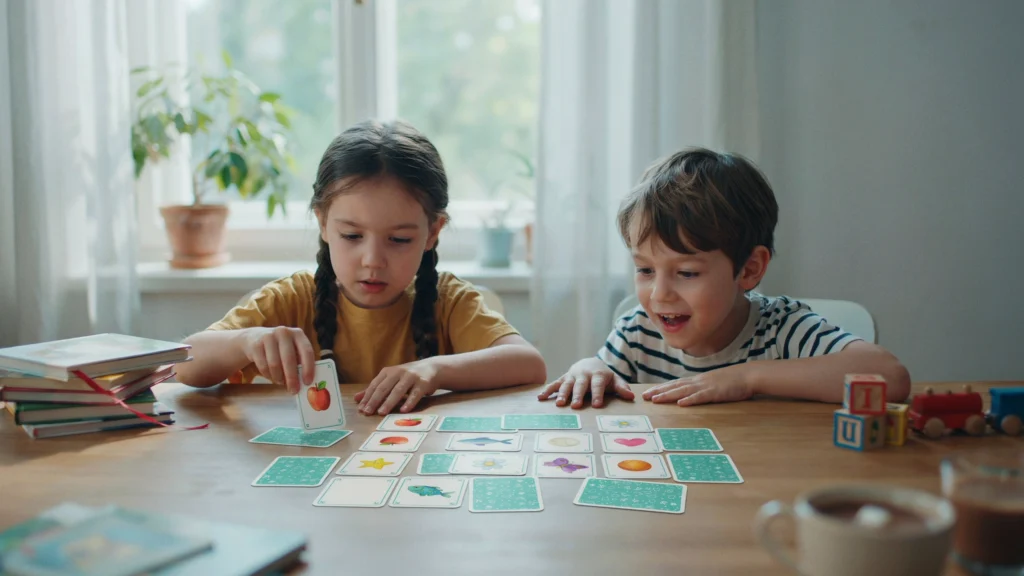
Create a Distraction-Free Learning Space
Children focus best in calm, organized environments.
When it’s time to read, complete homework, or work on a project, choose a space that is:
- Quiet.
- Well-lit.
- Comfortable.
- Free from unnecessary distractions.
- Organized with the materials they need.
A dedicated learning area helps children associate that space with concentration and productivity.
Break Tasks into Smaller Steps
Long or complicated activities can overwhelm young learners.
Instead of asking your child to complete a large assignment all at once, divide it into smaller, manageable parts.
For example:
- Read one page.
- Answer two questions.
- Take a short break.
- Continue with the next section.
Completing small goals keeps children motivated and focused.
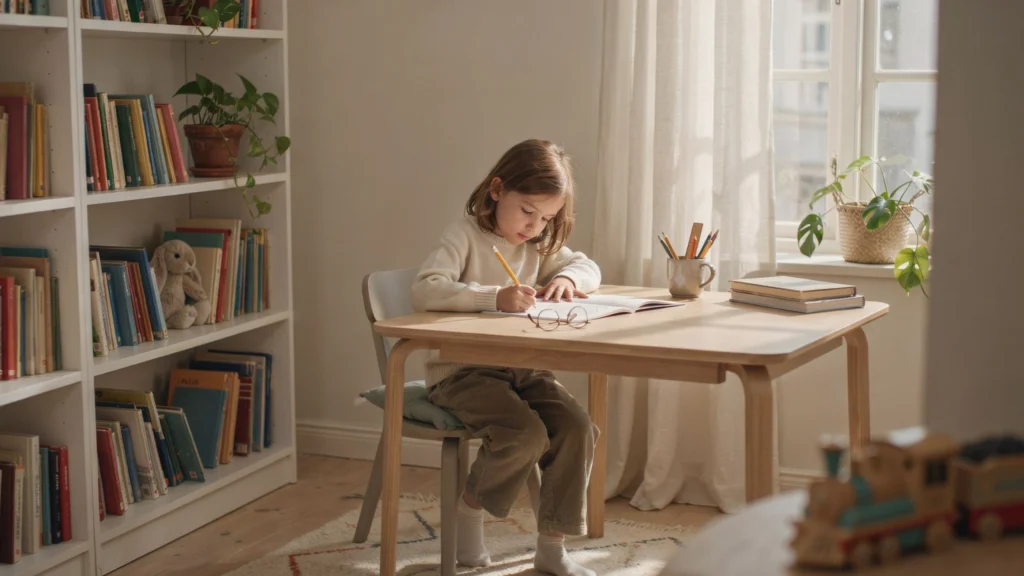
Play Memory Games
Games are one of the best ways to improve memory without children realizing they are learning.
Try activities such as:
- Matching card games.
- “I Went to the Market” memory game.
- Picture recall challenges.
- Simon Says.
- Remembering shopping lists.
- Sequencing story events.
These games strengthen both short-term and working memory while making learning enjoyable.
Encourage Active Reading
Reading becomes more effective when children actively engage with the story.
After reading together, ask questions like:
- Who was your favorite character?
- What happened first?
- Why do you think the character made that choice?
- What do you think will happen next?
Retelling stories in their own words also helps children strengthen comprehension and memory.
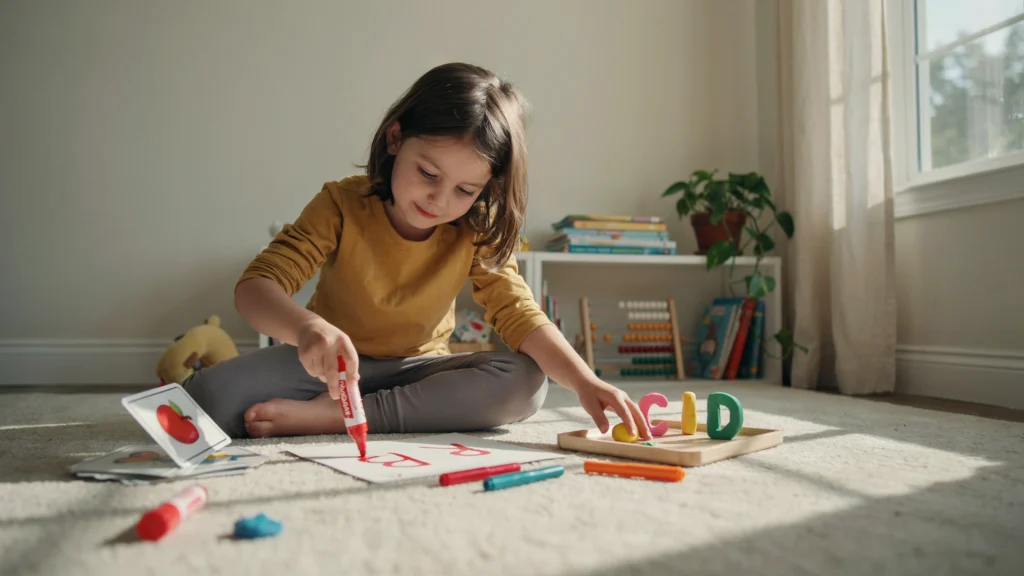
Make Learning Multi-Sensory
Children remember information more easily when multiple senses are involved.
For example, encourage them to:
- Write words while saying them aloud.
- Use colorful drawings.
- Build letters with clay.
- Act out stories.
- Clap rhythms while learning multiplication tables.
Using sight, sound, movement, and touch helps create stronger memory connections.
Establish Healthy Daily Habits
A healthy body supports a healthy brain.
Children learn and concentrate better when they have:
- Regular sleep schedules.
- Nutritious meals.
- Plenty of water.
- Daily physical activity.
- Time to relax and play.
Simple routines create the best conditions for learning.
Encourage Mindfulness and Quiet Moments
Young minds can easily become overwhelmed by constant activity.
Simple mindfulness exercises help improve focus.
Try:
- Deep breathing for one minute.
- Quiet observation of nature.
- Listening carefully to surrounding sounds.
- Stretching before homework.
- Closing the eyes and imagining a peaceful place.
These activities help children reset their attention and return to tasks with greater concentration.
Limit Multitasking
Children often concentrate better when they focus on one activity at a time.
Encourage them to finish one task before starting another.
For example:
- Complete homework before turning on the television.
- Finish a puzzle before beginning a new game.
- Read one book before choosing another.
Learning to focus on one activity builds stronger attention skills over time.
Celebrate Progress
Building memory and concentration takes practice.
Praise your child’s effort by saying:
- “You stayed focused for a long time today.”
- “You remembered all the steps!”
- “I noticed how carefully you listened.”
- “Your concentration is improving.”
Positive encouragement motivates children to continue developing these important skills.
Building Strong Minds for the Future
Memory and concentration are not talents that children are simply born with—they are skills that grow through practice, patience, and everyday experiences.
By creating supportive routines, encouraging playful learning, and providing opportunities to focus without pressure, parents can help children strengthen these abilities in enjoyable and meaningful ways.
Every story remembered, every puzzle completed, and every new idea understood helps build a stronger, more confident learner. Over time, these small daily habits become the foundation for lifelong learning and success.