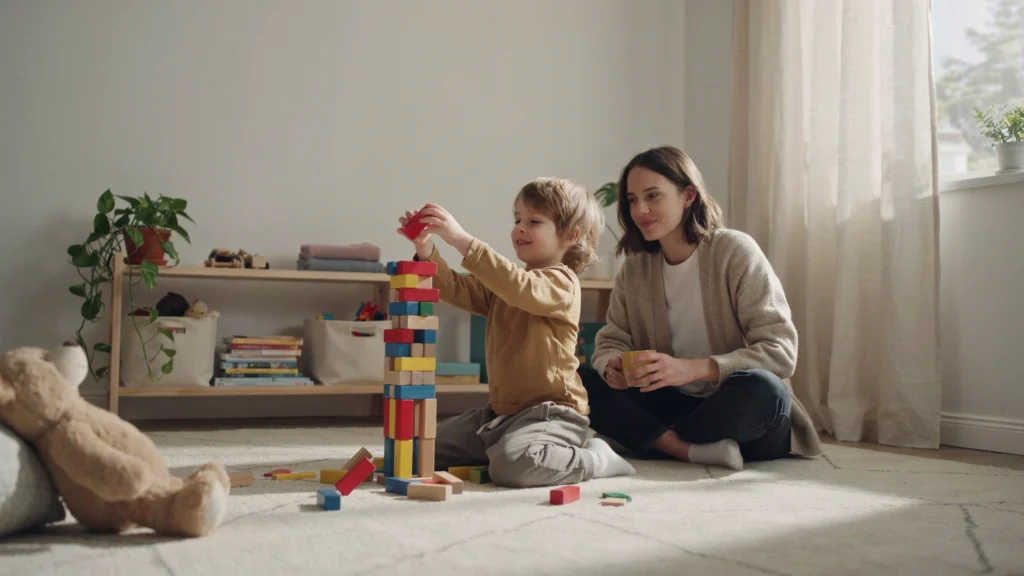

Problem-solving is one of the most valuable life skills a child can develop. Every day, children face situations that require them to think, make decisions, and overcome obstacles. Whether they are building a tower of blocks, resolving a disagreement with a friend, or figuring out how to organize their homework, these everyday challenges provide opportunities to strengthen their ability to solve problems.
Parents don’t need to create special lessons to teach this skill. By guiding children through daily experiences, they can help them become independent, confident, and resilient thinkers.
Why Problem-Solving Skills Matter
Problem-solving is about more than finding the right answer. It teaches children how to think critically, evaluate options, and adapt when things don’t go as planned.
Children with strong problem-solving skills are more likely to:
- Think independently.
- Make thoughtful decisions.
- Handle frustration in healthy ways.
- Build confidence through success and persistence.
- Adapt to new situations with greater ease.
These abilities support academic success and prepare children for real-life challenges.
Let Children Solve Small Problems
As parents, it’s natural to want to step in and fix every difficulty. However, allowing children to solve age-appropriate problems helps them develop confidence in their own abilities.
For example, if your child can’t find a favorite toy, instead of immediately locating it, ask:
- “Where did you last use it?”
- “What places have you already checked?”
- “What could you try next?”
These simple questions encourage logical thinking without taking over the situation.
Encourage Thinking Before Giving Answers
When children ask for help, avoid providing the solution right away.
Instead, respond with questions like:
- “What ideas do you have?”
- “Which solution do you think might work best?”
- “What happened the last time you faced a similar problem?”
- “Can you think of another way to do it?”
This approach teaches children that they already have valuable ideas worth exploring.
Turn Mistakes into Learning Opportunities
Mistakes are an essential part of problem-solving.
If a child spills paint during an art project or knocks over a block tower, avoid criticism. Instead, encourage reflection:
- “What happened?”
- “What can we learn from this?”
- “How could we prevent it next time?”
Children who understand that mistakes are opportunities to learn become more willing to try new things without fear of failure.
Use Everyday Activities to Practice
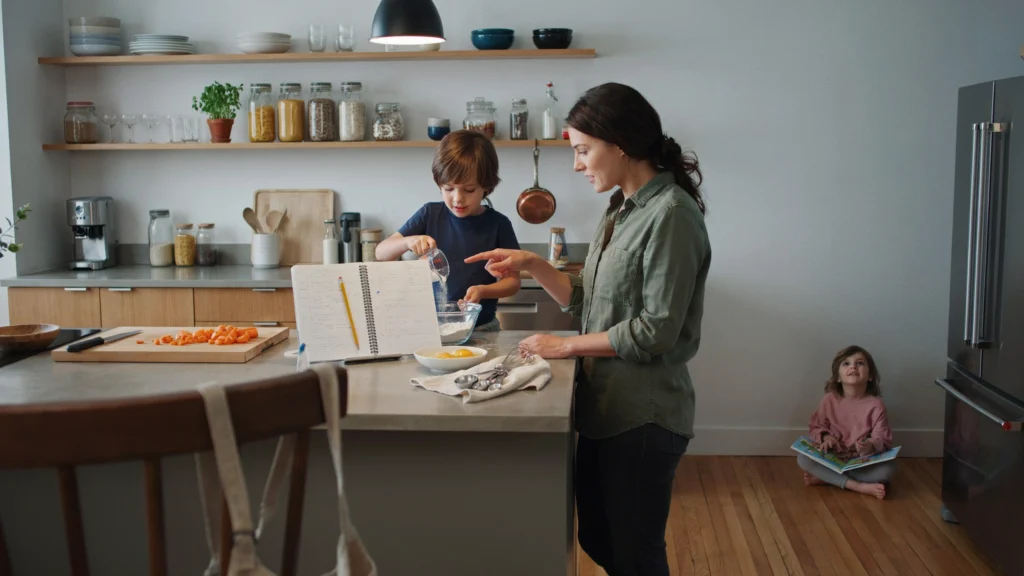
Daily routines naturally present opportunities for problem-solving.
Children can:
- Figure out how to organize their toys.
- Help plan a family meal.
- Decide how to divide snacks fairly.
- Pack everything needed for a day trip.
- Rearrange furniture for a game or activity.
These situations encourage planning, decision-making, and flexibility.
Teach Children to Break Problems into Smaller Steps
Large challenges can feel overwhelming. Helping children divide a problem into smaller tasks makes it easier to manage.
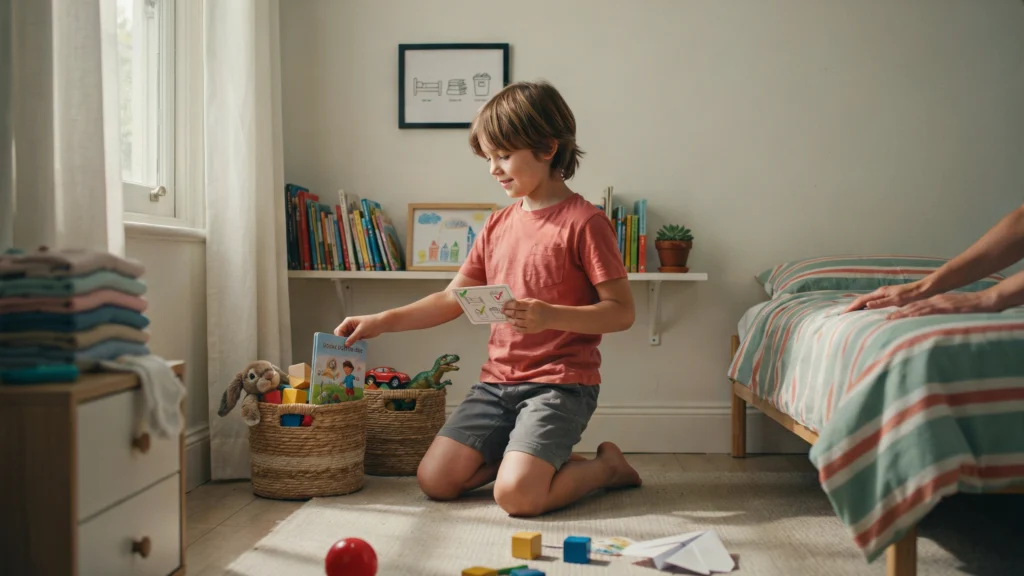
For example, if cleaning a messy bedroom seems impossible, break it into steps:
- Pick up books.
- Put toys away.
- Fold clothes.
- Make the bed.
Completing one step at a time builds momentum and confidence.
Encourage Creative Solutions
Many problems have more than one answer.
Challenge your child to think of several possible solutions before choosing one.
Ask:
- “Can you think of three different ways to solve this?”
- “Which idea is the safest?”
- “Which one might be the fastest?”
- “Which solution would help everyone involved?”
Creative thinking helps children become flexible and adaptable.
Read Stories That Inspire Critical Thinking
Books often present characters who must solve difficult problems.
After reading together, ask questions such as:
- “What problem did the character face?”
- “What choices did they make?”
- “Would you have chosen a different solution?”
- “What happened because of their decision?”
These discussions help children connect stories with real-life situations.
Praise the Process, Not Just the Result
Children benefit most when adults recognize their effort and thinking rather than only successful outcomes.
Instead of saying:
“You got it right!”
Try saying:
- “I like how you kept trying.”
- “You came up with a creative solution.”
- “You didn’t give up even when it was difficult.”
- “You thought carefully before making your decision.”
This type of praise encourages perseverance and confidence.
Raising Confident Problem-Solvers
Every challenge a child faces is an opportunity to grow. Whether solving a puzzle, sharing toys with siblings, or overcoming disappointment, children develop valuable life skills each time they work through a problem.
By offering guidance instead of immediate answers, parents teach children how to think independently, remain calm under pressure, and believe in their ability to find solutions.
The goal isn’t to remove every obstacle from a child’s path—it’s to give them the confidence and skills to overcome those obstacles on their own. Those lessons will serve them well throughout school, relationships, and adulthood.