
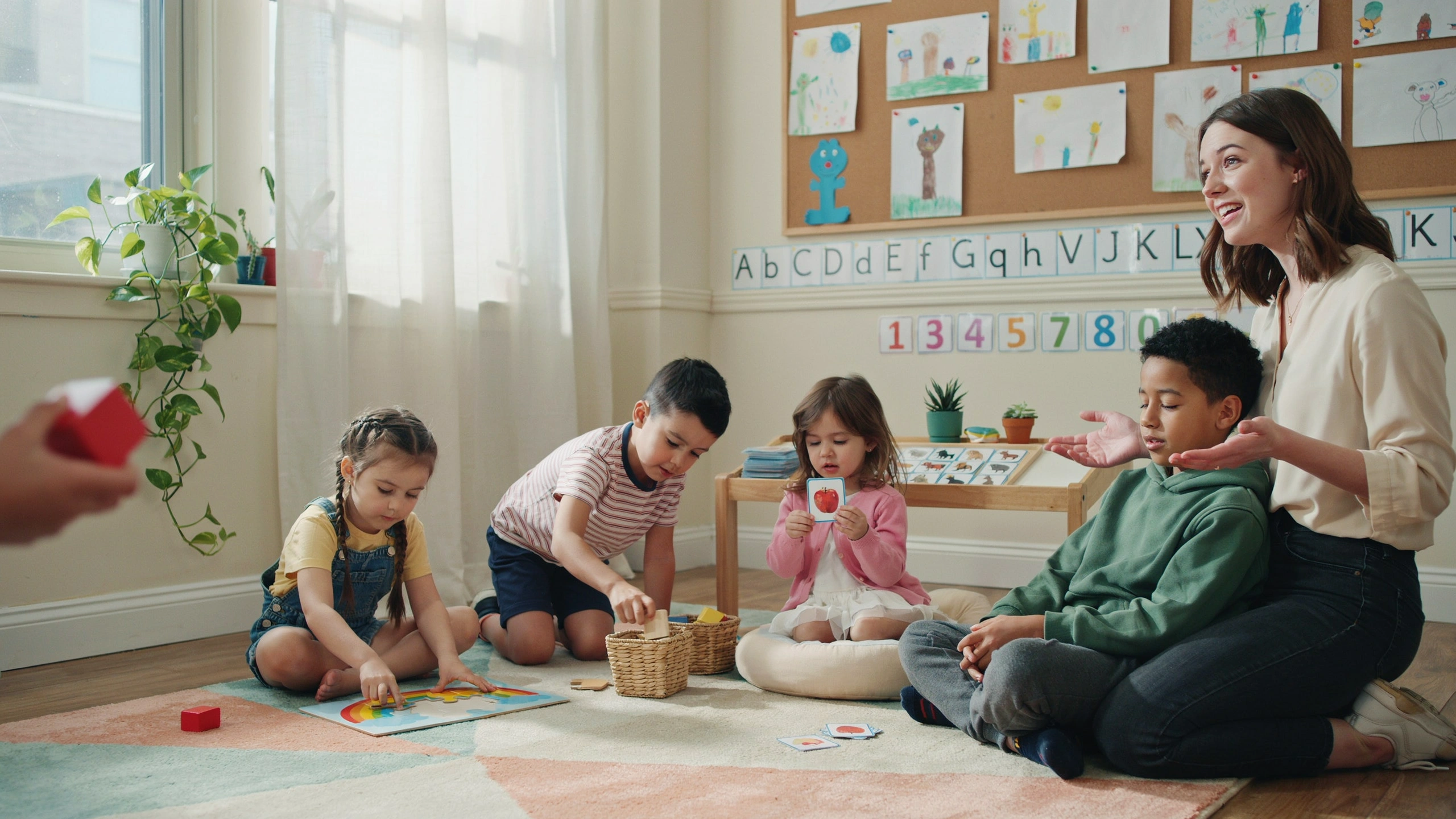
A child’s ability to pay attention is one of the most important skills for successful learning. Whether listening to a story, following instructions, completing a puzzle, or playing with friends, attention helps children process information, solve problems, and develop confidence.
Preschoolers naturally have shorter attention spans than older children, but the good news is that focus can be strengthened through fun, engaging activities. By turning learning into play, parents and teachers can help children improve their concentration while keeping them motivated and excited.
In this article, you’ll discover some of the best attention-building activities for preschoolers that support cognitive development, listening skills, and self-control.
Why Attention Skills Are Important
Attention is the foundation of many other learning abilities. Children who can focus are better able to:
- Follow directions
- Complete tasks independently
- Listen carefully
- Remember new information
- Solve simple problems
- Develop early reading and math skills
- Participate confidently in group activities
Strong attention skills also help children feel more successful, encouraging a positive attitude toward learning.
1. Simon Says
“Simon Says” is one of the most effective games for improving listening and concentration.
Children should only perform an action when the instruction begins with “Simon says.”
For example:
- Simon says touch your head.
- Simon says jump three times.
- Simon says clap your hands.
If the instruction does not include “Simon says,” children should remain still.
Skills Developed:
- Listening attention
- Self-control
- Working memory
- Quick decision-making
2. Puzzle Time
Simple jigsaw puzzles encourage children to focus on shapes, colors, and patterns while solving problems.
Start with puzzles containing 6–12 pieces and gradually increase the difficulty.
Benefits:
- Sustained attention
- Logical thinking
- Patience
- Fine motor skills
3. Follow the Leader
Choose one child to be the leader while others copy every movement.
The leader might:
- Walk slowly
- Hop like a frog
- Spin around
- Tiptoe quietly
- Stretch high
Children must watch carefully to avoid missing any movements.
4. Sorting Games
Provide a collection of objects and ask children to sort them by:
- Color
- Shape
- Size
- Material
- Category
Sorting requires careful observation and encourages children to stay focused until the task is complete.
5. Freeze Dance
Play music while children dance freely.
When the music stops, everyone must freeze immediately.
This exciting activity develops attention, listening, and impulse control.
6. What’s Different?
Place several objects on a table.
Ask children to close their eyes while you change one object, remove an item, or switch positions.
Children identify what has changed.
This game strengthens observation and visual attention.
7. Story Listening Challenge
Read a short story aloud.
Afterward, ask simple questions such as:
- Who was the main character?
- Where did the story take place?
- What happened first?
- How did the story end?
Listening with a purpose improves concentration and comprehension.
8. Build a Block Tower
Challenge children to build the tallest tower possible using blocks or building bricks.
They must concentrate carefully to balance each piece without knocking the tower over.
9. Spot the Difference
Use two similar pictures with small differences.
Children search carefully for changes between the images.
This classic activity strengthens visual discrimination and sustained attention.
10. Color Hunt
Choose a color and ask children to find objects around the room that match it.
For example:
“Can you find five blue objects?”
This activity combines movement with focused observation.
11. Threading Beads
Children carefully place beads onto a string following a specific color or shape pattern.
This activity develops:
- Concentration
- Fine motor control
- Pattern recognition
- Patience
12. Nature Observation Walk
Take a walk outside and encourage children to notice details.
Ask questions like:
- How many birds can you see?
- Can you find something round?
- What flowers are blooming?
- Which leaves are the biggest?
Nature provides endless opportunities to practice careful observation.
13. Copy the Pattern
Arrange colored blocks or objects in a simple pattern.
Children study it for a few seconds before recreating it.
As their skills improve, make the patterns longer and more complex.
14. Memory Tray Game
Place several objects on a tray and allow children one minute to study them.
Cover the tray and ask them to recall as many items as possible.
This activity strengthens both memory and attention.
15. Breathing and Focus Exercises
Simple breathing activities help preschoolers calm their minds before learning.
Try this exercise:
- Breathe in slowly for four seconds.
- Hold for two seconds.
- Breathe out slowly for four seconds.
Even one minute of mindful breathing can improve attention.
Tips for Helping Preschoolers Stay Focused
Children develop attention gradually, so it’s important to keep activities enjoyable and age-appropriate.
Helpful strategies include:
- Keep activities between 10 and 15 minutes.
- Reduce background distractions.
- Give one instruction at a time.
- Praise effort instead of perfection.
- Include movement breaks.
- Follow a consistent daily routine.
- Rotate activities to maintain interest.
Small improvements each day can lead to lasting gains in concentration.
Final Thoughts
Attention is a skill that grows with practice. Through playful activities like puzzles, sorting games, storytelling, and movement challenges, preschoolers learn to focus, listen carefully, and complete tasks with greater confidence.
The best attention-building activities are those that feel like play rather than work. By spending just a few minutes each day on these engaging exercises, parents and teachers can help children build the concentration skills they need for lifelong learning and success.