
Introduction
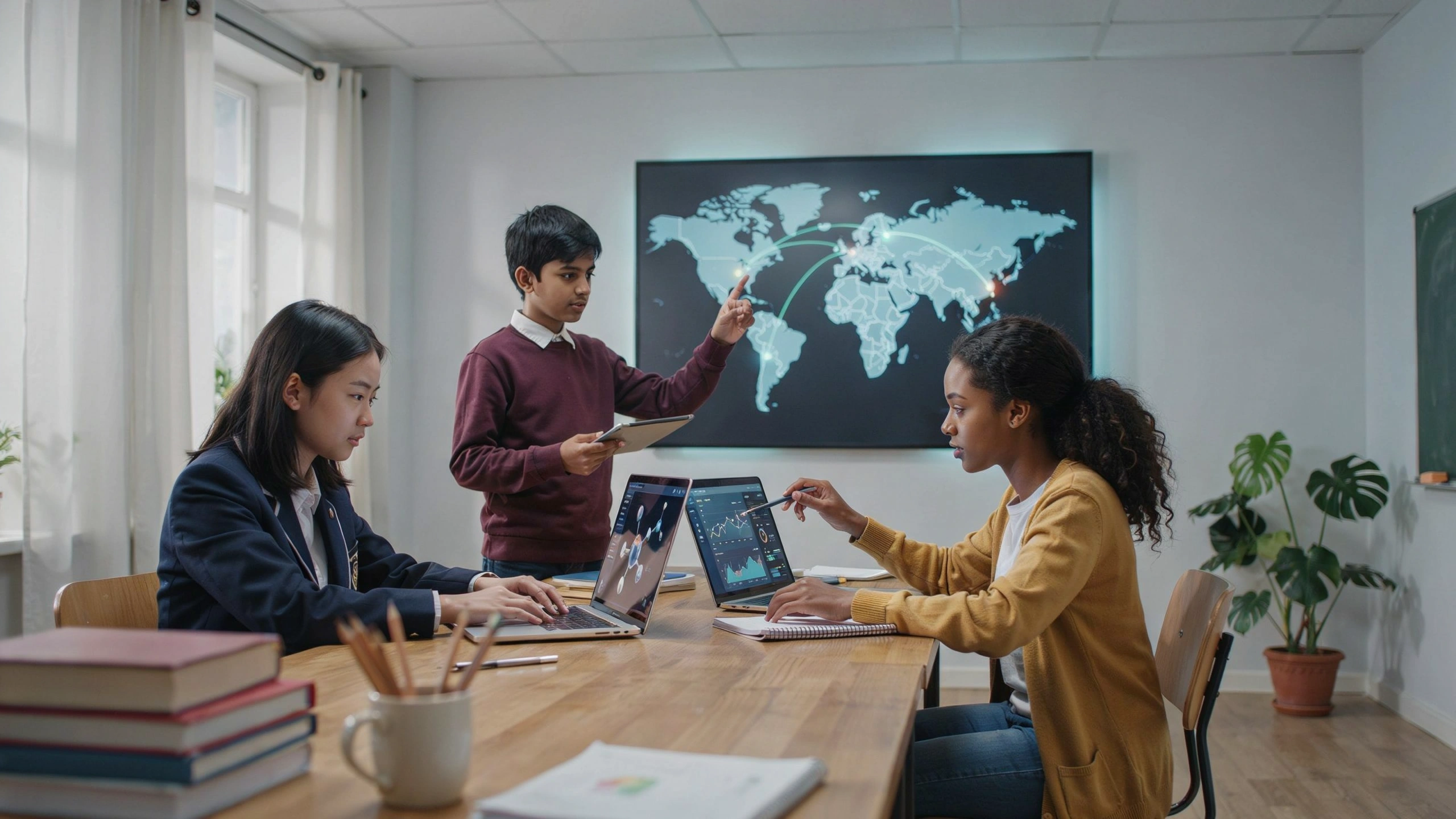
The 21st century has transformed the way people learn, communicate, and work. Modern technology allows students to collaborate with classmates, teachers, and experts from around the world without leaving their classrooms. As globalization continues to shape education and the workplace, international collaboration projects have become valuable learning experiences that prepare students for success in an interconnected world.
International collaboration projects bring together learners from different countries to work toward shared goals. Whether students are conducting scientific research, discussing literature, solving environmental problems, or exploring cultural traditions, these projects help them develop essential academic, social, and professional skills.
More than simply completing assignments, students learn how to communicate across cultures, appreciate diverse perspectives, and work effectively as members of global teams. These experiences prepare them not only for future careers but also for responsible global citizenship.
What Are International Collaboration Projects?
International collaboration projects are structured learning experiences in which students from different countries work together on common educational objectives. Communication may take place through video conferences, shared digital platforms, emails, collaborative documents, discussion forums, or educational applications.
Projects can vary in length, from a single virtual meeting to partnerships lasting an entire school year. Regardless of the format, the goal remains the same: to encourage meaningful interaction, shared learning, and mutual understanding.
Examples include:
- Joint science investigations
- International reading clubs
- Cultural exchange presentations
- Environmental conservation campaigns
- Mathematics challenges
- Robotics competitions
- Art and music collaborations
- Community service initiatives
These projects transform learning into an authentic global experience.
Why International Collaboration Matters
It Develops Global Awareness
Working directly with students from other countries helps children understand different cultures, educational systems, traditions, and perspectives. Rather than relying on textbooks alone, students gain firsthand knowledge through authentic conversations.
It Improves Communication Skills
International collaboration requires students to express ideas clearly, ask thoughtful questions, listen actively, and adapt their communication styles to diverse audiences.
These communication skills become increasingly valuable throughout higher education and future careers.
It Strengthens Teamwork
Students learn how to divide responsibilities, solve disagreements respectfully, and achieve common goals despite differences in language, culture, or location.
Collaboration teaches that diversity often leads to stronger ideas and more creative solutions.
It Encourages Critical Thinking
Global projects frequently address real-world challenges that have no single correct answer.
Students learn to:
- Analyze information.
- Compare perspectives.
- Evaluate evidence.
- Develop creative solutions.
- Reflect on the effectiveness of their decisions.
These experiences promote deeper learning than traditional classroom activities.
Building Cultural Competence
One of the greatest strengths of international collaboration is the development of cultural competence.
Students begin to understand:
- Different communication styles.
- Cultural traditions.
- Educational practices.
- Daily life in other countries.
- Shared values across cultures.
As students recognize both similarities and differences, they develop greater respect, empathy, and openness toward others.
Supporting Language Development
International collaboration naturally strengthens language skills.
Students improve:
- Speaking confidence.
- Listening comprehension.
- Reading authentic materials.
- Writing for real audiences.
- Vocabulary development.
- Intercultural communication.
For many learners, communicating with international peers provides meaningful motivation to practice foreign languages.
Integrating Collaboration Across Subjects
International projects can enrich every area of the curriculum.
Science
Students compare local ecosystems, investigate renewable energy, monitor weather patterns, or analyze biodiversity together.
Mathematics
Learners examine international statistics, solve collaborative mathematical challenges, or compare economic and demographic data.
Language Arts
Students exchange book reviews, write collaborative stories, or discuss literature representing different cultures.
Social Studies
Classes investigate world history, geography, cultural traditions, and international organizations through shared research.
Arts
Students create collaborative digital galleries, music performances, photography exhibitions, or cultural art projects.
Technology as the Foundation
Technology enables successful international partnerships through tools such as:
- Video conferencing platforms.
- Shared online documents.
- Collaborative presentation software.
- Digital whiteboards.
- Learning management systems.
- Educational discussion forums.
- Interactive mapping tools.
Technology removes geographical barriers while creating opportunities for continuous collaboration.
The Teacher’s Role
Teachers are essential facilitators of successful international projects.
Their responsibilities include:
- Identifying partner schools.
- Designing meaningful learning activities.
- Establishing clear objectives.
- Supporting respectful communication.
- Monitoring collaboration.
- Encouraging student reflection.
Teachers also help students appreciate cultural differences while maintaining inclusive learning environments.
The Role of Students
Students become active participants rather than passive learners.
Successful participants demonstrate:
- Curiosity.
- Respect.
- Responsibility.
- Flexibility.
- Initiative.
- Cooperation.
- Open-mindedness.
These personal qualities contribute significantly to successful collaboration.
Involving Families
Parents strengthen international learning by:
- Encouraging participation.
- Discussing cultural discoveries.
- Supporting online communication.
- Celebrating international friendships.
- Promoting curiosity about different countries.
Family involvement increases student motivation and confidence.
Overcoming Common Challenges
International collaboration may involve:
- Time zone differences.
- Language barriers.
- Internet connectivity issues.
- Cultural misunderstandings.
- Different school calendars.
These challenges become valuable learning opportunities that teach flexibility, patience, planning, and effective communication.
Assessing Collaborative Learning
Teachers can evaluate international projects through:
- Group presentations.
- Digital portfolios.
- Reflective journals.
- Peer assessments.
- Research reports.
- Multimedia projects.
- Collaborative problem-solving tasks.
Assessment should recognize both academic achievement and collaboration skills.
Long-Term Benefits
Students who participate in international collaboration projects often become adults who:
- Communicate confidently across cultures.
- Work effectively in diverse teams.
- Adapt quickly to changing environments.
- Think critically about global issues.
- Value lifelong learning.
- Build international professional networks.
- Demonstrate strong leadership and cooperation.
These qualities are highly valued in universities and modern workplaces.
Preparing Students for the Future
The future workforce will increasingly require employees who can collaborate with colleagues across continents using digital technologies.
International collaboration projects prepare students for careers in fields such as:
- Business
- Engineering
- Healthcare
- Science
- Technology
- Education
- Diplomacy
- Environmental management
- International development
The skills developed during these projects remain valuable throughout life.
Conclusion
International collaboration projects are among the most powerful tools in global education. They transform classrooms into communities of international learners where students develop academic knowledge alongside communication, teamwork, cultural understanding, and problem-solving skills.
By working with peers from different countries, children discover that diversity is a source of strength and innovation. They learn to appreciate different perspectives while recognizing the shared values that unite humanity.
As technology continues to connect schools around the world, international collaboration will become an increasingly important part of education. These experiences prepare students not only to succeed in a global economy but also to become compassionate, responsible, and engaged citizens who are ready to contribute to a more peaceful, cooperative, and interconnected world.