Introduction
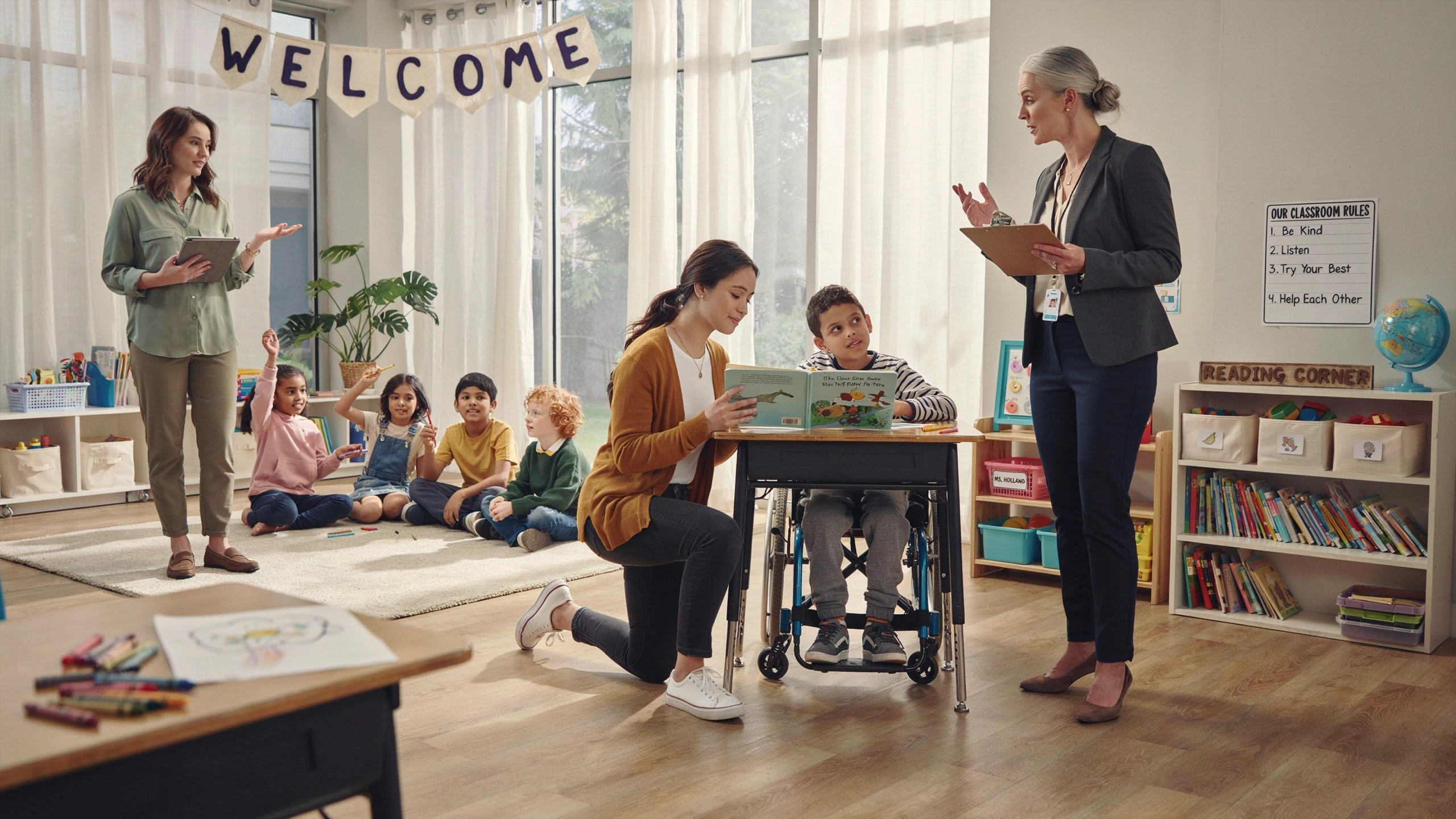
The classrooms of the twenty-first century are more diverse than ever before. Students come from a wide range of cultural, linguistic, socioeconomic, and educational backgrounds, and they bring unique strengths, abilities, and learning needs to school. To meet these diverse needs, future educators must be prepared to create inclusive classrooms where every student feels valued, respected, and capable of success.
Preparing teachers for inclusive education is not simply about learning instructional techniques. It involves developing the knowledge, skills, attitudes, and professional values necessary to teach all learners effectively. Teacher preparation programs play a crucial role in ensuring that new educators enter the profession ready to build equitable, supportive, and engaging learning environments.
What Is Inclusive Teaching?
Inclusive teaching is an educational approach that ensures every student has equal opportunities to participate, learn, and achieve regardless of their:
- Abilities.
- Learning styles.
- Cultural backgrounds.
- Languages.
- Socioeconomic status.
- Gender.
- Personal experiences.
Rather than expecting students to adapt to a single teaching method, inclusive educators design flexible learning experiences that accommodate diverse needs while maintaining high expectations for everyone.
Why Teacher Preparation Matters
Teachers are among the most influential factors in student success. Their beliefs, instructional practices, and relationships with students shape classroom experiences every day.
Well-prepared teachers are more likely to:
- Create welcoming classroom environments.
- Differentiate instruction effectively.
- Support diverse learners.
- Build strong relationships with families.
- Promote equity and belonging.
- Encourage collaboration among students.
Quality teacher preparation leads to more inclusive schools and improved student outcomes.
1. Develop an Inclusive Mindset
Inclusive teaching begins with attitudes and beliefs.
Teacher preparation programs should encourage future educators to:
- Value diversity as a strength.
- Believe that every student can learn.
- Maintain high expectations for all learners.
- Recognize individual differences.
- Reflect on personal assumptions and biases.
A positive mindset forms the foundation of inclusive practice.
2. Learn About Diverse Learners
Future teachers need a strong understanding of learner diversity.
Preparation programs should include knowledge about:
- Students with disabilities.
- English Language Learners.
- Gifted students.
- Students from different cultural backgrounds.
- Learners with varying social and emotional needs.
- Students experiencing economic disadvantage.
Understanding diversity enables teachers to plan more responsive instruction.
3. Master Differentiated Instruction
Future educators should learn how to adapt teaching to meet different learning needs.
Essential strategies include:
- Flexible grouping.
- Multiple instructional methods.
- Scaffolded learning.
- Choice-based assignments.
- Varied assessment methods.
- Flexible pacing.
Differentiation ensures that every student has meaningful access to learning.
4. Understand Universal Design for Learning (UDL)
Teacher education should introduce the principles of Universal Design for Learning.
Future teachers should learn how to:
- Provide multiple ways of presenting information.
- Offer different methods for student participation.
- Allow various ways for students to demonstrate learning.
- Reduce barriers before they arise.
UDL supports accessibility for all learners.
5. Build Strong Classroom Management Skills
Inclusive classrooms require positive and supportive classroom management.
Future teachers should practice:
- Establishing clear expectations.
- Building respectful relationships.
- Encouraging student responsibility.
- Managing behavior proactively.
- Creating emotionally safe learning environments.
Positive classroom management promotes participation and belonging.
6. Integrate Educational Technology
Technology can increase accessibility and engagement.
Teacher preparation should include experience with:
- Assistive technology.
- Learning management systems.
- Interactive educational applications.
- Digital collaboration tools.
- Multimedia learning resources.
- Online assessment platforms.
Technology expands opportunities for inclusive teaching.
7. Collaborate with Families and Professionals
Inclusive education depends on teamwork.
Future educators should learn how to collaborate with:
- Families.
- Special education teachers.
- School counselors.
- Speech and language therapists.
- Occupational therapists.
- School administrators.
- Community organizations.
Collaboration provides comprehensive support for students.
8. Develop Cultural Competence
Teachers should understand and respect the cultural backgrounds of their students.
Preparation programs can help future educators:
- Explore cultural diversity.
- Recognize the impact of culture on learning.
- Communicate respectfully with diverse families.
- Incorporate multicultural perspectives into lessons.
- Create culturally responsive classrooms.
Cultural competence strengthens inclusion and equity.
9. Engage in Reflective Practice
Excellent teachers continually evaluate and improve their practice.
Future educators should develop habits of reflection by asking:
- Did all students participate?
- Which teaching strategies were most effective?
- What barriers still exist?
- How can I improve my lessons?
- What additional learning do I need?
Reflection promotes lifelong professional growth.
10. Gain Practical Classroom Experience
Theory alone is not enough to prepare teachers for inclusive classrooms.
Teacher preparation programs should provide:
- Classroom observations.
- Student teaching placements.
- Mentorship from experienced educators.
- Opportunities to teach diverse learners.
- Guided reflection on classroom experiences.
Practical experience builds confidence and professional competence.
Challenges Facing New Teachers
Beginning teachers may encounter challenges such as:
- Managing diverse classrooms.
- Limited classroom resources.
- Time constraints.
- Balancing curriculum demands.
- Addressing individual learning needs.
- Building confidence during the early years of teaching.
Strong mentoring and continuous professional development help new educators overcome these challenges.
The Importance of Lifelong Learning
Education continues to evolve, and teachers must continue learning throughout their careers.
Professional growth may include:
- Attending workshops and conferences.
- Reading current educational research.
- Participating in professional learning communities.
- Collaborating with colleagues.
- Exploring new technologies.
- Reflecting on classroom experiences.
Lifelong learning enables teachers to remain effective and responsive.
Benefits of Well-Prepared Inclusive Educators
Teachers who are well prepared for inclusive education contribute to:
- Higher student achievement.
- Greater classroom participation.
- Stronger student confidence.
- Improved family partnerships.
- Positive school culture.
- Increased equity and accessibility.
- Better educational outcomes for all learners.
Their influence extends beyond academics, helping students develop the skills and attitudes needed to thrive in diverse communities.
Conclusion
Preparing future educators to lead inclusive classrooms is one of the most important investments a society can make. Inclusive teaching requires more than subject knowledge—it demands empathy, flexibility, collaboration, cultural competence, and a commitment to equity.
By equipping future teachers with the knowledge, practical experience, and professional mindset needed to support diverse learners, teacher preparation programs lay the foundation for more inclusive schools. As these educators enter the profession, they become leaders who inspire every student to learn, participate, and succeed. Ultimately, the future of inclusive education depends on teachers who believe that diversity is a strength, every learner has potential, and every classroom should be a place where all students belong.