
Introduction
In today’s fast-paced world, students are surrounded by an endless stream of information. With shorter attention spans, busy schedules, and the increasing use of digital devices, traditional long lectures are no longer the only effective way to teach. As a result, microlearning has emerged as one of the fastest-growing trends in education.
Microlearning delivers educational content in small, focused lessons that typically last between three and ten minutes. Each lesson targets a single concept or skill, making learning more manageable, engaging, and easier to remember. From schools and universities to corporate training programs, microlearning is transforming how people acquire knowledge.
What Is Microlearning?
Microlearning is an instructional approach that breaks complex topics into small, bite-sized learning units. Instead of studying an entire chapter at once, students focus on one learning objective before moving to the next.
Microlearning can take many forms, including:
- Short educational videos.
- Interactive quizzes.
- Infographics.
- Flashcards.
- Podcasts.
- Mini-games.
- Mobile learning apps.
- Short reading activities.
Each learning activity is designed to be completed quickly while reinforcing a specific concept.
Why Microlearning Is Becoming Popular
Several factors have contributed to the growing popularity of microlearning.
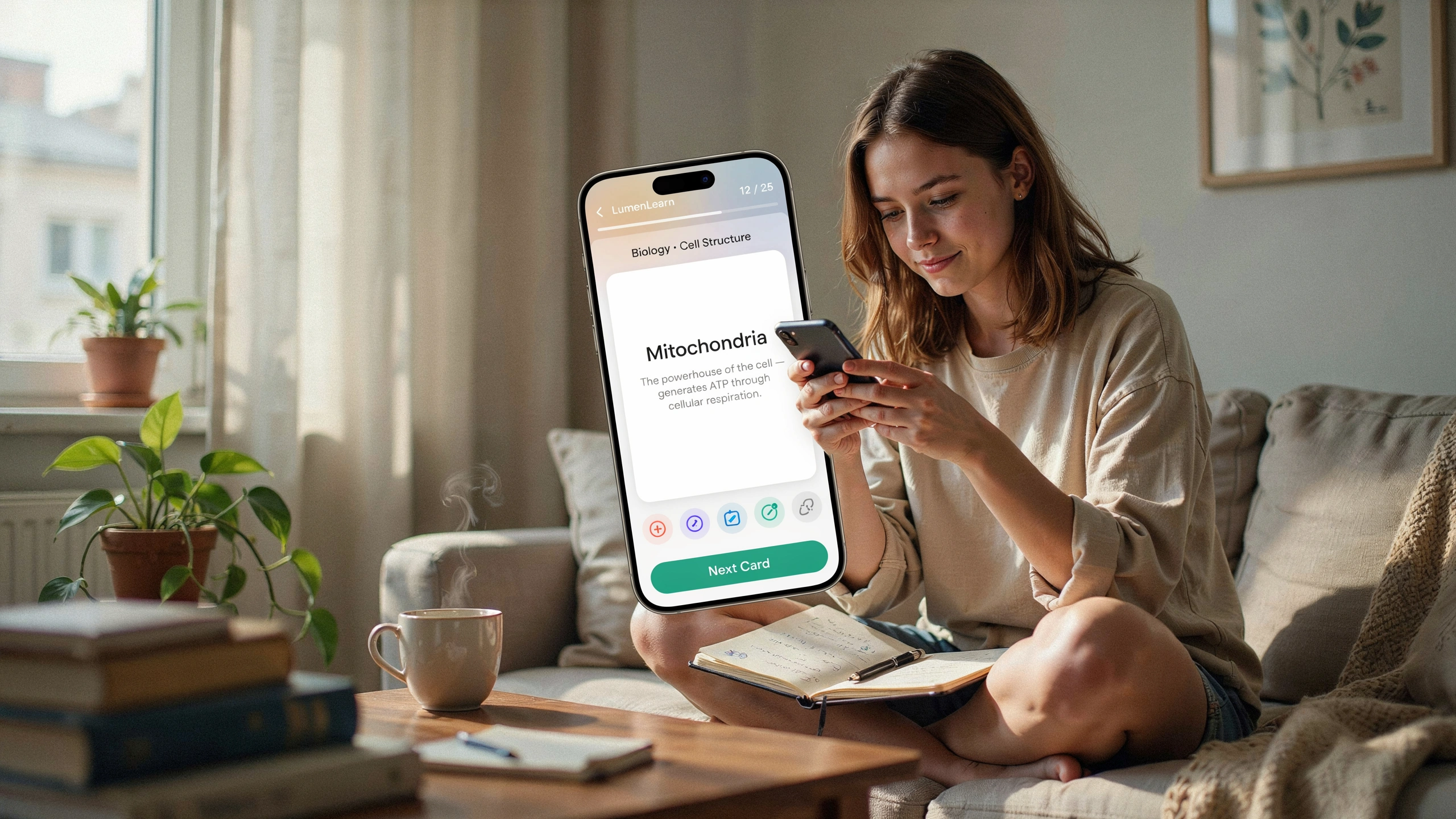
First, today’s students often learn using smartphones and tablets, making short lessons more convenient than lengthy classroom sessions.
Second, research suggests that learning in smaller chunks improves attention and reduces cognitive overload, allowing students to process information more effectively.
Finally, microlearning fits easily into busy daily routines, making continuous learning more accessible.
Improved Knowledge Retention
One of the greatest advantages of microlearning is that it helps students remember information for longer periods.
When lessons are short and focused, learners can concentrate on one idea at a time without becoming overwhelmed.
Frequent review through brief practice sessions strengthens long-term memory and helps students transfer knowledge into practical skills.
This approach aligns well with spaced repetition, a learning technique that reinforces information over time.
Increased Student Engagement
Traditional lectures can sometimes lead to reduced attention and motivation, especially when they last for extended periods.
Microlearning keeps students actively involved by offering:
- Interactive activities.
- Immediate feedback.
- Visual learning materials.
- Short challenges.
- Gamified experiences.
Completing small learning tasks provides students with a sense of achievement, encouraging them to continue learning.
Flexible Learning Anytime and Anywhere
One of the biggest strengths of microlearning is flexibility.
Students can complete lessons:
- At home.
- On the bus.
- During study breaks.
- Before class.
- After school.
- While traveling.
Because lessons are accessible through mobile devices and online platforms, learning becomes available whenever students have a few free minutes.
Supporting Personalized Learning
Microlearning works well alongside personalized education.
Students who need additional practice can review specific lessons multiple times, while advanced learners can move more quickly through familiar material.
Adaptive learning platforms can recommend personalized micro-lessons based on individual progress, helping every learner receive targeted support.
The Role of Technology
Technology plays a major role in the success of microlearning.
Educational platforms use Artificial Intelligence to recommend appropriate lessons, track student progress, and provide instant feedback.
Many schools also use:
- Learning management systems.
- Mobile learning applications.
- Interactive video platforms.
- Digital flashcards.
- Educational games.
- AI-powered tutoring systems.
These tools make learning more engaging while providing valuable data for teachers.
Applications Across Different Subjects
Microlearning can be applied to almost every academic discipline.
Mathematics
Students practice one mathematical concept at a time through short exercises and interactive examples.
Science
Brief videos explain scientific processes, followed by quick quizzes that reinforce understanding.
Languages
Daily vocabulary practice, pronunciation exercises, and grammar activities help students build language skills consistently.
History
Short lessons introduce important historical events, people, or timelines, making large topics easier to understand.
Professional Development
Teachers and professionals also benefit from microlearning by completing short training sessions that fit into busy schedules.
Challenges of Microlearning
Although microlearning offers many benefits, it also has limitations.
Limited Depth
Complex topics often require extended discussion, analysis, and hands-on practice that cannot always be achieved through short lessons alone.
Content Design
Creating effective microlearning materials requires careful planning to ensure each lesson has a clear objective and meaningful learning outcome.
Maintaining Learning Connections
Teachers must help students connect individual micro-lessons into a broader understanding of the subject.
For this reason, microlearning should complement—not completely replace—traditional teaching methods.
The Future of Microlearning
As technology continues to advance, microlearning will become even more personalized and interactive.
Future developments may include:
- AI-generated personalized lesson sequences.
- Virtual Reality micro-learning experiences.
- Voice-assisted learning through smart devices.
- Wearable technology that delivers learning throughout the day.
- Real-time learning recommendations based on student performance.
These innovations will make education even more accessible and responsive to individual learning needs.
Conclusion
Microlearning is changing the way students learn by making education more flexible, engaging, and effective. Through short, focused lessons, learners can absorb information more efficiently, maintain motivation, and review concepts whenever they need additional practice.
While it cannot replace every aspect of traditional education, microlearning is a valuable tool that complements classroom instruction and supports lifelong learning. As schools continue to embrace digital innovation, microlearning will play an increasingly important role in creating personalized and accessible learning experiences for students of all ages.
By combining concise content, modern technology, and learner-centered design, microlearning is helping shape the future of education—one small lesson at a time.