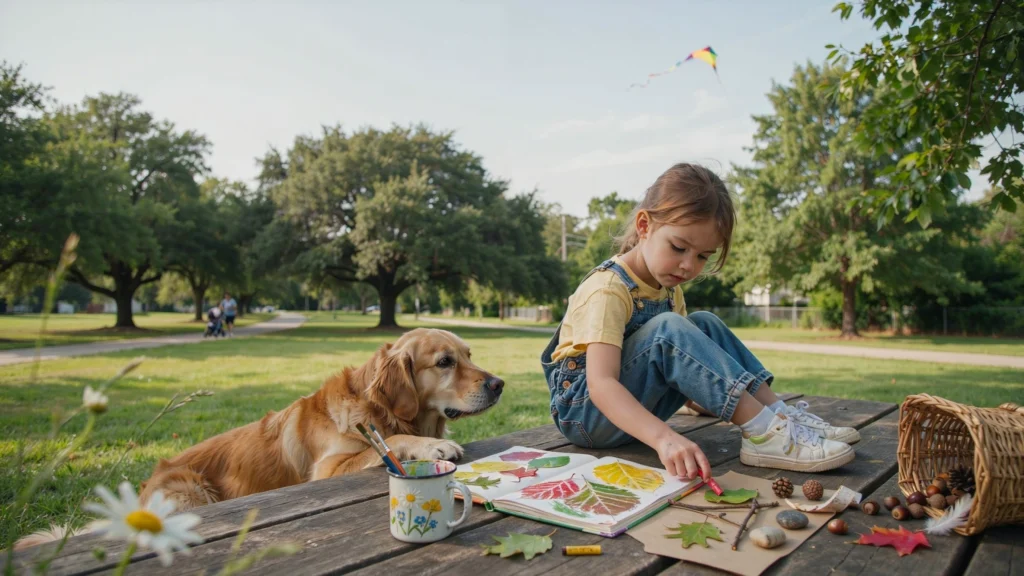
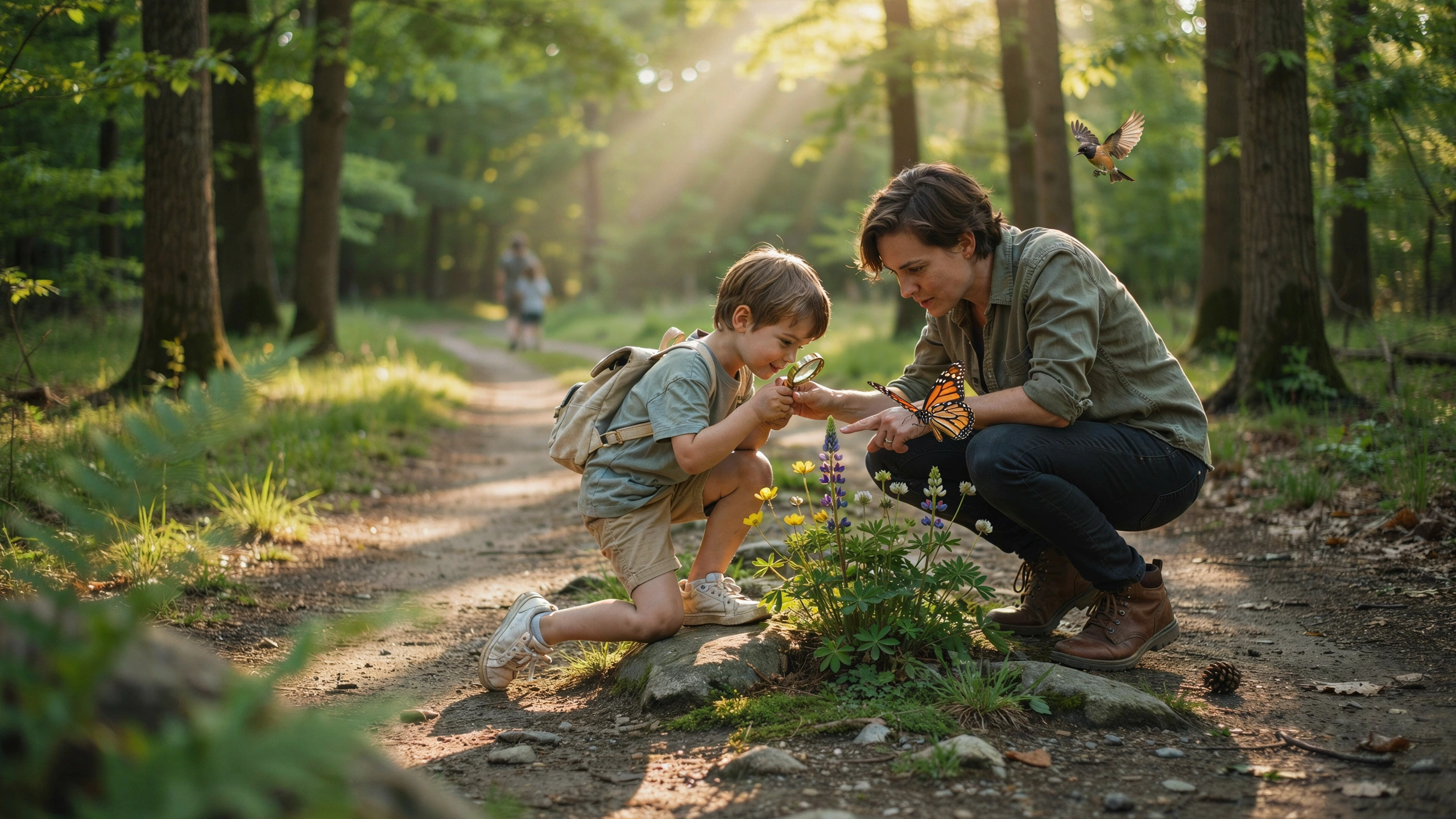
A simple walk through a park, forest, beach, or neighborhood can become an unforgettable learning adventure for a child. Nature walks encourage children to slow down, observe the world carefully, and ask questions about the environment around them. Every leaf, flower, bird, or cloud offers an opportunity to discover something new.
Unlike structured classroom lessons, nature walks allow children to learn through exploration and firsthand experiences. They develop important academic skills while also encouraging creativity, curiosity, and a lifelong appreciation for the natural world.
Why Nature Walks Are Valuable
Nature provides endless opportunities for learning without children even realizing they are being taught.
Regular nature walks help children:
- Strengthen observation skills.
- Improve concentration.
- Develop scientific thinking.
- Encourage creativity and imagination.
- Build physical fitness.
- Reduce stress and improve emotional well-being.
Every outing becomes a chance to explore, discover, and connect with the environment.
Encourage Careful Observation
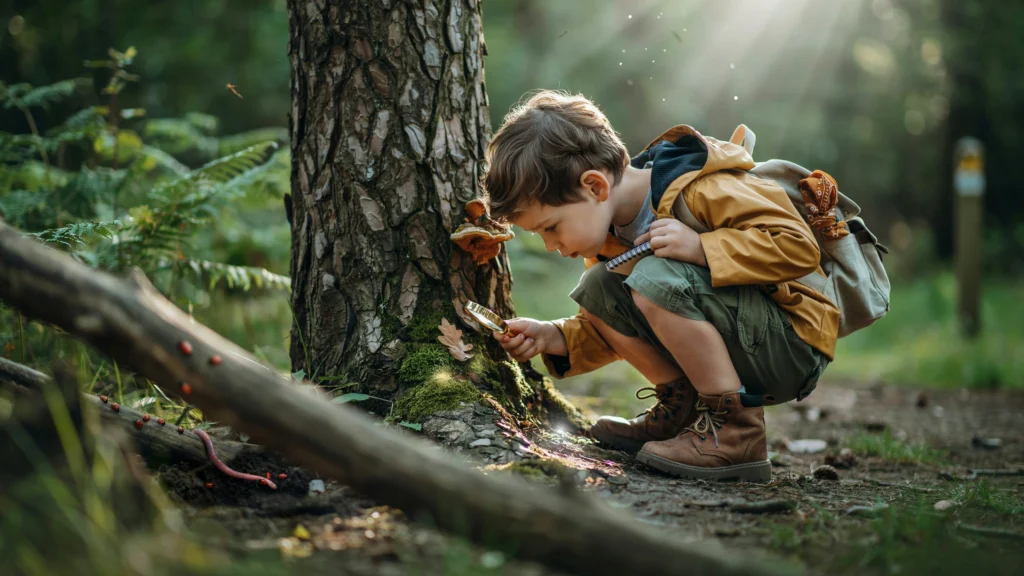
Teach children to become “nature detectives.”
Invite them to notice:
- Different shapes of leaves.
- Patterns on tree bark.
- Birds flying overhead.
- Tiny insects on flowers.
- Animal footprints.
- Clouds moving across the sky.
Ask questions such as:
- What do you notice?
- What has changed since last time?
- Which colors can you find?
- What surprised you today?
Observation is the first step toward scientific discovery.
Turn Questions into Adventures
Nature naturally inspires curiosity.
Children may ask:
- Why do birds sing?
- How do butterflies find flowers?
- Why do some trees stay green all year?
- Where do squirrels hide their food?
Instead of answering immediately, encourage children to make predictions and search for answers together through books, field guides, or future observations.
Create a Nature Journal
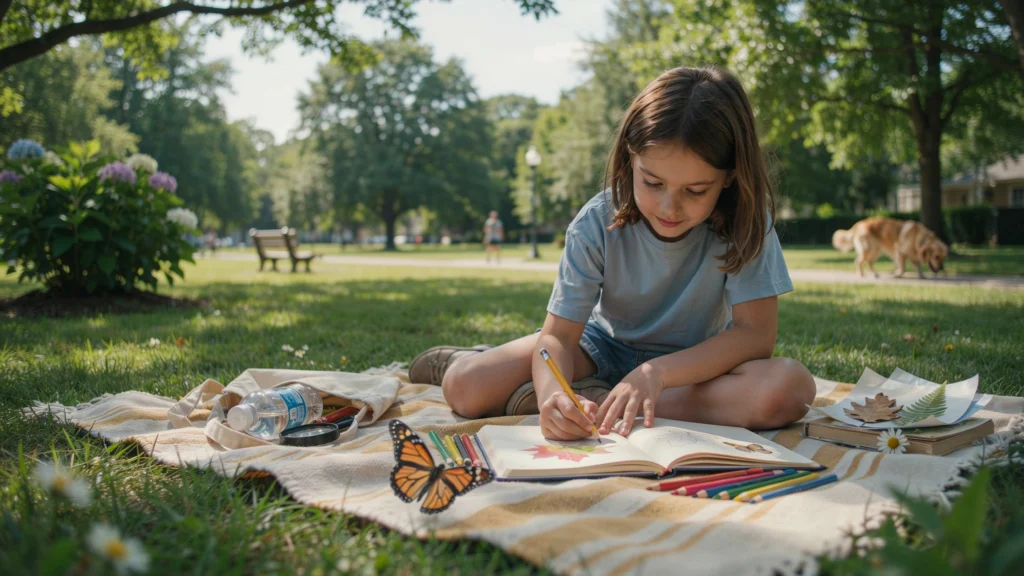
A nature journal helps children record their discoveries.
They can:
- Draw plants and animals.
- Press leaves or flowers.
- Record weather conditions.
- Write observations.
- Sketch landscapes.
- Collect interesting questions to research later.
Keeping a journal strengthens writing, drawing, and scientific observation skills.
Explore with All Five Senses
Encourage children to experience nature using more than just their eyes.
Ask them to notice:
- The sound of birds singing.
- The smell of fresh flowers or pine trees.
- The texture of tree bark.
- The warmth of sunlight.
- The cool breeze on their skin.
Using multiple senses creates richer learning experiences and lasting memories.
Inspire Creative Thinking
Nature provides endless inspiration for creative activities.
After a walk, children can:
- Paint a landscape.
- Write a short story about an animal they observed.
- Build nature sculptures using sticks and stones.
- Compose a poem about the changing seasons.
- Create leaf rubbings or nature collages.
These activities combine imagination with real-world experiences.
Learn Basic Science Naturally
Nature walks introduce many scientific concepts, including:
- Plant life cycles.
- Animal habitats.
- Weather changes.
- Ecosystems.
- Pollination.
- Seasonal changes.
Children learn these ideas more deeply when they observe them firsthand rather than simply reading about them.
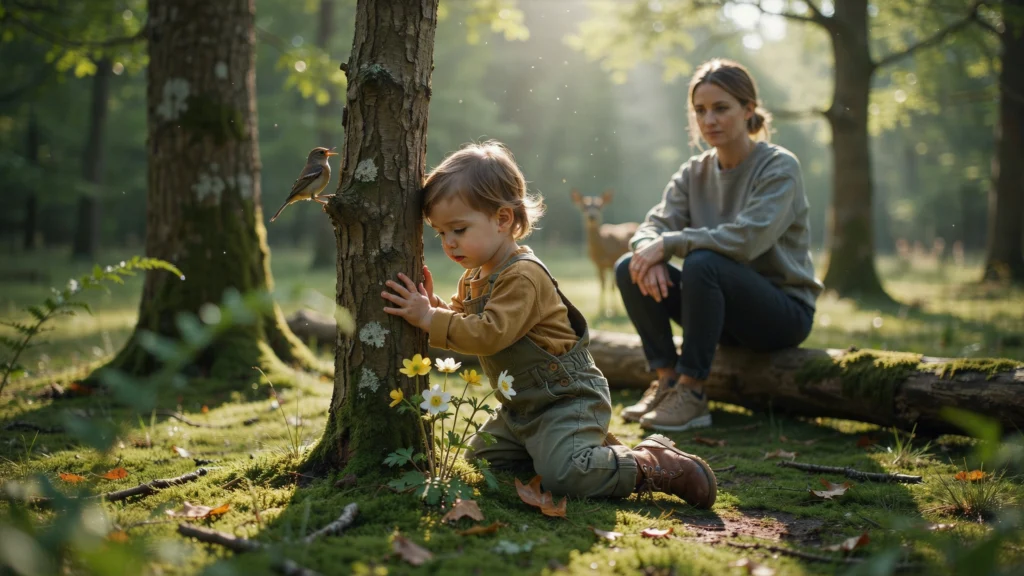
Encourage Respect for the Environment
Nature walks are an excellent opportunity to teach environmental responsibility.
Encourage children to:
- Stay on marked paths.
- Leave flowers and plants undamaged.
- Observe animals without disturbing them.
- Pick up litter when safe.
- Respect wildlife and natural habitats.
These habits help children become thoughtful caretakers of the planet.
Make Every Walk Different
No two nature walks need to be the same.
One day you might focus on:
- Birds.
- Wildflowers.
- Trees.
- Insects.
- Clouds.
- Rocks.
Changing the theme keeps each adventure fresh and exciting.
Learning That Lasts a Lifetime
Nature has been one of humanity’s greatest teachers for generations. Every walk offers children new opportunities to ask questions, observe carefully, think creatively, and appreciate the beauty of the world around them.
By making nature walks a regular family activity, parents encourage curiosity, patience, environmental awareness, and a genuine love of learning. These simple adventures help children understand that education is not limited to classrooms—it is all around them, waiting to be discovered.
Sometimes, the most memorable lessons are found not in books, but along a quiet trail where every step reveals something new.