
Introduction
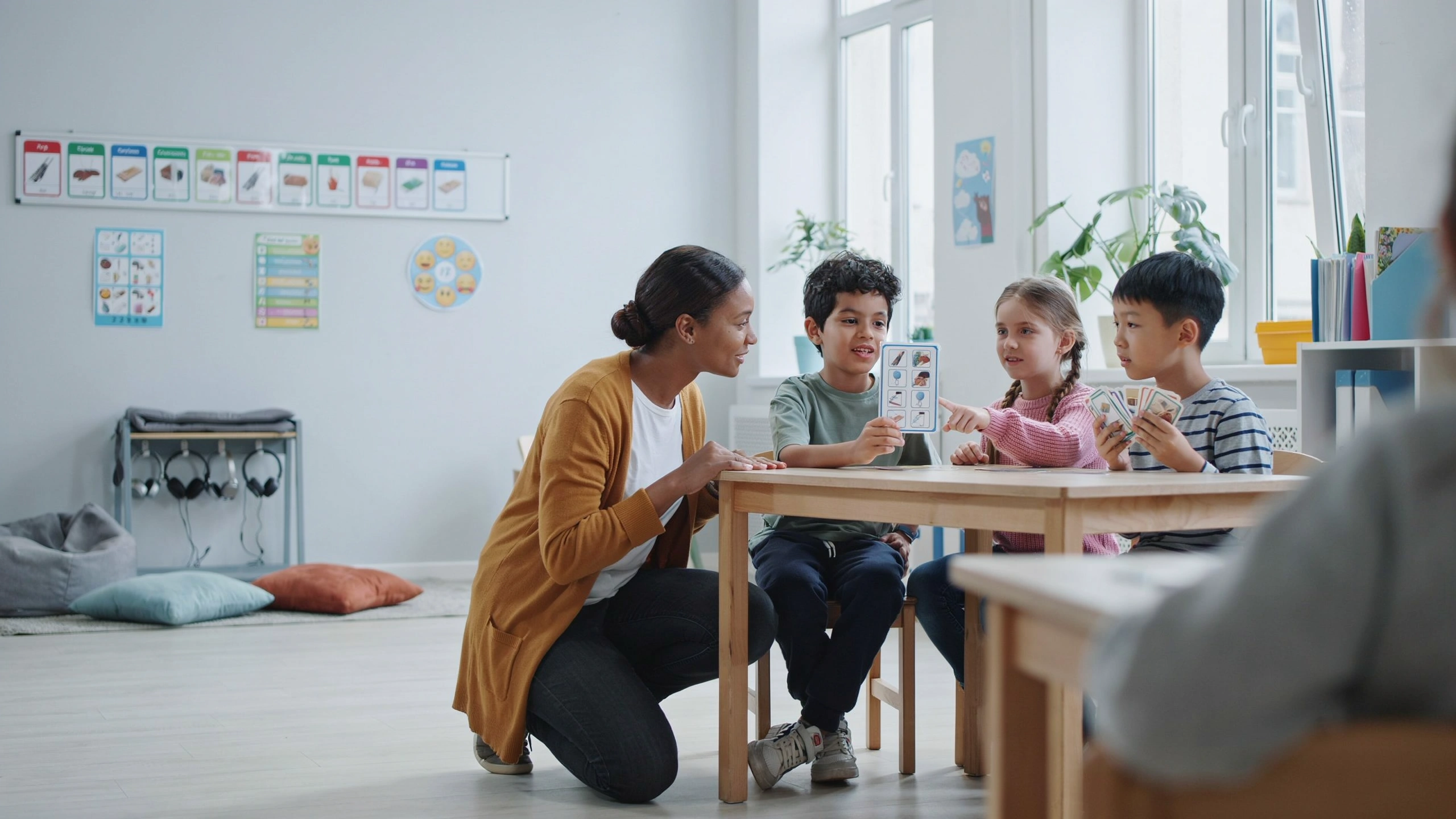
Inclusive education aims to ensure that all students, including those with Autism Spectrum Disorder (ASD), have access to meaningful learning opportunities in supportive environments. An inclusive classroom is not simply a place where autistic students attend lessons; it is a learning community where differences are respected, strengths are recognized, and every student has the opportunity to participate.
Creating an inclusive classroom requires thoughtful planning, flexible teaching strategies, collaboration, and a commitment to understanding the unique needs of autistic learners. When schools embrace inclusion, they benefit not only students with autism but the entire classroom community.
1. Understanding Inclusive Education in Autism
Inclusive education means educating students with diverse abilities together whenever possible while providing the necessary support.
For students with autism, inclusion involves:
- Access to the general curriculum.
- Appropriate accommodations.
- Social participation.
- Respect for individual differences.
- Support for communication and learning needs.
The goal is not to make autistic students fit into one system but to create a system that works for all learners.
2. Recognizing the Diversity of Autism
Autism is a spectrum, meaning that autistic students have different abilities, challenges, and learning styles.
Students may differ in:
- Communication abilities.
- Sensory needs.
- Social preferences.
- Academic strengths.
- Independence levels.
- Interests and motivations.
Effective inclusion begins with understanding each student as an individual.
3. Building a Welcoming Classroom Environment
The classroom environment strongly influences student success.
Teachers can create a welcoming environment by:
- Establishing clear expectations.
- Promoting respect and kindness.
- Celebrating differences.
- Creating predictable routines.
- Encouraging cooperation.
A positive classroom culture helps all students feel safe and valued.
4. Providing Predictable Routines
Many autistic students benefit from knowing what to expect.
Teachers can support predictability through:
Visual Schedules
Visual schedules show the order of activities.
Example:
🌞 Morning Meeting
↓
📖 Reading
↓
➕ Mathematics
↓
🍎 Break
↓
🎨 Creative Activity
Consistent Classroom Procedures
Examples:
- Same morning routine.
- Clear transition signals.
- Organized materials.
Predictability reduces stress and supports independence.
5. Using Differentiated Instruction
Students learn in different ways, so teaching should be flexible.
Teachers can adapt:
Content
Provide information through:
- Pictures.
- Videos.
- Real objects.
- Written materials.
Activities
Offer:
- Individual work.
- Group activities.
- Hands-on learning.
- Technology-based tasks.
Assessment
Allow students to demonstrate learning through:
- Writing.
- Speaking.
- Drawing.
- Projects.
- Digital presentations.
6. Supporting Communication Differences
Inclusive classrooms recognize that communication takes many forms.
Teachers can support communication through:
- Clear language.
- Visual supports.
- Communication devices.
- Extra response time.
- Alternative ways to answer questions.
Every student’s communication method should be respected.
7. Addressing Sensory Needs
Some autistic students experience differences in sensory processing.
The classroom can be adapted by:
- Reducing unnecessary noise.
- Creating quiet areas.
- Allowing movement breaks.
- Adjusting lighting when possible.
- Providing sensory tools.
A comfortable sensory environment improves concentration and participation.
8. Encouraging Peer Relationships
Friendships are an important part of inclusion.
Teachers can encourage peer connections through:
- Cooperative learning.
- Partner activities.
- Peer buddy programs.
- Shared interests.
Students should have opportunities to interact naturally and develop meaningful relationships.
9. Teaching Acceptance and Understanding
Classmates may need guidance to understand autism.
Teachers can promote awareness through:
- Classroom discussions.
- Stories about diversity.
- Activities about empathy.
- Lessons about different abilities.
The goal is to create understanding, not to label students.
10. Supporting Social Participation
Some autistic students may need direct support with social situations.
Teachers can teach:
- Taking turns.
- Joining activities.
- Starting conversations.
- Understanding social cues.
Social skills should be taught respectfully and practiced in real situations.
11. Using Positive Behavior Support
Inclusive classrooms focus on understanding behavior rather than simply correcting it.
Teachers should ask:
“What is this behavior communicating?”
Possible reasons include:
- Stress.
- Confusion.
- Sensory discomfort.
- Difficulty communicating.
Support strategies include:
- Teaching alternative behaviors.
- Providing choices.
- Adjusting the environment.
- Reinforcing positive skills.
12. Promoting Student Independence
Inclusion should help students become more independent.
Teachers can encourage independence by:
- Teaching self-management skills.
- Using checklists.
- Encouraging decision-making.
- Reducing support gradually.
Students should have opportunities to solve problems and make choices.
13. Collaborating with Families and Specialists
Successful inclusion requires teamwork.
Important partners include:
- Families.
- Special education teachers.
- Speech therapists.
- Occupational therapists.
- School counselors.
Collaboration helps create consistent strategies and better support.
14. Adapting Classroom Materials
Materials can be modified to increase accessibility.
Examples:
Instead of:
A long written instruction.
Provide:
- Short sentences.
- Pictures.
- Step-by-step directions.
Instead of:
A complex worksheet.
Provide:
- Organized sections.
- Examples.
- Visual guidance.
15. Supporting Emotional Well-Being
A successful inclusive classroom supports emotional health.
Teachers can help by:
- Recognizing student feelings.
- Teaching coping strategies.
- Providing reassurance.
- Creating safe spaces.
Students learn better when they feel respected and understood.
16. Preparing Students for Future Success
Inclusive education develops skills needed beyond school:
- Communication.
- Cooperation.
- Problem-solving.
- Self-advocacy.
- Independence.
These skills support participation in society and future opportunities.
17. Challenges in Creating Inclusive Classrooms
Limited Resources
Schools may face challenges with:
- Staffing.
- Training.
- Materials.
Solutions:
- Professional development.
- Team collaboration.
- Creative use of available resources.
Lack of Understanding
Some educators or students may have misconceptions about autism.
Solution:
- Increase awareness.
- Provide accurate information.
- Encourage open communication.
Balancing Different Needs
Teachers may struggle to meet everyone’s needs.
Solution:
- Use flexible teaching methods.
- Focus on individual goals.
- Encourage cooperation.
18. The Role of School Leadership
School leaders support inclusion by:
- Providing teacher training.
- Encouraging collaboration.
- Allocating resources.
- Creating inclusive policies.
A whole-school commitment is essential for lasting change.
19. Measuring Successful Inclusion
Inclusion can be evaluated through:
- Student participation.
- Academic progress.
- Social relationships.
- Independence.
- Student well-being.
A successful inclusive classroom is one where every student feels they belong.
Conclusion
Creating inclusive classrooms for students with autism requires understanding, flexibility, and collaboration. By using differentiated instruction, supporting communication, respecting sensory needs, and promoting peer acceptance, educators can create environments where autistic learners can succeed.
True inclusion is not only about placing students together in the same classroom; it is about ensuring that every student is valued, supported, and given meaningful opportunities to learn and participate.
When schools embrace inclusion, they create stronger communities where diversity is recognized as a strength and every learner has the chance to reach their full potential.