
Introduction
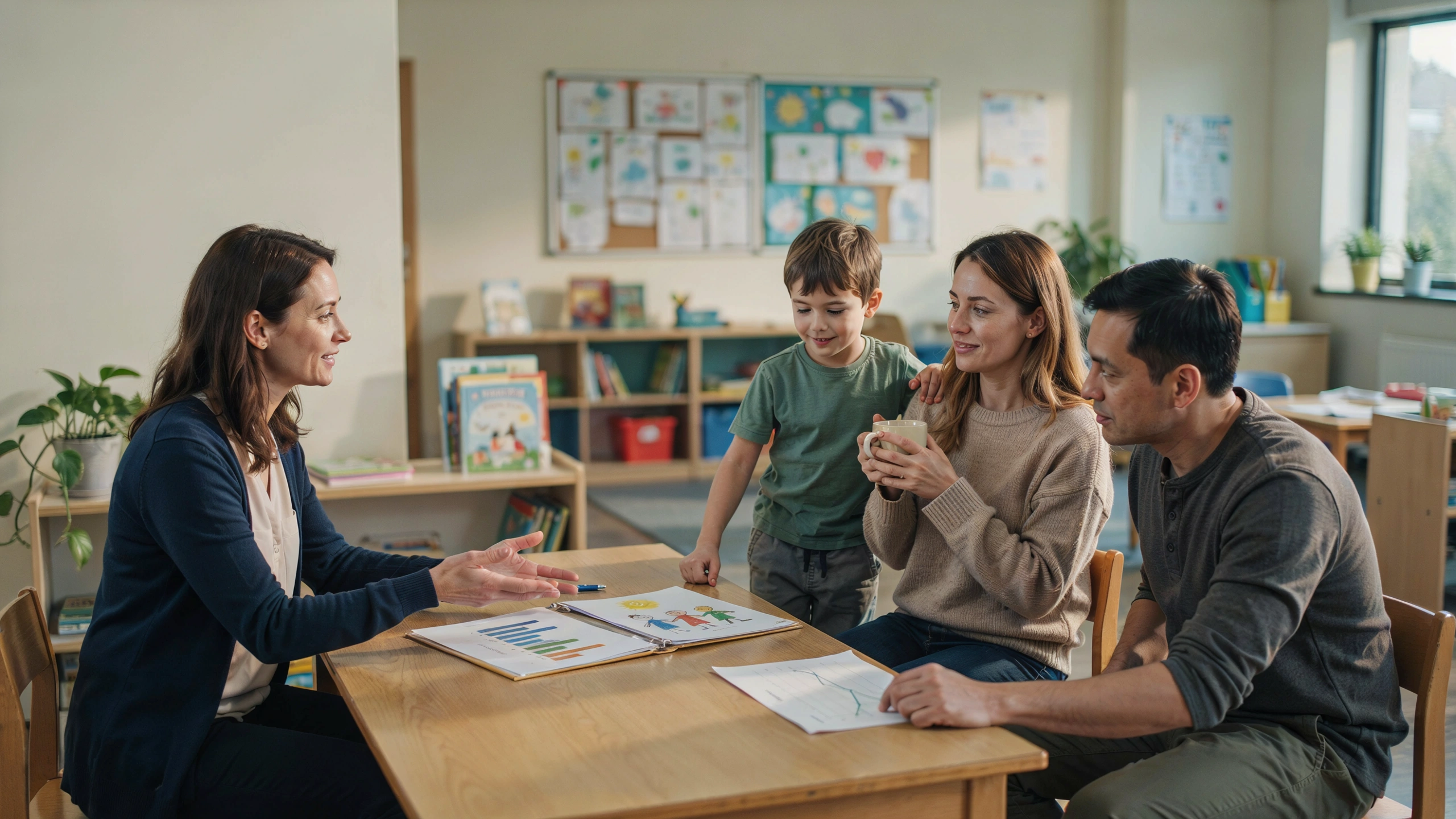
Education is most successful when schools and families work together. For students with Autism Spectrum Disorder (ASD), a strong partnership between teachers, parents, caregivers, and specialists can make a significant difference in academic progress, communication, emotional well-being, and independence.
Families have deep knowledge about their child’s personality, interests, strengths, and needs. Educators bring professional knowledge about teaching strategies, learning environments, and educational goals. When both sides collaborate, they create a consistent support system that helps autistic students thrive.
A successful school-home partnership is built on trust, respect, communication, and a shared commitment to the student’s development.
1. Understanding the Importance of School-Home Collaboration
Autistic students often experience different environments throughout the day:
- Home.
- School.
- Community settings.
When adults use similar strategies across these environments, students can learn and apply skills more easily.
Strong collaboration helps:
- Improve communication.
- Support consistent routines.
- Identify challenges early.
- Celebrate progress.
- Build student confidence.
2. Recognizing Families as Essential Partners
Parents and caregivers are experts on their children.
They can provide valuable information about:
- Communication preferences.
- Interests and motivations.
- Sensory needs.
- Successful strategies.
- Emotional triggers.
- Personal goals.
For example:
A parent may explain that a child becomes anxious when routines change, allowing teachers to prepare appropriate support.
3. Creating Effective Communication Between School and Home
Regular communication builds trust and improves cooperation.
Communication methods may include:
Daily Communication Notes
Short updates about:
- Activities completed.
- Progress.
- Challenges.
- Important events.
Regular Meetings
Meetings allow families and educators to discuss:
- Learning goals.
- Student development.
- Support strategies.
- Future plans.
Digital Communication Tools
Schools may use:
- Emails.
- Educational platforms.
- Communication applications.
These tools help maintain continuous connection.
4. Developing Shared Goals for the Student
Successful partnerships focus on common objectives.
Goals may include:
Academic Goals
Examples:
- Improving reading skills.
- Developing mathematics abilities.
- Increasing classroom participation.
Communication Goals
Examples:
- Expressing needs.
- Asking questions.
- Using communication tools.
Independence Goals
Examples:
- Following routines.
- Managing personal materials.
- Completing daily tasks.
When everyone works toward the same goals, progress becomes more consistent.
5. Sharing Information About Student Strengths
A successful partnership should focus on abilities, not only difficulties.
Families and teachers can share information about:
- Talents.
- Interests.
- Successful activities.
- Motivating factors.
Example:
A student’s interest in technology may be used to encourage learning through educational applications.
Recognizing strengths increases motivation and self-confidence.
6. Supporting Consistent Routines Between Home and School
Many autistic students benefit from predictable routines.
Schools and families can work together to support:
- Similar schedules.
- Similar communication methods.
- Similar expectations.
Examples:
At school:
- A visual schedule is used.
At home:
- A similar checklist helps organize daily activities.
Consistency reduces confusion and supports independence.
7. Working Together on Behavior Support
When challenging behaviors occur, collaboration helps identify the reasons behind them.
Instead of asking:
“How do we stop this behavior?”
The team can ask:
“What is this behavior communicating?”
Possible reasons include:
- Stress.
- Sensory discomfort.
- Difficulty communicating.
- Need for assistance.
- Unexpected changes.
Families and teachers can share observations and develop supportive strategies.
8. Involving Families in Educational Planning
Families should be active participants in decisions about their child’s education.
They can contribute to:
- Individualized Education Plans (IEPs).
- Learning goals.
- Support strategies.
- Transition planning.
Their perspective helps create a more complete understanding of the student.
9. Supporting Communication Development Together
Communication skills improve when practiced across different settings.
Families and schools can use consistent approaches such as:
- Visual supports.
- Communication devices.
- Picture systems.
- Social stories.
Example:
If a student uses a communication board at school, using similar tools at home helps strengthen the skill.
10. Helping Students Develop Independence
Both schools and families share the goal of increasing independence.
They can encourage students to:
- Make choices.
- Complete daily tasks.
- Ask for help appropriately.
- Solve simple problems.
Adults should provide support while allowing students opportunities to try independently.
11. Respecting Different Perspectives
Families and educators may sometimes have different opinions.
Effective partnerships require:
- Active listening.
- Respectful discussion.
- Understanding different experiences.
- Finding solutions together.
The focus should always remain on what best supports the student.
12. Supporting Emotional Well-Being
Families and teachers can work together to support emotional health.
They can share information about:
- Signs of anxiety.
- Stress triggers.
- Calming strategies.
- Preferred activities.
A consistent emotional support system helps students feel secure.
13. Preparing for Important Transitions
Transitions can be challenging for autistic students.
School-home collaboration is especially important during:
- Starting school.
- Moving to a new grade.
- Changing teachers.
- Preparing for adulthood.
Planning ahead helps students adapt more successfully.
14. Overcoming Challenges in School-Home Partnerships
Limited Time
Families and teachers are often busy.
Solutions:
- Use short but regular communication.
- Schedule meetings in advance.
- Use digital tools.
Different Expectations
Solution:
- Discuss goals clearly.
- Focus on student needs.
- Build mutual understanding.
Communication Barriers
Solution:
- Use accessible communication methods.
- Ensure all families can participate.
15. Building a Culture of Trust and Respect
The strongest partnerships are based on:
- Appreciation.
- Honesty.
- Collaboration.
- Shared responsibility.
Families should feel welcomed, and educators should feel supported.
A positive relationship creates better outcomes for students.
Conclusion
Strong school-home partnerships are a key factor in autism success. When families and educators work together, they create a consistent, supportive environment that helps autistic students develop academically, socially, and emotionally.
Collaboration is not just about exchanging information; it is about building a team around the student. Through trust, communication, and shared goals, schools and families can empower students with autism to reach their potential and lead more independent, confident lives.