
Introduction
In today’s multicultural and interconnected world, children regularly encounter people from different cultural, linguistic, and religious backgrounds. Whether through school, travel, books, films, or the internet, young learners are exposed to a wide variety of traditions and ways of life. This diversity offers valuable opportunities for learning, but it also presents the challenge of ensuring that children develop accurate, respectful, and inclusive perspectives.
One of the most important goals of global education is helping students appreciate cultural diversity without relying on stereotypes or oversimplified assumptions. Rather than viewing cultures as fixed or identical, children should learn that every individual has unique experiences, beliefs, and identities.
Teaching cultural appreciation through authentic learning experiences encourages empathy, critical thinking, and respectful communication. These skills help children become responsible global citizens who value both diversity and shared humanity.
Understanding Culture
Culture includes the beliefs, traditions, languages, customs, values, arts, foods, celebrations, and everyday practices that shape the lives of individuals and communities.
However, culture is not static. It changes over time and varies among families, regions, and individuals within the same country.
Children should understand that:
- People from the same country may have different traditions.
- Languages often have multiple dialects.
- Families celebrate holidays in different ways.
- Personal identities are influenced by many experiences.
Recognizing this diversity helps students avoid making broad generalizations.
What Are Stereotypes?
Stereotypes are oversimplified beliefs about groups of people. They often assume that every member of a group behaves, thinks, or lives in the same way.
Examples include assuming that:
- Everyone in a country eats the same food.
- All members of a culture share identical beliefs.
- People speak only one language.
- Every family follows the same traditions.
Although stereotypes may sometimes appear harmless, they can lead to misunderstanding, prejudice, and discrimination.
Why Avoiding Stereotypes Matters
Teaching children to question stereotypes helps them:
- Respect individual differences.
- Build meaningful friendships.
- Communicate more effectively.
- Think critically.
- Develop empathy.
- Appreciate diversity.
- Reduce prejudice.
These qualities contribute to more inclusive schools and communities.
Encouraging Curiosity Instead of Assumptions
Children are naturally curious about differences.
Teachers and parents can encourage respectful curiosity by inviting questions such as:
- What traditions are important to your family?
- How do different communities celebrate this holiday?
- What languages are spoken in your home?
- What similarities do we share despite our differences?
Open conversations help replace assumptions with authentic understanding.
Using Authentic Learning Resources
Children learn best when they encounter accurate and diverse representations of cultures.
Educators should use:
- Books written by authors from different cultures.
- Authentic photographs.
- Documentaries.
- Interviews.
- Cultural guest speakers.
- Primary historical sources.
- Traditional music and art.
Authentic resources help students experience cultures through real voices and perspectives.
The Power of Literature
Stories provide meaningful opportunities to explore cultural diversity.
International literature allows students to:
- Meet characters from different backgrounds.
- Understand multiple perspectives.
- Explore universal emotions.
- Appreciate diverse traditions.
- Develop empathy.
Teachers should select books that portray cultures respectfully and avoid reinforcing stereotypes.
Classroom Activities
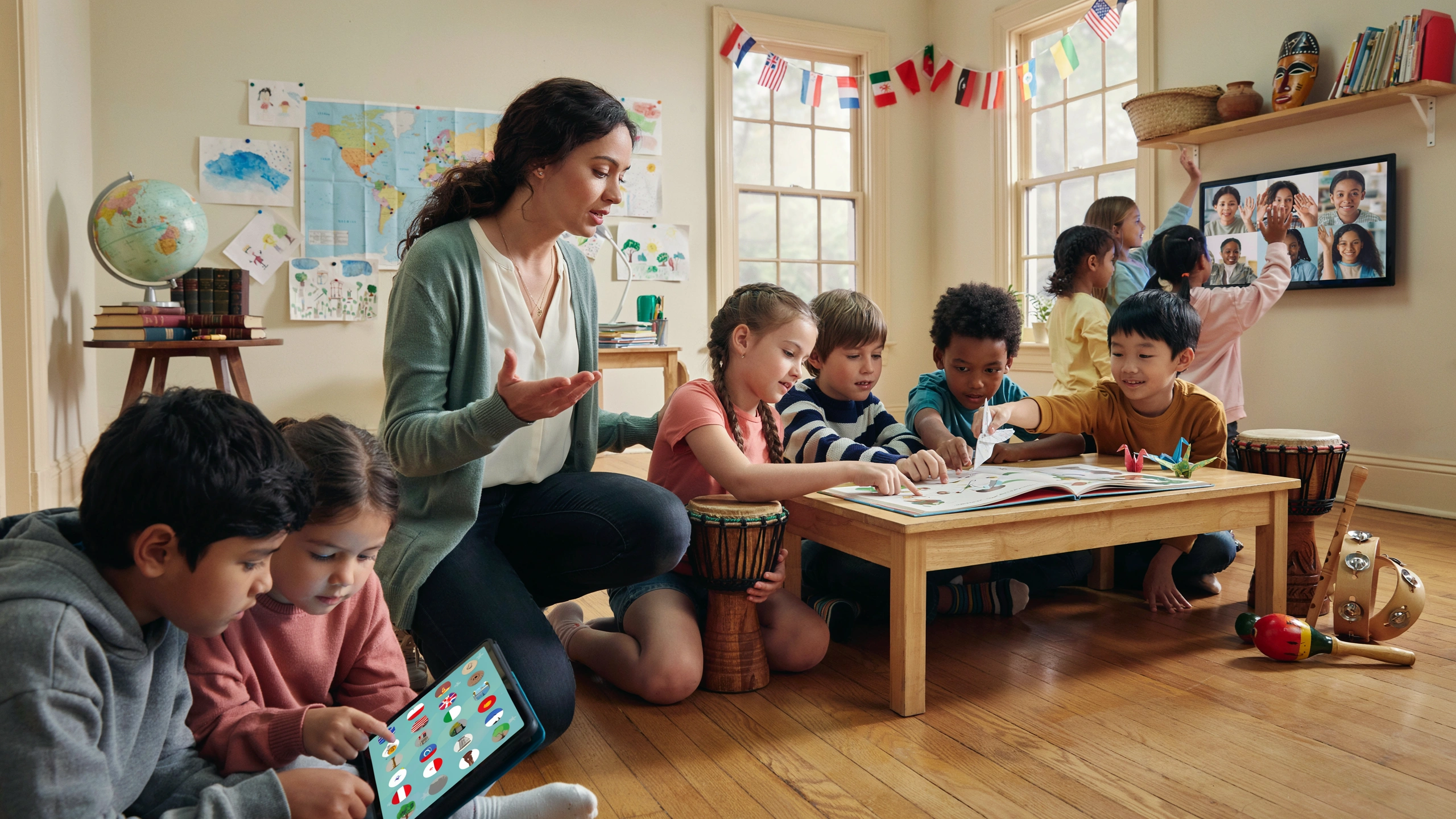
Teachers can create engaging experiences that celebrate diversity while promoting critical thinking.
Cultural Interviews
Students interview family or community members about traditions, languages, celebrations, and personal experiences.
Global Storytelling
Children read folktales from different cultures and compare common themes rather than focusing only on differences.
International Pen Pals
Virtual exchanges encourage authentic communication with students from other countries.
Cultural Research Projects
Students investigate a country by exploring its geography, history, arts, languages, scientific achievements, and daily life.
These projects encourage balanced and comprehensive understanding.
Integrating Cultural Learning Across Subjects
Geography
Students explore how climate, environment, and history influence cultural development.
History
Lessons examine historical events from multiple perspectives while highlighting cultural contributions from different civilizations.
Language Arts
Students analyze literature representing diverse voices and write reflections on cultural understanding.
Art
Creative projects introduce traditional artistic styles while encouraging respect for cultural heritage.
Music
Students explore traditional instruments, rhythms, and musical traditions from around the world.
The Role of Technology
Technology provides access to authentic cultural experiences through:
- Virtual museum tours.
- International classroom collaborations.
- Cultural documentaries.
- Language-learning platforms.
- Live conversations with students abroad.
- Interactive world maps.
These resources help students move beyond textbook descriptions toward genuine intercultural understanding.
The Role of Teachers
Teachers create classroom environments where diversity is respected and stereotypes are challenged.
Effective educators:
- Encourage thoughtful questions.
- Correct misconceptions respectfully.
- Present multiple perspectives.
- Promote inclusive discussions.
- Celebrate diversity throughout the year.
Students learn to value complexity rather than oversimplified explanations.
The Role of Families
Parents play an important role in shaping children’s attitudes.
Families can:
- Read multicultural books together.
- Watch international documentaries.
- Visit museums and cultural festivals.
- Encourage respectful conversations.
- Share family traditions.
- Explore different cuisines.
These experiences help children appreciate diversity naturally.
Building Global Competence
Teaching children to appreciate cultures without stereotypes develops important lifelong skills.
Students become better able to:
- Communicate respectfully.
- Collaborate internationally.
- Solve problems across cultures.
- Think critically.
- Demonstrate empathy.
- Build inclusive relationships.
These competencies prepare them for success in education, work, and civic life.
Common Mistakes to Avoid
Educators should avoid:
- Presenting cultures as identical.
- Focusing only on festivals and food.
- Using outdated materials.
- Ignoring diversity within cultures.
- Encouraging comparisons that suggest one culture is superior.
Balanced teaching promotes respect rather than judgment.
Long-Term Benefits
Students who learn to appreciate cultures authentically often become adults who:
- Value diversity.
- Reject prejudice.
- Communicate across cultures.
- Build international friendships.
- Support inclusion.
- Lead with empathy.
- Contribute to peaceful communities.
These qualities strengthen both local communities and global cooperation.
Conclusion
Teaching children to appreciate different cultures without stereotypes is an essential part of global education. By encouraging curiosity, critical thinking, empathy, and authentic cultural learning, schools and families help students develop respectful attitudes toward people from every background.
Rather than reducing cultures to simple labels or assumptions, children learn to recognize the richness, diversity, and individuality that exist within every society. They discover that while traditions and customs may differ, the values of kindness, respect, family, hope, and cooperation are shared across humanity.
As students grow into informed and compassionate global citizens, they become better prepared to build friendships, collaborate internationally, and contribute to a world where diversity is celebrated and every individual is treated with dignity and respect.