
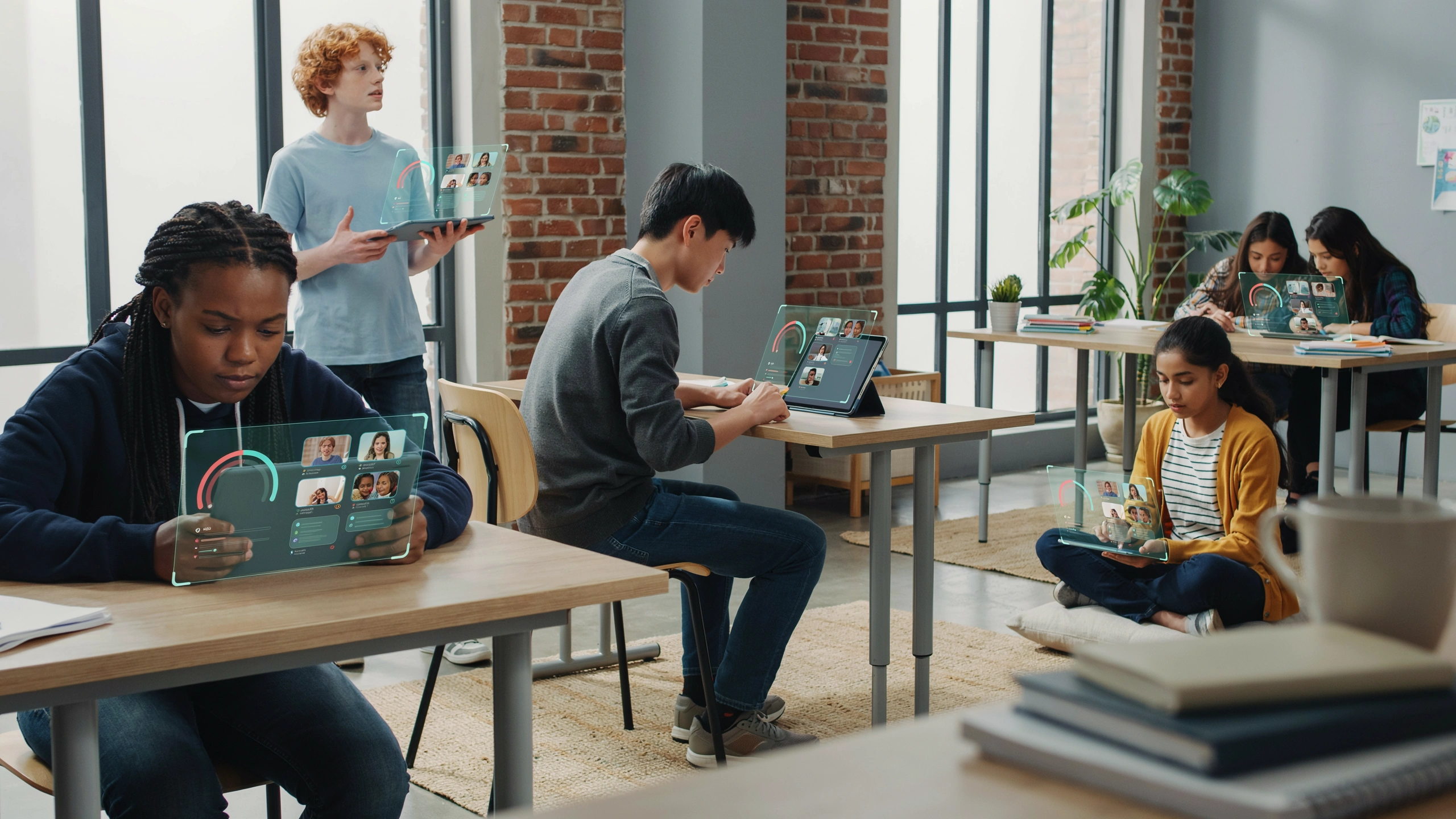
Education is no longer limited to a one-size-fits-all approach. Thanks to rapid advances in technology, schools and educators are increasingly embracing personalized learning—an educational model that adapts instruction, pace, and content to meet the unique needs of every student. By leveraging digital tools, artificial intelligence, and learning analytics, personalized learning empowers students to take control of their educational journey while helping teachers provide more targeted support.
As classrooms become more diverse, personalized learning through technology is proving to be one of the most effective strategies for improving student engagement, academic achievement, and lifelong learning skills.
What Is Personalized Learning?
Personalized learning is an educational approach that tailors instruction to each student’s individual needs, abilities, interests, and learning pace. Rather than expecting every learner to progress through the same material at the same speed, personalized learning recognizes that students have different strengths, challenges, and goals.
Technology plays a key role by collecting learning data, analyzing student performance, and recommending customized lessons and activities. This creates a more flexible and responsive learning experience.
Personalized learning does not replace teachers. Instead, it provides them with powerful tools to better understand and support each student.
Why Traditional Learning Has Limitations
Traditional classrooms often require teachers to present the same lesson to an entire class. While this method can be effective in many situations, it also presents challenges.
Some students may:
- Learn faster than their classmates and become bored.
- Need additional explanations before moving forward.
- Have different interests that affect motivation.
- Learn better through visual, auditory, or hands-on activities.
- Require specialized support because of learning differences.
Personalized learning addresses these challenges by adapting instruction to each learner instead of expecting every learner to adapt to the same instruction.
How Technology Enables Personalized Learning
Modern educational technology makes personalization possible through several innovative tools.
These include:
- Artificial Intelligence (AI)
- Adaptive learning platforms
- Learning Management Systems (LMS)
- Educational apps
- Learning analytics
- Digital assessments
- Intelligent tutoring systems
These technologies continuously monitor student progress and adjust learning materials based on performance, helping students receive the right level of challenge and support.
Learning at an Individual Pace
One of the greatest advantages of personalized learning is that students can learn at a pace that suits them.
Instead of moving through lessons according to a fixed classroom schedule:
- Advanced learners can explore more challenging material.
- Students needing extra practice can review concepts without feeling rushed.
- Learners gain confidence as they master each topic before progressing.
This flexible pacing reduces frustration while encouraging deeper understanding.
Increasing Student Engagement
Students are more motivated when learning feels relevant to their interests and abilities.
Technology allows educators to personalize content by offering:
- Interactive videos
- Educational games
- Simulations
- Project-based learning
- Multimedia lessons
- Self-paced activities
When students have more control over their learning, they become active participants rather than passive recipients of information.
Higher engagement often leads to improved attendance, stronger motivation, and better academic performance.
Data-Driven Instruction
Educational technology generates valuable data that helps teachers make informed decisions.
Learning analytics provide information about:
- Student strengths
- Areas requiring improvement
- Assignment completion
- Quiz performance
- Learning habits
- Time spent on tasks
- Progress toward learning goals
Teachers can use this information to provide timely interventions and personalize instruction more effectively.
Rather than relying solely on test scores, educators gain a more complete picture of each student’s learning journey.
Supporting Diverse Learning Styles
Every student processes information differently.
Technology supports various learning preferences by offering multiple content formats, including:
- Videos
- Interactive graphics
- Audio lessons
- Digital textbooks
- Virtual laboratories
- Hands-on simulations
- Reading materials
Students can choose learning methods that best match their strengths, increasing both understanding and confidence.
Helping Students Become Independent Learners
Personalized learning encourages students to take responsibility for their education.
Digital platforms often allow learners to:
- Set personal learning goals.
- Monitor their own progress.
- Review completed lessons.
- Practice independently.
- Receive immediate feedback.
These opportunities help students develop important lifelong skills such as self-management, organization, critical thinking, and problem-solving.
Supporting Inclusive Education
Technology makes personalized learning more accessible for students with diverse educational needs.
Examples include:
- Text-to-speech tools
- Speech recognition software
- Adjustable reading levels
- Language translation
- Closed captions
- Alternative assessment methods
These features help ensure that every learner has an opportunity to succeed regardless of ability or background.
The Role of Teachers in Personalized Learning
Although technology plays an important role, teachers remain central to the learning process.
Educators continue to:
- Guide classroom discussions.
- Provide emotional support.
- Encourage collaboration.
- Foster creativity.
- Build relationships with students.
- Adapt instruction based on individual needs.
Technology provides information and resources, but teachers use their professional expertise to create meaningful learning experiences.
Challenges of Personalized Learning
Despite its many benefits, personalized learning also presents challenges.
Technology Access
Not all students have reliable internet connections or personal digital devices.
Schools must work toward equitable access to technology to prevent widening educational inequalities.
Teacher Training
Teachers need professional development to effectively integrate personalized learning technologies into classroom instruction.
Data Privacy
Because personalized learning relies heavily on student data, schools must ensure that information is collected, stored, and used responsibly.
Balancing Technology and Human Interaction
Technology should enhance—not replace—human relationships in education.
Students continue to benefit from face-to-face collaboration, discussion, and mentorship.
Best Practices for Implementing Personalized Learning
Schools can maximize the benefits of personalized learning by:
- Combining technology with excellent teaching.
- Setting clear learning objectives.
- Monitoring student progress regularly.
- Providing timely feedback.
- Encouraging student reflection.
- Using a variety of instructional methods.
- Supporting collaboration alongside independent learning.
These strategies help create balanced, student-centered learning environments.
The Future of Personalized Learning
Advances in Artificial Intelligence and educational technology will continue to improve personalized learning.
Future innovations may include:
- AI-powered learning coaches
- Predictive learning analytics
- Emotion-aware educational systems
- Virtual Reality personalized lessons
- Augmented Reality learning experiences
- Intelligent assessment tools
- Fully customized digital curricula
These technologies will make education increasingly responsive to each learner’s unique needs.
Conclusion
Personalized learning through technology is transforming education by recognizing that every student learns differently. Through adaptive platforms, learning analytics, artificial intelligence, and interactive digital resources, educators can provide instruction that matches each learner’s pace, abilities, and interests.
While technology offers remarkable opportunities, successful personalized learning depends on maintaining the essential role of teachers, ensuring equitable access to digital tools, and protecting student privacy. When thoughtfully implemented, personalized learning creates engaging, inclusive, and effective educational experiences that prepare students for lifelong success in a rapidly changing world.