
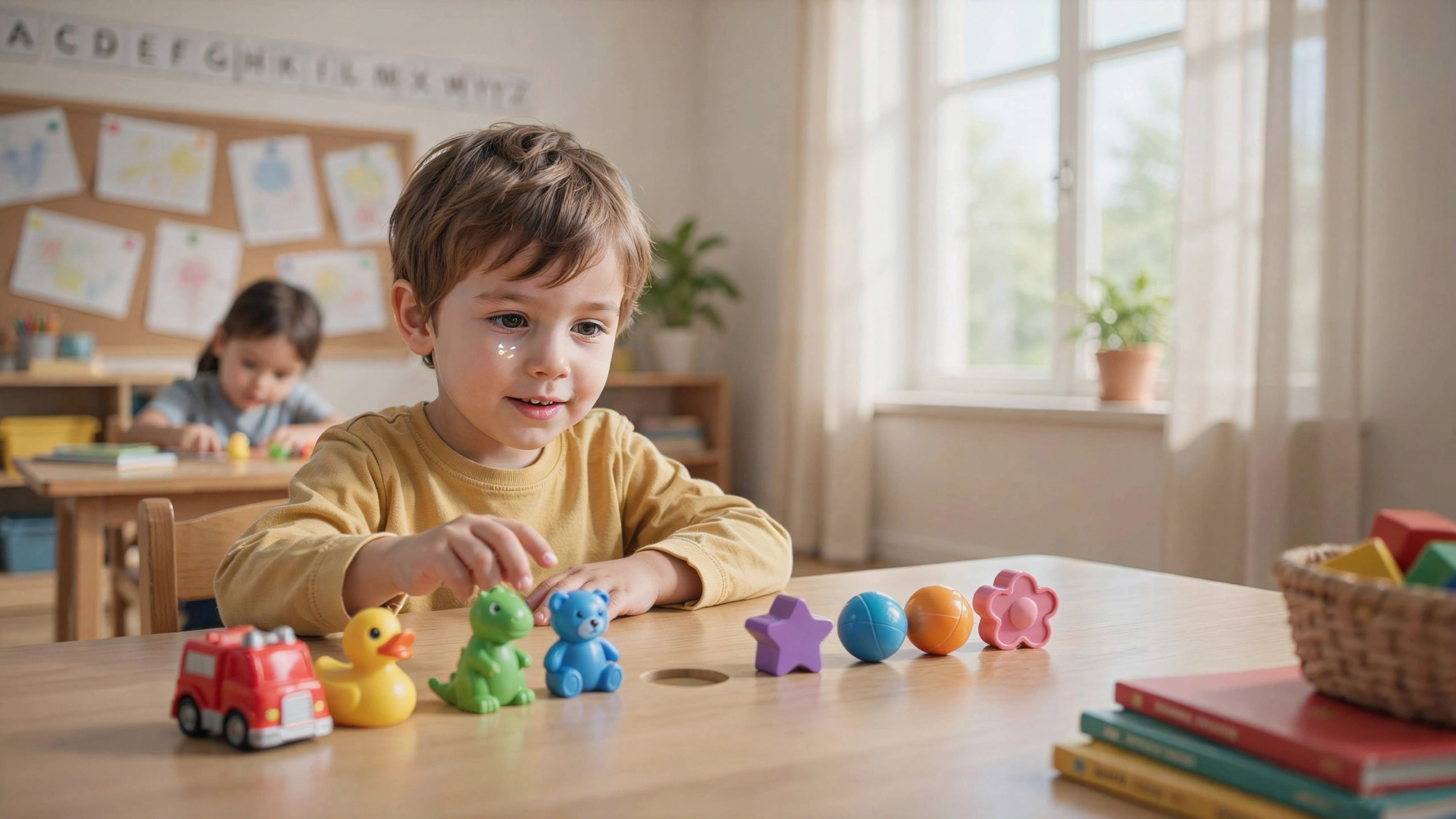
Observation is one of the most valuable skills children develop during their early years. It helps them notice details, recognize patterns, solve problems, and understand the world around them. One of the easiest and most effective ways to strengthen observation skills is through “What’s Missing?” activities.
This classic game challenges children to carefully study a group of objects before one or more items are removed. They must use their memory and attention to identify what has changed. Although simple, this activity builds important cognitive abilities while keeping learning fun and interactive.
In this article, you’ll discover creative “What’s Missing?” activities that help children improve observation, memory, and concentration using everyday materials.
Why Observation Skills Matter
Observation is the foundation of many learning experiences. Children use observation every day when they:
- Recognize letters and numbers
- Compare shapes and colors
- Solve puzzles
- Follow picture instructions
- Read books
- Complete science activities
- Notice patterns in their environment
Strong observation skills also support critical thinking, creativity, and problem-solving.
Benefits of “What’s Missing?” Activities
These simple games help children develop:
- Visual memory
- Attention to detail
- Concentration
- Logical thinking
- Working memory
- Vocabulary development
- Decision-making skills
- Confidence
Because the activities feel like games, children stay motivated while learning.
1. Household Object Challenge
Gather several familiar household objects, such as:
- Spoon
- Key
- Toy car
- Pencil
- Button
- Coin
- Cup
Allow children one minute to study the objects.
Ask them to close their eyes while you remove one item.
Children identify the missing object.
2. Toy Line-Up Game
Arrange five or more favorite toys in a row.
Children observe the toys for 30 seconds.
Remove one toy or change its position.
Ask:
“What changed?”
This activity strengthens both observation and sequential memory.
3. Nature Collection Game
Collect natural items such as:
- Leaves
- Flowers
- Pinecones
- Small stones
- Feathers
- Acorns
Display them on a tray.
Remove one item while children look away.
Children guess which natural object is missing.
This activity combines outdoor exploration with cognitive development.
4. Color Challenge
Place colorful objects on a table.
For example:
- Red apple
- Blue block
- Yellow cup
- Green leaf
Remove one object and ask:
“Which color disappeared?”
This game reinforces both color recognition and visual memory.
5. Picture Observation Activity
Show a detailed picture or illustration for one minute.
Hide it and ask questions like:
- What animal was in the picture?
- How many trees did you see?
- What color was the bicycle?
- Was anyone wearing a hat?
Children practice remembering visual details.
6. Classroom Desk Challenge
Perfect for teachers.
Arrange several classroom supplies, including:
- Crayon
- Glue stick
- Eraser
- Scissors
- Notebook
- Ruler
Remove one item while students close their eyes.
Ask them to identify the missing object.
7. Food Memory Game
Place healthy snacks on a plate.
Examples include:
- Apple slices
- Grapes
- Crackers
- Carrot sticks
- Cheese cubes
Remove one snack.
Children guess which food has disappeared before enjoying the remaining treats.
8. Shape Detective
Arrange several geometric shapes.
For example:
- Circle
- Triangle
- Square
- Rectangle
- Star
Remove one shape or replace it with another.
Children identify the missing or changed shape.
9. Clothing Memory Challenge
Display clothing items such as:
- Hat
- Shoe
- Sock
- Scarf
- Glove
After children study them, remove one item.
Ask them to remember which piece of clothing is missing.
10. Two Changes Challenge
Once children master finding one missing object, increase the difficulty.
Remove two objects or move several items to new positions.
Ask children to identify every change they notice.
This variation strengthens attention and working memory.
Ways to Increase the Difficulty
As children’s observation skills improve, make the activities more challenging by:
- Using more objects.
- Reducing observation time.
- Choosing similar-looking items.
- Removing multiple objects.
- Rearranging object positions.
- Asking children to describe the missing item in detail.
These small adjustments continue to build stronger memory and concentration.
Tips for Parents and Teachers
To keep “What’s Missing?” activities enjoyable:
- Keep sessions short (10–15 minutes).
- Praise careful observation instead of speed.
- Rotate objects regularly.
- Allow children to take turns hiding the items.
- Encourage discussion about what they noticed.
- Match the difficulty to the child’s age and ability.
Learning through play helps children stay engaged and confident.
Skills Developed Through Observation Games
Regular observation activities support many areas of early childhood development, including:
- Visual discrimination
- Memory recall
- Language development
- Logical reasoning
- Problem-solving
- Attention span
- School readiness
- Independent thinking
These skills prepare children for future success in reading, mathematics, science, and everyday learning.
Final Thoughts
“What’s Missing?” activities are simple, inexpensive, and highly effective for developing observation skills in young children. Whether using toys, household objects, classroom supplies, or items collected from nature, these games encourage children to look closely, remember details, and think carefully before answering.
With just a few minutes of practice each day, children can strengthen their memory, concentration, and visual awareness while having fun. The best part is that these engaging activities require very little preparation, making them perfect for both home and classroom learning.