
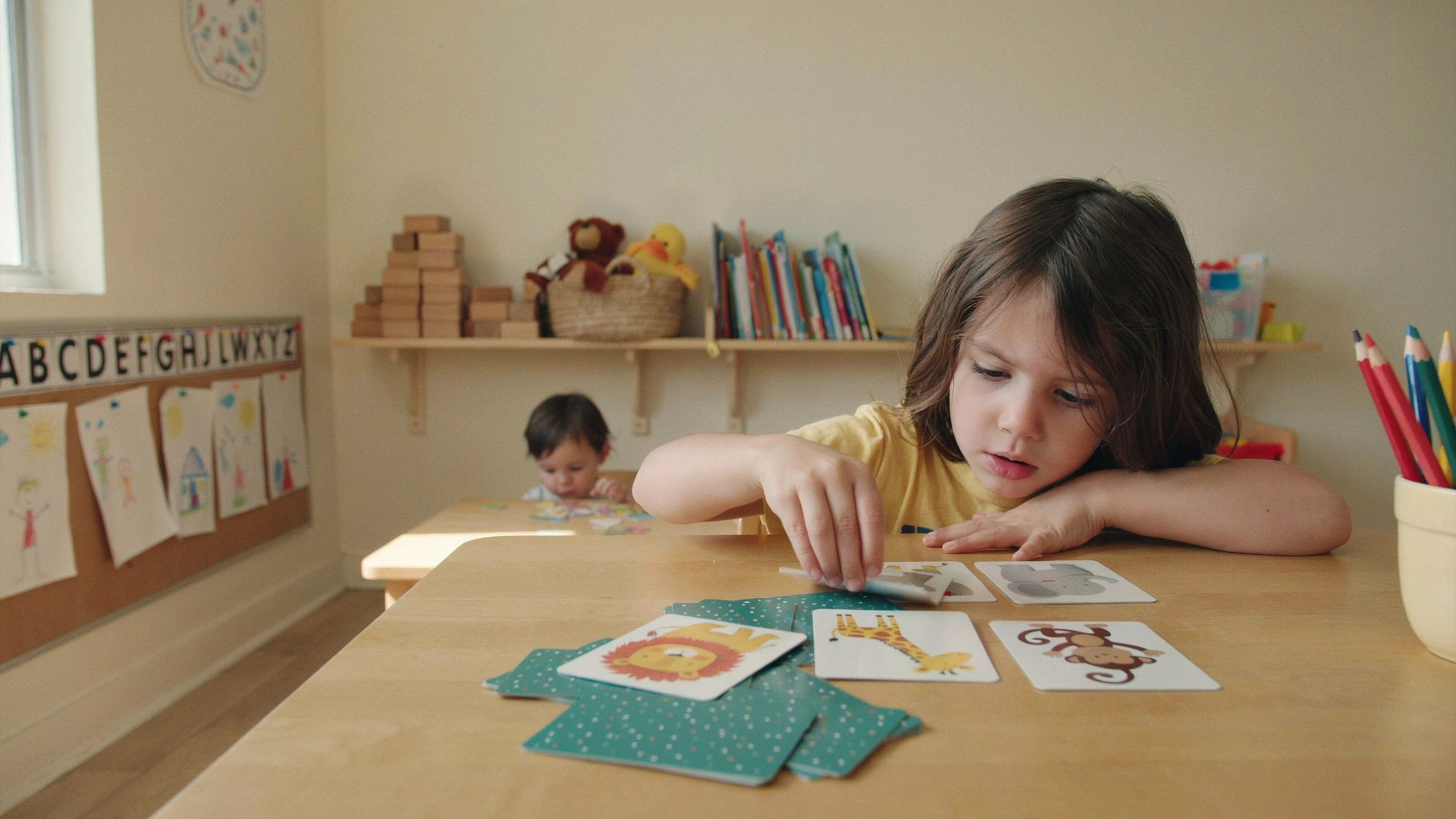
Matching card games have been entertaining children for generations, but they are much more than simple games. Every time a child flips over two cards and tries to find a matching pair, they are exercising important cognitive skills that support learning, problem-solving, and academic success.
Whether played at home, in the classroom, or during travel, matching card games provide a fun and engaging way to strengthen memory, improve concentration, and encourage critical thinking. Best of all, they are easy to set up and can be adapted for children of all ages.
Why Matching Games Are So Effective
When children play matching games, they must remember the location of previously revealed cards while staying focused on finding pairs. This combination of memory and attention helps strengthen neural connections that are essential for learning.
Regular practice can improve:
- Visual memory
- Working memory
- Attention span
- Concentration
- Observation skills
- Logical thinking
- Patience
- Self-confidence
Because children learn through play, matching games feel enjoyable rather than like formal lessons.
How to Play a Matching Card Game
The basic rules are simple:
- Shuffle the cards.
- Place all cards face down in neat rows.
- Players take turns flipping over two cards.
- If the cards match, the player keeps the pair and takes another turn.
- If they do not match, the cards are turned face down again.
- The game continues until every pair has been found.
The player with the most pairs wins.
How Matching Games Improve Memory
Each turn requires children to remember the position of cards they have already seen. As the game progresses, they build a mental map of the playing area.
This repeated recall strengthens visual memory, making it easier for children to remember information in everyday learning situations such as recognizing letters, numbers, words, and images.
Building Better Concentration
Success in matching games depends on paying close attention throughout the entire game—not just during one turn.
Children learn to:
- Focus on details
- Ignore distractions
- Watch other players carefully
- Stay mentally engaged
- Think before making decisions
These concentration skills are valuable in school, especially during reading, writing, and mathematics activities.
Different Types of Matching Games
Keeping the game fresh with different themes helps maintain children’s interest while introducing new learning opportunities.
Alphabet Matching
Match uppercase and lowercase letters.
Example:
- A → a
- B → b
- C → c
This supports early literacy skills.
Number Matching
Children match identical numbers or pair numbers with groups of objects.
For example:
- Number 5 → five stars
- Number 8 → eight apples
This reinforces number recognition and counting.
Animal Matching
Use pictures of animals to build vocabulary while improving visual memory.
Children can also name each animal after making a match.
Shape Matching
Cards feature circles, squares, triangles, rectangles, and other geometric shapes.
This activity supports early geometry concepts.
Color Matching
Children pair identical colors or match objects that share the same color.
This strengthens observation and visual discrimination.
Sight Word Matching
Older children can match identical sight words or pair words with matching pictures.
This combines reading practice with memory training.
Ways to Make the Game More Challenging
As children become more confident, increase the level of difficulty by:
- Adding more card pairs
- Limiting viewing time
- Using smaller cards
- Mixing similar-looking images
- Playing against a timer
- Asking children to explain why two cards match
Gradual challenges keep the activity exciting and continue building memory skills.
DIY Matching Cards
You don’t need to buy special game sets.
Create your own cards using:
- Index cards
- Sticky notes
- Cardboard squares
- Printed pictures
- Magazine cutouts
- Family photographs
Homemade games can focus on topics your child is currently learning, making them both personal and educational.
Benefits Beyond Memory
Matching games also help children develop important social and emotional skills.
These include:
- Taking turns
- Following rules
- Coping with mistakes
- Celebrating others’ success
- Practicing patience
- Building confidence through achievement
When played with family or classmates, matching games encourage positive interaction and teamwork.
Tips for Parents and Teachers
To make matching games even more effective:
- Begin with a small number of pairs for younger children.
- Increase the number of cards gradually.
- Offer encouragement instead of focusing only on winning.
- Play regularly in short sessions of 10–15 minutes.
- Choose themes that match the child’s interests.
- Allow children to help create their own cards.
Making the activity enjoyable encourages children to return to it again and again.
Final Thoughts
Matching card games are one of the simplest and most effective ways to strengthen memory and concentration in young children. Through repeated practice, children learn to observe carefully, remember visual information, and stay focused for longer periods.
Whether using store-bought cards or homemade sets, these games transform learning into an enjoyable adventure. With just a few minutes of play each day, children can develop essential cognitive skills that support success in school and everyday life.