
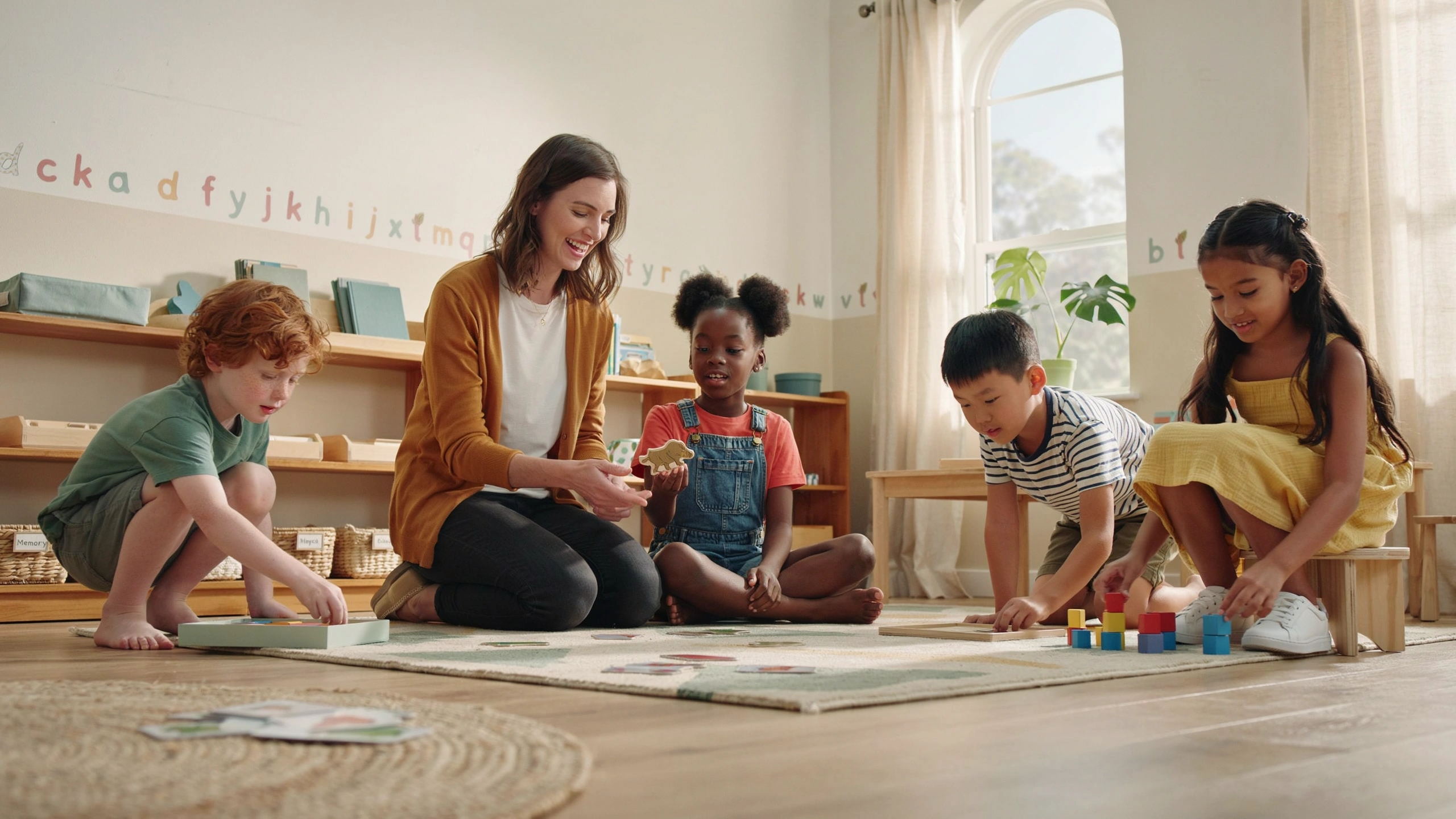
Memory is one of the most important building blocks of a child’s learning journey. From remembering letters and numbers to following instructions and solving everyday problems, strong memory skills help children succeed both at home and in school. The good news is that memory can be strengthened through enjoyable, play-based activities that children naturally love.
In this article, you’ll discover 20 fun memory games that help improve recall skills while encouraging concentration, observation, and critical thinking. Most of these activities require little or no special equipment, making them perfect for families, teachers, and homeschoolers.
Why Memory Games Matter
Memory games do much more than entertain children. They help develop:
- Short-term memory
- Working memory
- Visual memory
- Auditory memory
- Attention span
- Problem-solving abilities
- Language development
- Cognitive flexibility
Regular memory practice also builds confidence as children become better at remembering information and completing tasks independently.
1. Classic Matching Card Game
Place cards face down and let children turn over two cards at a time, searching for matching pairs.
Skills Developed:
- Visual memory
- Concentration
- Patience
Increase the difficulty by adding more cards as children improve.
2. What’s Missing?
Arrange several objects on a tray and allow children one minute to study them. Cover the tray, secretly remove one object, then ask them to identify what’s missing.
Skills Developed:
- Observation
- Visual recall
- Attention to detail
3. Memory Tray Challenge
Display 10–20 small objects for one minute. Hide them and ask children to list or draw as many objects as they can remember.
This simple activity strengthens visual memory while expanding vocabulary.
4. Simon Says
The classic game “Simon Says” requires children to listen carefully before following instructions.
Examples include:
- Simon says touch your nose.
- Simon says jump twice.
- Clap your hands.
Children must only perform actions when the phrase “Simon says” is spoken.
Skills Developed:
- Listening attention
- Working memory
- Self-control
5. Repeat the Sequence
Clap a rhythm, tap the table, or create a sequence of actions. Children repeat the exact pattern.
Start with three actions and gradually increase the length.
6. Story Recall Game
Read a short story, then ask questions such as:
- Who was the main character?
- Where did the story happen?
- What happened first?
- What happened at the end?
This activity improves both comprehension and memory.
7. Picture Observation Challenge
Show an interesting picture for 30 seconds before hiding it.
Ask children questions like:
- How many animals were there?
- What color was the car?
- Was anyone wearing a hat?
This game develops visual attention and observation skills.
8. Shopping List Memory
Pretend you’re going shopping.
Say:
“I need apples, milk, and bread.”
The child repeats the list.
Each round, add one more item.
This is an excellent working memory exercise.
9. Follow Multi-Step Directions
Give increasingly complex instructions, such as:
“Touch the chair, clap twice, then spin around.”
Children practice remembering several pieces of information at once.
10. Sound Memory Game
Play different sounds using household objects.
Examples include:
- Ringing a bell
- Shaking keys
- Tapping a spoon
- Closing a book
Children identify the sounds in the correct order.
11. Color Sequence Challenge
Arrange colored blocks in a pattern.
Hide them after a few seconds.
Children recreate the same sequence from memory.
12. Number Recall Game
Say a sequence of numbers aloud.
Example:
5 – 2 – 8
Gradually increase the number of digits as children improve.
13. Animal Movement Memory
Create a sequence of animal actions.
Example:
- Hop like a rabbit
- Waddle like a penguin
- Stretch like a cat
Children repeat the entire sequence.
This combines physical activity with memory training.
14. Hidden Treasure Hunt
Hide several objects around the room.
Provide clues.
After finding each object, ask children to remember where it was hidden.
This activity strengthens spatial memory.
15. Word Chain Game
Start with one word.
Example:
Apple.
The next player repeats “Apple” and adds another word.
Apple, Banana.
Continue building the chain.
This game improves verbal memory and vocabulary.
16. Shape Recall Activity
Display several geometric shapes for a short time.
Hide them.
Children draw or arrange the shapes in the same order.
17. Copy the Pattern
Build a simple design using blocks, LEGO®, or colored cubes.
Allow children to study it briefly before recreating it.
Perfect for developing visual-spatial memory.
18. Memory Walk
Place several objects along a short path.
Walk through together.
Later, ask children to recall the order of the objects they saw.
19. Guess the Missing Word
Read a familiar sentence but leave out one word.
For example:
“The sun shines in the ____.”
Children supply the missing word from memory.
This activity supports language development and listening skills.
20. Daily Memory Challenge
End each day by asking questions such as:
- What was your favorite activity today?
- What did you eat for lunch?
- Who did you play with?
- What made you smile today?
These conversations strengthen long-term memory while encouraging communication.
Tips for Making Memory Games More Effective
To maximize learning:
- Keep sessions between 10 and 20 minutes.
- Celebrate effort instead of perfect answers.
- Increase difficulty gradually.
- Use positive encouragement.
- Rotate activities to maintain interest.
- Make games part of your daily routine.
Short, enjoyable practice sessions are far more effective than long, repetitive drills.
Final Thoughts
Helping children develop strong memory skills doesn’t require expensive materials or complicated lessons. Through simple games, everyday conversations, and playful challenges, children naturally improve their recall, attention, and confidence.
The key is consistency. Just a few minutes of memory-focused play each day can make a meaningful difference in a child’s cognitive development while creating enjoyable learning experiences that the whole family can share.