
Introduction
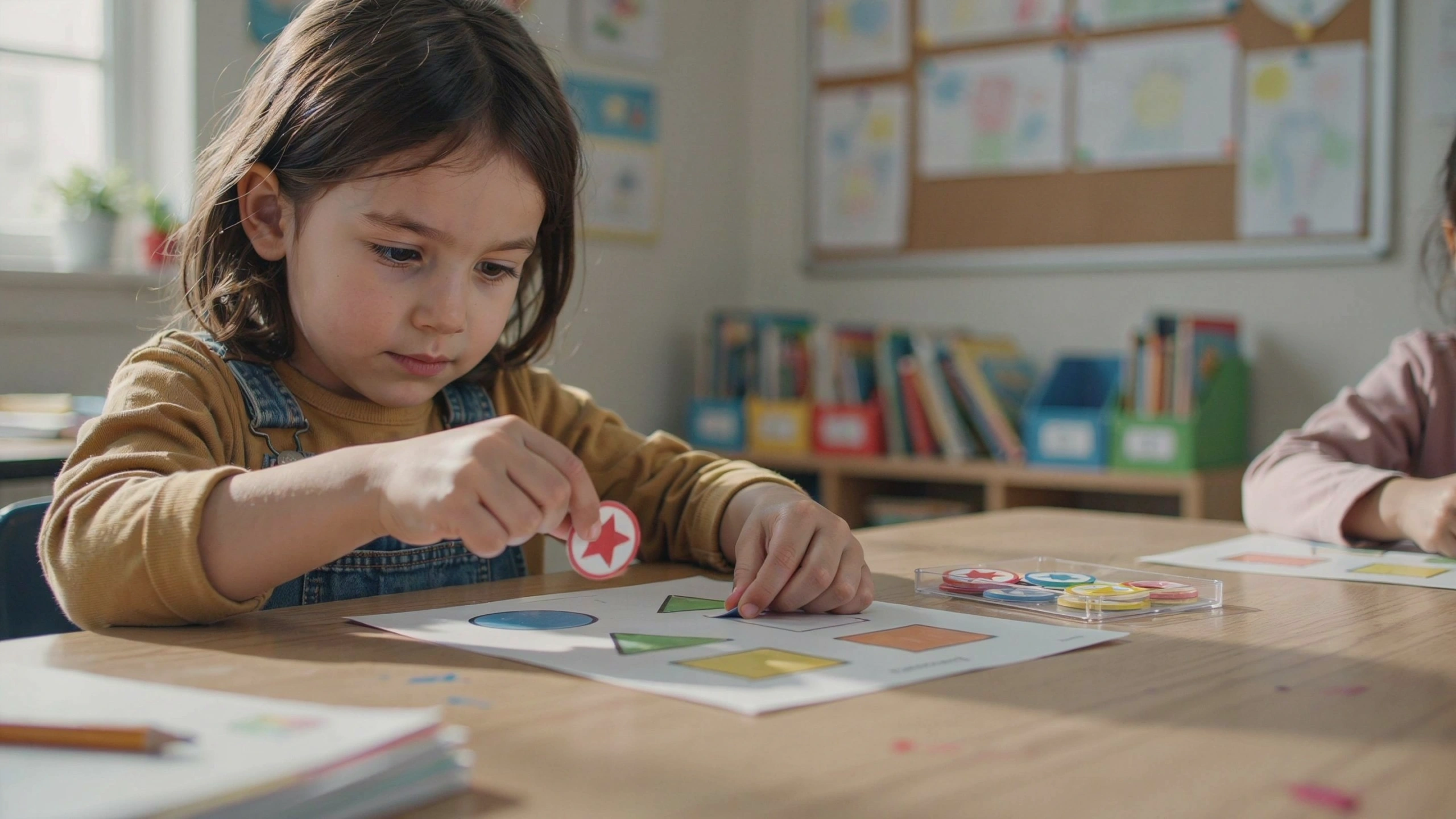
Learning to write begins long before a child picks up a pencil. Developing strong finger muscles, precise hand movements, and good hand-eye coordination are essential steps in preparing for handwriting. One of the easiest and most enjoyable pre-writing activities is the Sticker Peeling and Placing Activity.
Children naturally love colorful stickers, making this game both exciting and educational. As they peel and place stickers, they strengthen the same muscles used for holding a pencil, improve finger coordination, and practice careful, controlled movements. Best of all, this activity requires only a few inexpensive supplies and can be enjoyed at home, in preschool, or in the classroom.
Why Sticker Activities Support Early Writing
Peeling a sticker from its backing may seem simple, but it requires children to use precise finger movements and concentration. These small actions help develop the fine motor skills needed for handwriting.
Regular sticker activities help children:
- Strengthen finger muscles.
- Improve pencil grip.
- Develop hand-eye coordination.
- Increase finger independence.
- Practice careful movement and accuracy.
- Build patience and confidence.
These skills create a strong foundation for future writing success.
Materials You’ll Need
Gather a few simple supplies before starting:
- Colorful stickers (dots, stars, animals, or shapes)
- White paper or construction paper
- Printable worksheets (optional)
- Marker or crayons
- Pencil
- Storage container for stickers
You can also use themed stickers to match holidays, seasons, animals, or letters of the alphabet.
How to Play
- Give your child a sheet of stickers.
- Draw simple shapes, lines, or pictures on a piece of paper.
- Ask your child to carefully peel one sticker at a time.
- Place each sticker on the lines, inside shapes, or on matching pictures.
- Continue until the page is complete.
Encourage children to use only their fingertips rather than pulling multiple stickers at once.
Skills Children Develop
This simple activity strengthens many important pre-writing abilities.
Fine Motor Strength
Peeling stickers requires children to pinch and pull gently, strengthening the small muscles in their fingers and hands.
Pencil Control
The careful movements used to position stickers help children gain better control over future pencil movements.
Hand-Eye Coordination
Children learn to guide their hands accurately while looking at specific target areas.
Finger Dexterity
Separating stickers from their backing encourages independent finger movement, which is important for writing and many daily tasks.
Visual Attention
Children practice focusing on details while placing stickers exactly where they belong.
Fun Variations to Try
Keep the activity fresh by introducing different challenges.
Color Matching Game
Draw colored circles and ask children to match stickers to the correct colors.
Alphabet Sticker Hunt
Write uppercase or lowercase letters on paper and let children place matching letter stickers on each one.
Number Counting Activity
Write numbers and ask children to place the correct number of stickers beside each number.
Shape Fill Challenge
Draw large shapes and encourage children to completely fill each one using stickers.
Pattern Making
Create simple patterns such as star-circle-star-circle and let children continue the sequence using stickers.
Tips for Parents and Teachers
Help children enjoy the activity with these simple suggestions:
- Start with larger stickers for younger children.
- Introduce smaller stickers as finger strength improves.
- Encourage slow, careful movements.
- Celebrate effort rather than perfection.
- Offer different sticker themes to keep children interested.
- Store leftover stickers for future activities.
Short practice sessions of 10–15 minutes are often the most effective for young learners.
Benefits Beyond Pre-Writing
Sticker activities support much more than handwriting readiness. They also help children develop:
- Creativity
- Decision-making
- Concentration
- Visual discrimination
- Problem-solving
- Confidence in completing independent tasks
Children often see this activity as play, making learning feel natural and enjoyable.
Making the Activity More Challenging
As your child becomes more confident, you can increase the level of difficulty by:
- Using smaller stickers.
- Creating winding paths to follow with stickers.
- Asking children to copy simple designs.
- Introducing timed challenges that focus on careful placement rather than speed.
- Combining stickers with tracing or coloring activities.
These variations continue to strengthen fine motor skills while keeping the activity engaging.
Conclusion
The Sticker Peeling and Placing Activity is a simple yet highly effective way to prepare children for handwriting. Every sticker they peel and place helps build stronger fingers, better coordination, and greater pencil control.
With just a sheet of colorful stickers and a little creativity, parents and teachers can turn everyday play into a valuable learning experience. Consistent practice through fun activities like this helps children develop the confidence and skills they need for successful writing in the future.