
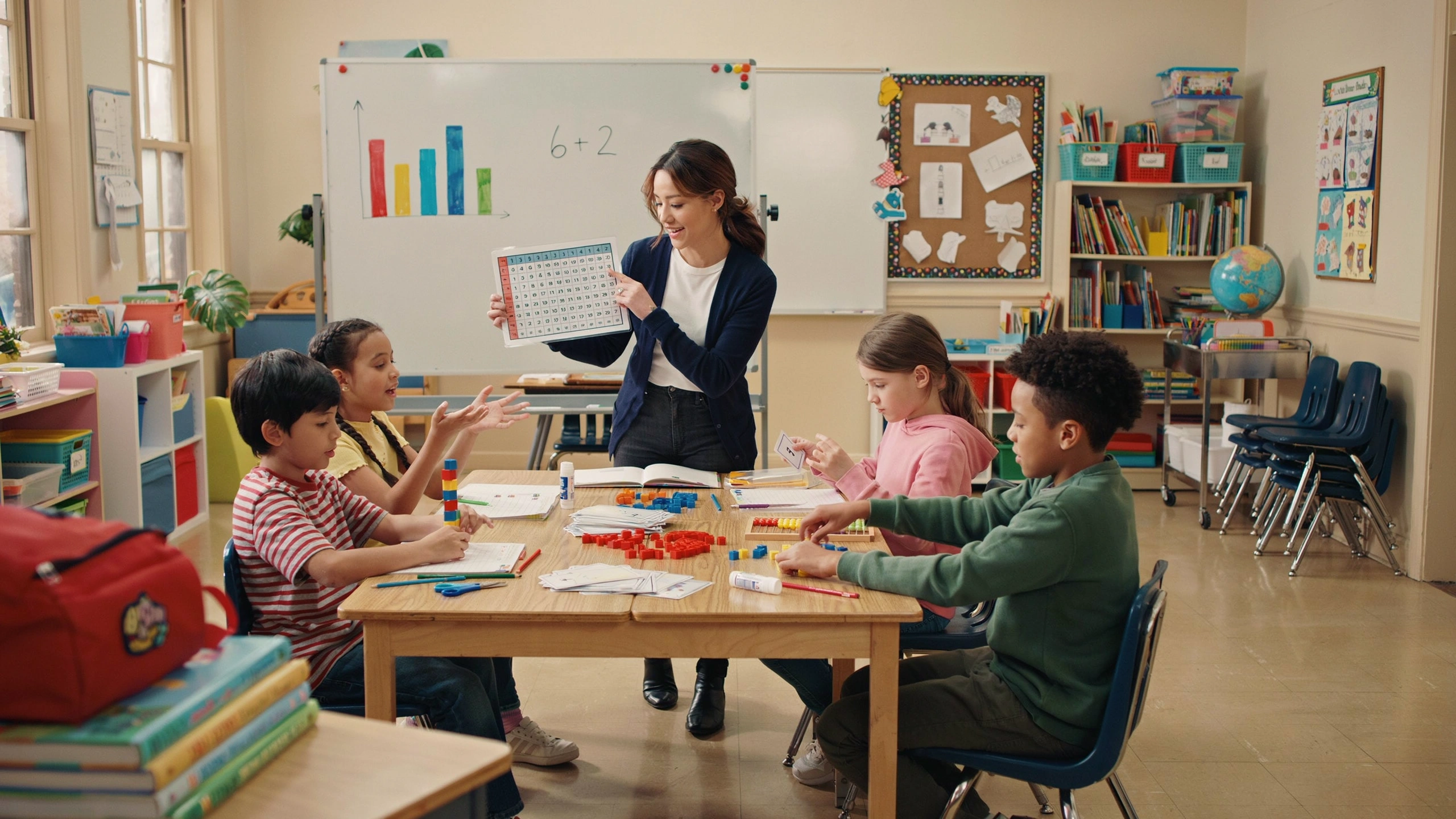
Introduction
Teaching students with learning disabilities requires flexibility, patience, and a commitment to meeting individual learning needs. Every student has unique strengths and challenges, and no single teaching method works for everyone. By using evidence-based instructional strategies, educators can help students overcome learning barriers, build confidence, and achieve academic success.
An effective classroom is one where all students are given the opportunity to learn in ways that match their abilities and learning styles.
Understanding Learning Disabilities
Learning disabilities are neurological differences that affect how students receive, process, store, and express information. They are not related to intelligence, motivation, or effort.
Students with learning disabilities may experience challenges in areas such as:
- Reading
- Writing
- Mathematics
- Memory
- Organization
- Listening comprehension
- Processing speed
Despite these challenges, many students possess exceptional creativity, problem-solving abilities, and critical thinking skills.
Why Teaching Strategies Matter
Without appropriate instructional support, students with learning disabilities may become discouraged and disengaged. Effective teaching strategies help reduce frustration while improving understanding, participation, and independence.
Successful instruction focuses on helping students access the curriculum rather than lowering academic expectations.
1. Use Explicit Instruction
Explicit instruction involves teaching concepts clearly and systematically.
Teachers should:
- Explain learning objectives.
- Demonstrate each step of a task.
- Think aloud while solving problems.
- Provide guided practice.
- Gradually release responsibility to students.
Clear instruction minimizes confusion and builds confidence.
2. Break Learning into Smaller Steps
Large assignments can overwhelm students with learning disabilities.
Instead:
- Divide lessons into manageable sections.
- Teach one concept at a time.
- Review previous material before introducing new ideas.
- Check understanding frequently.
Small successes encourage continued learning.
3. Use Multisensory Teaching
Students learn more effectively when multiple senses are involved.
Examples include:
- Reading aloud while displaying text.
- Writing letters in sand or on textured surfaces.
- Using manipulatives in mathematics.
- Incorporating movement into lessons.
- Combining visuals, sounds, and hands-on activities.
Multisensory instruction strengthens memory and engagement.
4. Differentiate Instruction
Students learn at different rates and in different ways.
Differentiation may involve:
- Adjusting the difficulty of assignments.
- Providing multiple examples.
- Offering different reading materials.
- Allowing students to choose project formats.
- Using flexible grouping.
Differentiation ensures that every learner can participate meaningfully.
5. Provide Visual Supports
Visual tools help students organize information and improve comprehension.
Useful supports include:
- Graphic organizers.
- Charts and diagrams.
- Mind maps.
- Timelines.
- Color-coded notes.
- Visual schedules.
- Anchor charts displayed in the classroom.
These resources reduce cognitive load and make learning more accessible.
6. Encourage Active Learning
Students remember information better when they actively participate.
Teachers can:
- Ask open-ended questions.
- Use classroom discussions.
- Include educational games.
- Organize collaborative activities.
- Encourage hands-on experiments.
- Use role-playing and simulations.
Active participation increases motivation and understanding.
7. Offer Frequent Feedback
Constructive feedback helps students recognize both strengths and areas for improvement.
Effective feedback should:
- Be specific.
- Be immediate whenever possible.
- Focus on effort and progress.
- Include practical suggestions.
- Encourage persistence.
Positive reinforcement motivates students to continue improving.
8. Teach Organizational Skills
Many students with learning disabilities struggle with organization.
Teachers can help by teaching students how to:
- Use planners or digital calendars.
- Organize folders and notebooks.
- Create checklists.
- Break long-term projects into smaller tasks.
- Prioritize assignments.
- Manage their time effectively.
These life skills support long-term academic success.
9. Integrate Assistive Technology
Technology provides valuable learning support.
Examples include:
- Text-to-speech software.
- Speech-to-text applications.
- Audiobooks.
- Digital note-taking tools.
- Word prediction software.
- Educational apps.
- Interactive learning platforms.
Assistive technology helps students access content more independently.
10. Foster a Positive Classroom Environment
Students learn best when they feel safe, respected, and encouraged.
Teachers should:
- Celebrate individual progress.
- Encourage questions.
- Normalize mistakes as part of learning.
- Promote peer support.
- Build positive relationships.
- Create predictable classroom routines.
A supportive atmosphere increases both confidence and engagement.
Collaborating with Families
Parents are essential partners in a child’s education.
Regular communication allows teachers and families to:
- Share academic progress.
- Discuss effective learning strategies.
- Address concerns early.
- Celebrate achievements.
- Establish consistent expectations between home and school.
Strong partnerships create a more supportive learning experience.
Monitoring Student Progress
Continuous assessment helps teachers adjust instruction to meet changing needs.
Useful methods include:
- Classroom observations.
- Informal assessments.
- Student portfolios.
- Learning journals.
- Performance tasks.
- Short quizzes.
- One-on-one conferences.
Monitoring progress ensures that interventions remain effective.
Looking Beyond Academic Performance
Success should not be measured solely by grades.
Students also grow through:
- Increased independence.
- Improved communication skills.
- Stronger problem-solving abilities.
- Greater confidence.
- Better collaboration with peers.
- Increased perseverance.
Recognizing these achievements motivates students to continue learning.
Conclusion
Effective teaching for students with learning disabilities is built on understanding, flexibility, and evidence-based practices. By using explicit instruction, multisensory learning, differentiated teaching, assistive technology, and continuous encouragement, educators can remove barriers that prevent students from reaching their full potential.
Every child has the ability to learn. When teachers adapt their instruction to meet diverse needs, they empower students with learning disabilities to develop confidence, independence, and a lifelong love of learning.