Introduction
For many years, conversations about learning disabilities have focused primarily on challenges such as reading difficulties, writing struggles, or mathematical obstacles. While understanding these challenges is important, it is equally essential to recognize the remarkable strengths, talents, and abilities that many individuals with learning disabilities possess.
Students with learning disabilities are not defined by what they find difficult. They often bring creativity, resilience, innovation, and unique ways of thinking that enrich classrooms, workplaces, and communities. By shifting our perspective from deficits to strengths, we can help every learner develop confidence, motivation, and a sense of purpose.
Looking Beyond Labels
A learning disability is only one aspect of a person’s identity. It does not define intelligence, character, or future potential.
Every student has a unique combination of:
- Talents
- Interests
- Skills
- Learning preferences
- Life experiences
- Personal goals
When educators and families focus only on weaknesses, they may overlook the many qualities that contribute to success.
The Strengths of Different Thinkers
Many students with learning disabilities demonstrate exceptional abilities in areas that are not always measured by traditional classroom assessments.
Common strengths include:
- Creative thinking
- Strong imagination
- Visual-spatial reasoning
- Problem-solving
- Innovation
- Curiosity
- Adaptability
- Determination
These strengths often help students approach problems from fresh and original perspectives.
Creativity as a Powerful Asset
Creativity is frequently one of the greatest strengths of students with learning disabilities.
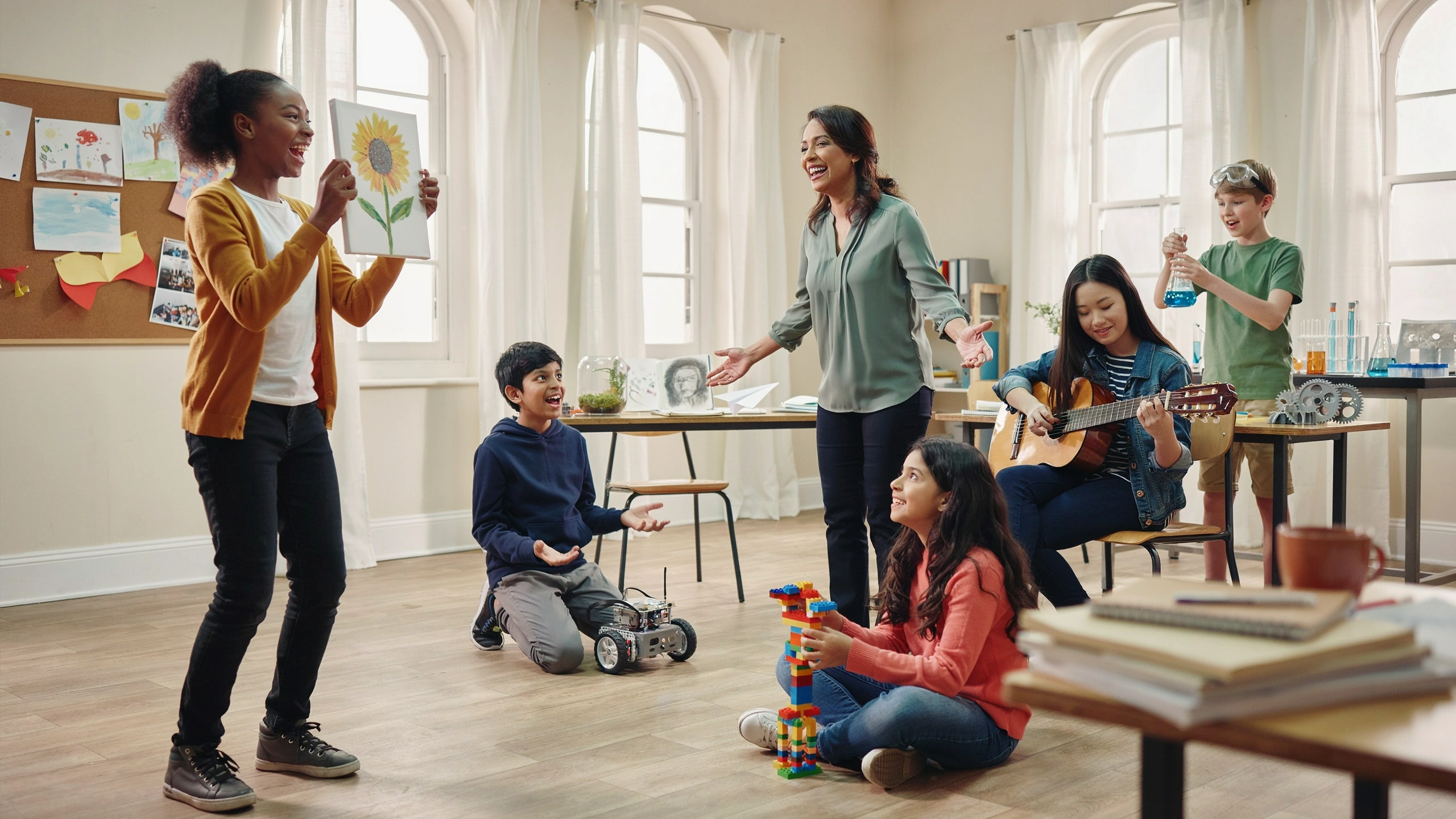
Creative learners often excel in:
- Art and design
- Music
- Storytelling
- Photography
- Architecture
- Graphic design
- Film production
- Creative writing
Their ability to think differently allows them to produce original ideas and innovative solutions.
Strong Problem-Solving Skills
Because students with learning disabilities often develop alternative ways of approaching tasks, they frequently become skilled problem-solvers.
They learn to:
- Analyze situations carefully.
- Think outside the box.
- Develop practical solutions.
- Adapt to changing circumstances.
- Persevere through challenges.
These skills are highly valued in today’s rapidly changing world.
Resilience and Perseverance
Many students with learning disabilities overcome daily academic obstacles through persistence and determination.
This resilience teaches valuable life skills such as:
- Patience
- Self-discipline
- Adaptability
- Emotional strength
- Goal setting
- Continuous improvement
Learning to overcome challenges often prepares students for future success in both education and employment.
Leadership and Communication
Not all strengths are academic.
Many students demonstrate excellent abilities in:
- Public speaking
- Teamwork
- Leadership
- Empathy
- Conflict resolution
- Collaboration
- Motivating others
These interpersonal skills contribute to success in school, the workplace, and the community.
Famous Individuals with Learning Disabilities
Throughout history, many accomplished individuals have succeeded despite learning disabilities.
Their achievements demonstrate that learning differences do not limit success.
Examples include professionals who have excelled as:
- Entrepreneurs
- Scientists
- Inventors
- Artists
- Actors
- Athletes
- Writers
- Business leaders
Their stories inspire students to believe in their own potential.
The Role of Teachers
Teachers can help students recognize their strengths by:
- Providing varied learning opportunities.
- Encouraging creativity.
- Using project-based learning.
- Offering leadership roles.
- Celebrating individual achievements.
- Allowing multiple ways to demonstrate learning.
- Focusing on growth rather than comparison.
An encouraging classroom environment helps students develop confidence in their abilities.
The Role of Parents
Parents play an important role in nurturing strengths outside the classroom.
They can:
- Encourage hobbies and interests.
- Celebrate effort and progress.
- Avoid comparing children with others.
- Support extracurricular activities.
- Build confidence through positive feedback.
- Help children discover new talents.
Family encouragement creates a strong foundation for lifelong self-belief.
Creating Strength-Based Classrooms
A strength-based classroom focuses on what students can do, rather than only on what they find difficult.
Teachers can:
- Incorporate student interests into lessons.
- Provide opportunities for creative expression.
- Encourage collaboration.
- Offer choices in assignments.
- Recognize multiple forms of intelligence.
- Foster a growth mindset.
This approach benefits every learner, not only those with learning disabilities.
Preparing Students for the Future
Modern workplaces increasingly value qualities such as:
- Creativity
- Innovation
- Communication
- Adaptability
- Critical thinking
- Collaboration
- Emotional intelligence
Many students with learning disabilities naturally develop these skills while learning to navigate academic challenges.
Helping students recognize these strengths prepares them for successful careers and meaningful contributions to society.
Changing Society’s Perspective
Communities, schools, and families all have a role in changing how learning disabilities are viewed.
By replacing stereotypes with understanding, we can:
- Reduce stigma.
- Promote inclusion.
- Encourage equal opportunities.
- Celebrate diversity.
- Inspire confidence.
- Empower future generations.
A strength-based perspective creates more inclusive schools and a more compassionate society.
Conclusion
Learning disabilities present challenges, but they also reveal unique strengths that deserve recognition and celebration. Creativity, resilience, problem-solving, leadership, and determination are qualities that can lead to remarkable achievements throughout life.
When parents, teachers, and communities focus on abilities rather than limitations, students gain the confidence to pursue their goals and embrace their individuality. Every learner has valuable talents to contribute, and success should never be measured solely by traditional academic performance.
By celebrating strengths and providing the right support, we create educational environments where all students can thrive, realize their potential, and make meaningful contributions to the world.