
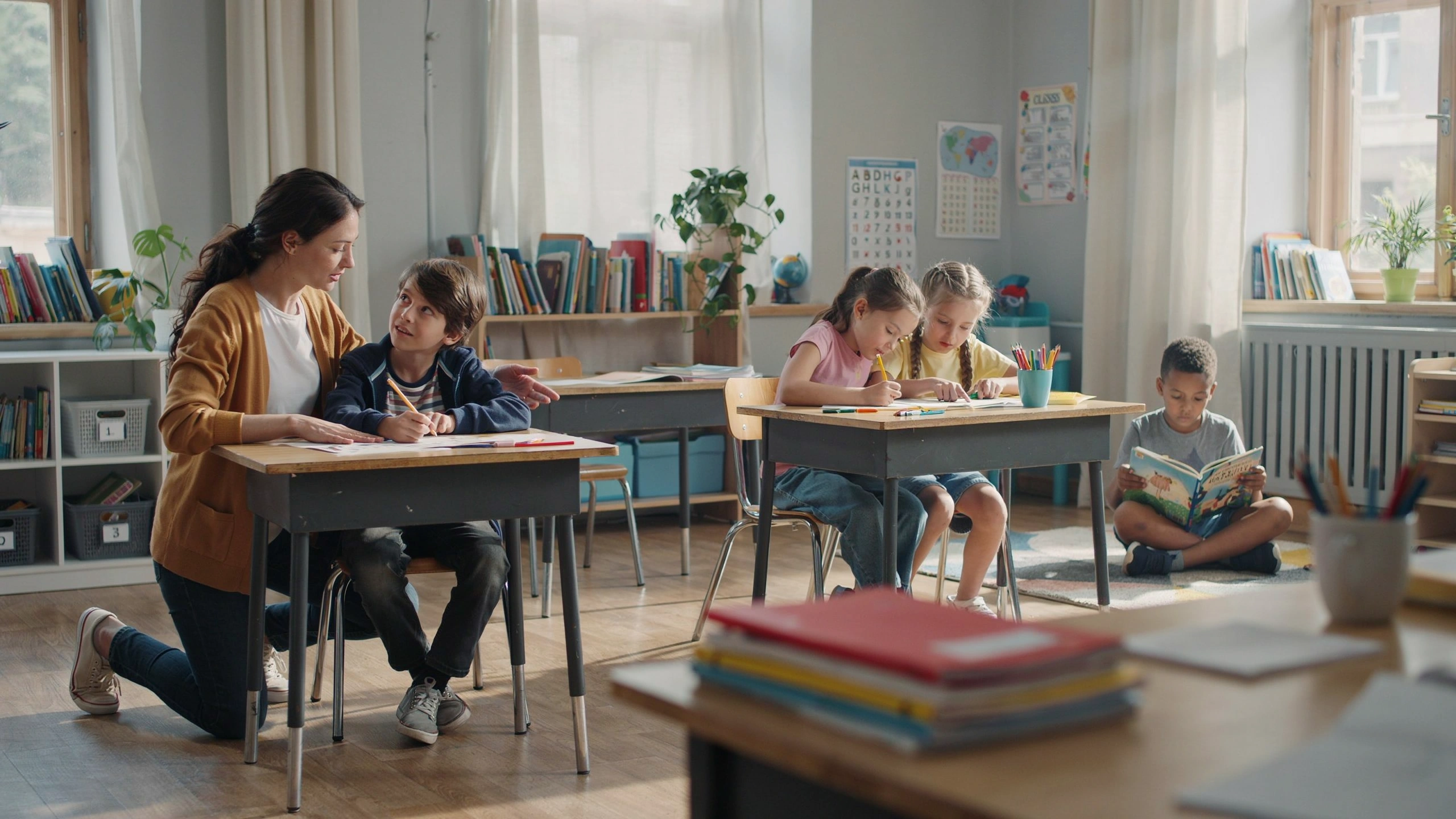
Introduction
Teachers are often the first adults outside the family to notice when a child is struggling to learn. Because they observe students daily in academic and social settings, teachers play a crucial role in identifying the early signs of learning disabilities. Early recognition can lead to timely interventions, helping children receive the support they need before frustration and low self-esteem take hold.
Recognizing these signs does not mean diagnosing a learning disability. Instead, it allows teachers to document concerns, communicate with parents, and recommend professional evaluations when necessary.
What Are Learning Disabilities?
Learning disabilities are neurological differences that affect how students process, understand, remember, or communicate information. They are not caused by a lack of intelligence, poor teaching, or insufficient effort.
Students with learning disabilities often have average or above-average intelligence but may struggle with specific academic skills such as reading, writing, mathematics, listening, or organizing information.
Why Early Identification Matters
When learning disabilities go unnoticed, students may:
- Fall behind academically.
- Lose confidence in their abilities.
- Develop anxiety about school.
- Avoid participating in classroom activities.
- Experience behavioral challenges caused by frustration.
Early intervention improves academic achievement, emotional well-being, and long-term educational outcomes.
Early Signs in Preschool and Kindergarten
Teachers working with young children should pay attention to developmental milestones. Possible warning signs include:
- Delayed speech or language development.
- Difficulty recognizing letters, numbers, or colors.
- Trouble learning nursery rhymes.
- Difficulty following simple instructions.
- Problems holding pencils or using scissors.
- Poor coordination during classroom activities.
- Difficulty remembering daily routines.
While occasional difficulties are normal, consistent patterns deserve closer observation.
Reading Difficulties
Reading challenges are among the most common indicators of learning disabilities.
A student may:
- Read significantly below grade level.
- Confuse similar letters such as b, d, p, and q.
- Skip words or lines while reading.
- Read very slowly.
- Have difficulty sounding out unfamiliar words.
- Avoid reading aloud.
- Struggle to understand what they have just read.
These may be early signs of dyslexia or other reading-related learning disabilities.
Writing Difficulties
Writing requires several skills working together, including language, memory, fine motor coordination, and organization.
Watch for students who:
- Have messy or inconsistent handwriting.
- Reverse letters or numbers beyond the expected age.
- Make frequent spelling errors.
- Have difficulty organizing ideas on paper.
- Write extremely short responses despite understanding the topic.
- Tire quickly during writing assignments.
These challenges may indicate dysgraphia or related learning difficulties.
Mathematics Difficulties
Some students experience persistent struggles with mathematical concepts despite receiving quality instruction.
Common signs include:
- Difficulty recognizing numbers.
- Trouble counting accurately.
- Difficulty remembering math facts.
- Confusion with mathematical symbols.
- Problems understanding place value.
- Difficulty solving word problems.
- Poor estimation and measurement skills.
These may suggest dyscalculia.
Attention and Organization Challenges
Although attention difficulties do not always indicate a learning disability, they often occur alongside one.
Teachers may notice students who:
- Frequently lose school materials.
- Forget homework assignments.
- Have trouble following multi-step instructions.
- Become easily distracted.
- Need repeated reminders to stay on task.
- Have difficulty planning or completing projects.
Careful observation helps distinguish between occasional distraction and ongoing learning challenges.
Social and Emotional Indicators
Learning disabilities affect more than academics. Many students also experience emotional and social difficulties.
Possible signs include:
- Avoiding classroom participation.
- Fear of making mistakes.
- Frequent frustration during lessons.
- Low self-confidence.
- Anxiety before tests.
- Giving up quickly when work becomes difficult.
- Comparing themselves negatively to classmates.
Teachers should create supportive environments where mistakes are viewed as opportunities to learn.
What Teachers Should Do
When concerns arise, teachers should:
1. Document Observations
Record specific examples of academic and behavioral difficulties over time.
2. Communicate with Parents
Share observations respectfully and focus on the child’s strengths as well as areas of concern.
3. Provide Classroom Support
Simple accommodations may include:
- Giving extra time for assignments.
- Breaking tasks into smaller steps.
- Using visual aids.
- Providing written and verbal instructions.
- Offering multisensory learning activities.
4. Collaborate with Specialists
Work closely with special education teachers, school psychologists, speech-language pathologists, and other professionals when additional support is needed.
Creating an Inclusive Classroom
An inclusive classroom benefits every student—not only those with learning disabilities.
Teachers can:
- Encourage peer collaboration.
- Differentiate instruction.
- Use multiple teaching methods.
- Celebrate diverse talents.
- Build a classroom culture based on respect and encouragement.
- Provide regular positive feedback.
When students feel accepted, they are more willing to take academic risks and develop resilience.
Conclusion
Teachers are in a unique position to recognize the early signs of learning disabilities and make a lasting difference in a child’s educational journey. By observing carefully, communicating openly with families, and implementing supportive teaching strategies, educators can help students overcome challenges and discover their strengths.
Early recognition is not about labeling children—it is about opening the door to understanding, support, and opportunity. With timely intervention and compassionate teaching, every learner has the chance to succeed.