
Introduction
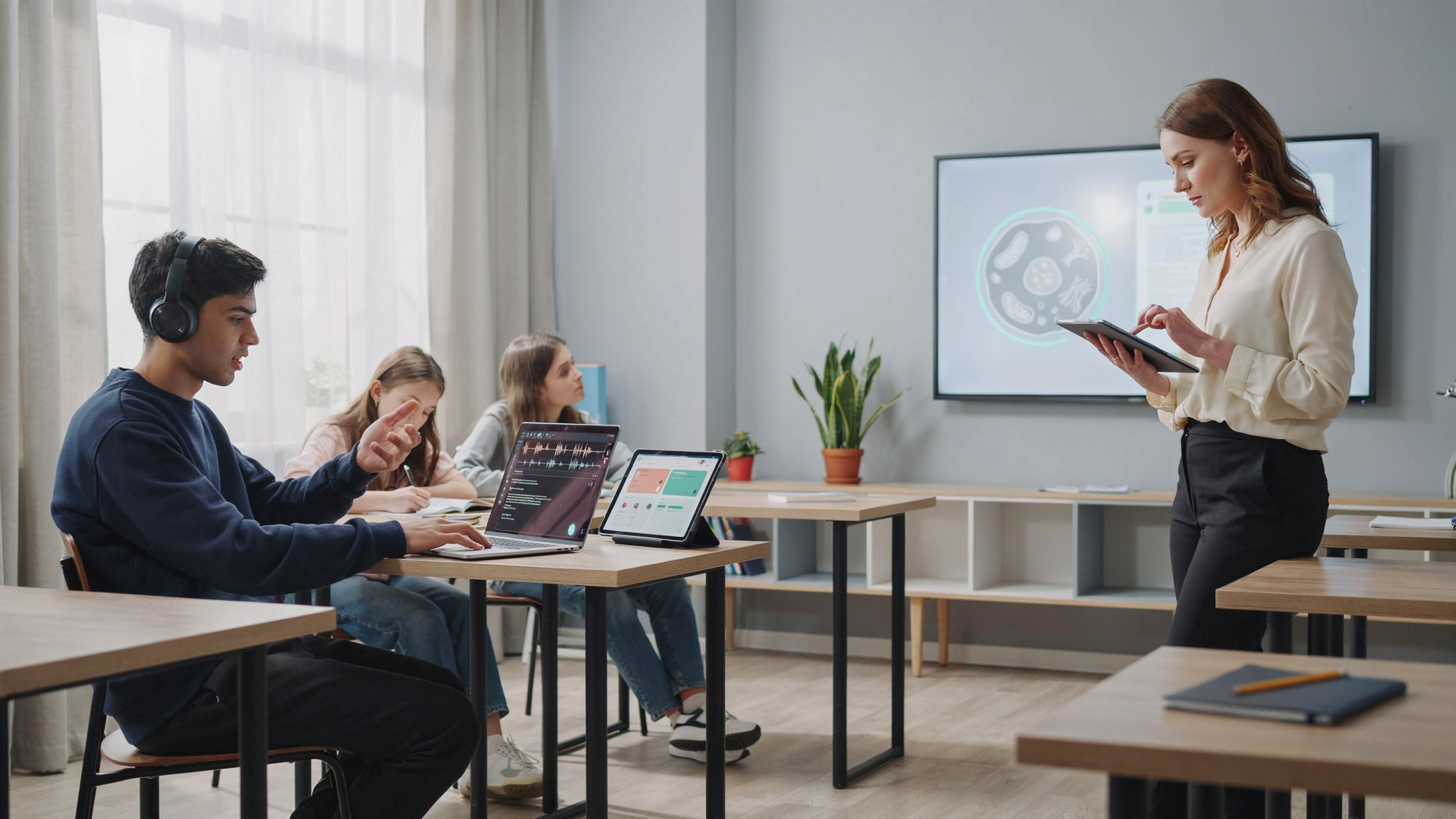
Technology has revolutionized nearly every aspect of modern life, and education is no exception. In special education, assistive technology has become a powerful tool that helps students with learning disabilities overcome challenges, participate more actively in the classroom, and achieve greater independence.
From text-to-speech software to interactive learning applications, assistive technology is changing the way students learn by providing personalized support that meets their unique needs. When used effectively, these tools help create more inclusive classrooms where every student has the opportunity to succeed.
What Is Assistive Technology?
Assistive technology (AT) refers to any device, software, or equipment that helps individuals with disabilities perform tasks that might otherwise be difficult.
In education, assistive technology supports students by improving access to learning materials, communication, organization, and academic performance.
Assistive technology can be as simple as a pencil grip or as advanced as artificial intelligence-powered learning software.
Why Assistive Technology Matters
Students with learning disabilities often face barriers that traditional teaching methods cannot fully address.
Assistive technology helps by:
- Increasing access to educational content.
- Reducing frustration during learning.
- Encouraging independence.
- Improving classroom participation.
- Supporting individualized learning.
- Building confidence and motivation.
Rather than replacing instruction, assistive technology enhances teaching and allows students to demonstrate their true abilities.
Types of Assistive Technology
Text-to-Speech Software
Text-to-speech (TTS) programs read digital text aloud.
These tools are especially helpful for students with dyslexia or reading difficulties because they allow learners to:
- Listen while following the text.
- Improve reading comprehension.
- Access grade-level materials.
- Reduce reading fatigue.
Examples include built-in accessibility features found on many computers, tablets, and smartphones.
Speech-to-Text Software
Speech-to-text technology converts spoken words into written text.
Students with dysgraphia or physical disabilities can:
- Dictate essays.
- Complete assignments more efficiently.
- Express ideas without handwriting barriers.
- Participate more confidently in writing activities.
This technology allows students to focus on their ideas instead of struggling with the mechanics of writing.
Audiobooks
Audiobooks provide another way for students to access literature and educational materials.
Benefits include:
- Improved vocabulary development.
- Better comprehension.
- Increased enjoyment of reading.
- Access to age-appropriate books regardless of reading level.
Listening while reading printed text can also strengthen literacy skills.
Word Prediction Software
Word prediction programs suggest words as students type.
These tools help students:
- Improve spelling.
- Write more efficiently.
- Expand vocabulary.
- Reduce frustration during writing tasks.
They are particularly useful for learners with dyslexia and dysgraphia.
Graphic Organizers
Digital graphic organizers help students structure information visually.
Students can organize:
- Story elements.
- Essays.
- Research projects.
- Science concepts.
- Problem-solving processes.
Visual organization improves understanding and memory.
Reading and Writing Apps
Educational apps provide interactive learning experiences through games, videos, quizzes, and personalized practice.
Many apps adapt to each student’s progress, allowing learners to work at their own pace while receiving immediate feedback.
Artificial Intelligence in Special Education
Artificial intelligence (AI) is becoming an increasingly valuable tool in special education.
AI-powered systems can:
- Personalize learning activities.
- Adjust lesson difficulty automatically.
- Provide instant feedback.
- Monitor student progress.
- Recommend targeted interventions.
- Translate content into multiple formats.
These adaptive systems help teachers better meet individual learning needs while saving valuable instructional time.
Benefits for Teachers
Assistive technology also supports educators by helping them:
- Differentiate instruction.
- Track student progress.
- Create accessible learning materials.
- Reduce administrative workload.
- Offer individualized support more efficiently.
Technology allows teachers to spend more time building meaningful relationships with students.
Benefits for Families
Parents can use assistive technology at home to reinforce classroom learning.
Technology helps families:
- Support homework completion.
- Encourage independent reading.
- Improve communication with schools.
- Monitor learning progress.
- Build consistent learning routines.
When home and school use similar tools, students experience greater continuity in their education.
Choosing the Right Technology
Not every tool is appropriate for every student.
When selecting assistive technology, educators should consider:
- The student’s strengths and challenges.
- Age and developmental level.
- Academic goals.
- Ease of use.
- Classroom compatibility.
- Ongoing technical support.
The best technology is the one that addresses a student’s specific learning needs while encouraging independence.
Challenges to Implementation
Although assistive technology offers many advantages, schools may face challenges such as:
- Limited funding.
- Insufficient teacher training.
- Unequal access to devices.
- Technical difficulties.
- Resistance to adopting new technologies.
Professional development and thoughtful planning can help schools overcome these obstacles.
The Future of Assistive Technology
Emerging technologies continue to expand opportunities for students with learning disabilities.
Future innovations may include:
- More advanced AI tutors.
- Virtual reality learning experiences.
- Augmented reality educational tools.
- Wearable assistive devices.
- Personalized adaptive learning platforms.
- Improved accessibility features in everyday technology.
As these innovations evolve, education will become even more inclusive and responsive to individual learners.
Conclusion
Assistive technology is transforming special education by making learning more accessible, engaging, and personalized. From simple classroom tools to advanced AI-powered applications, technology empowers students with learning disabilities to participate fully in their education and achieve greater independence.
While technology cannot replace skilled teachers or supportive families, it serves as a powerful partner in the learning process. By embracing assistive technology, schools can create inclusive environments where every student has the opportunity to learn, grow, and reach their full potential.