
Introduction
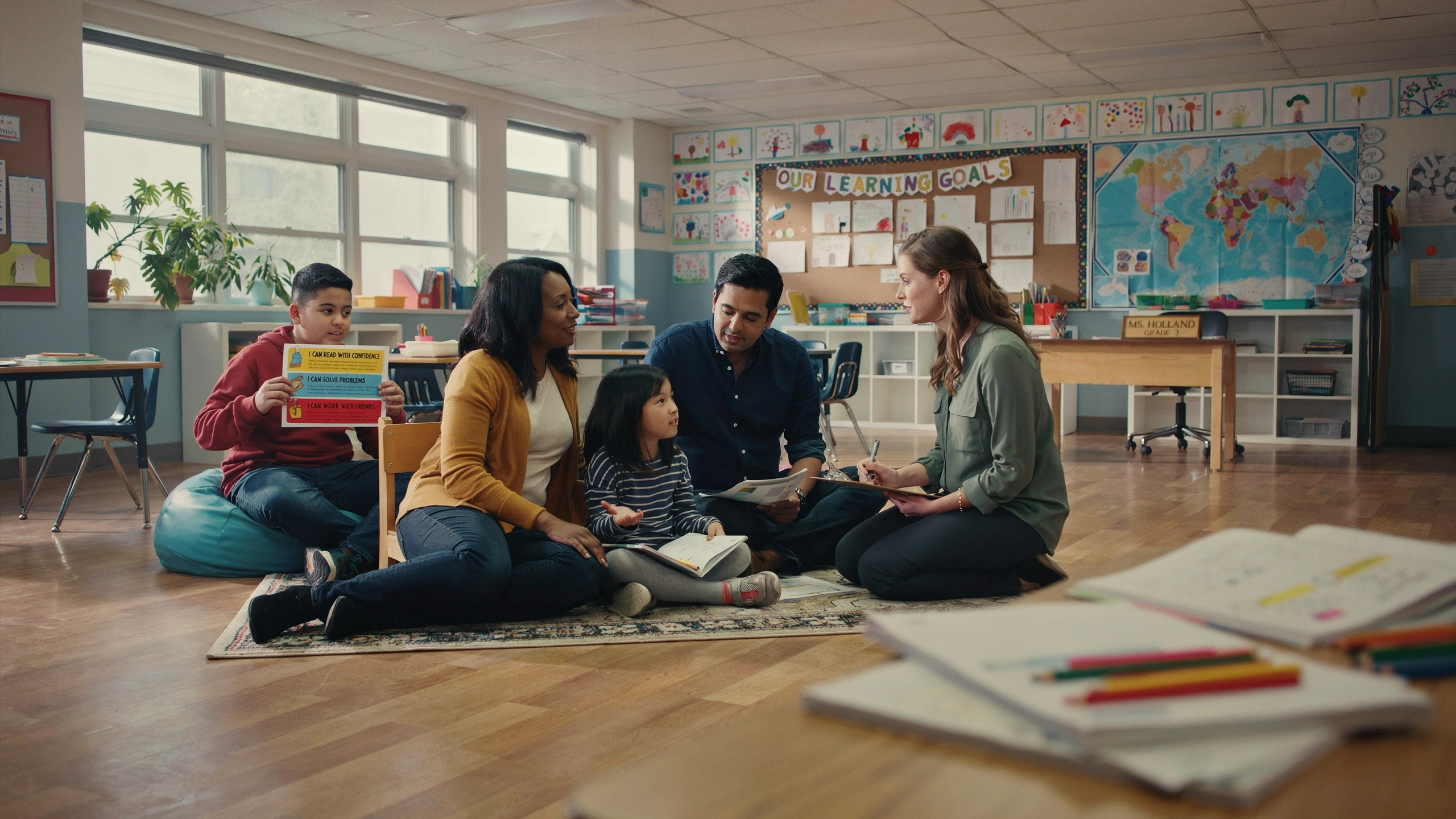
Inclusive education is most successful when schools and families work together as partners. While teachers provide instruction and support in the classroom, families offer valuable insights into their children’s strengths, interests, cultures, and individual needs. When educators and families collaborate, students receive consistent encouragement, guidance, and opportunities to succeed both at school and at home.
Family engagement goes beyond attending parent-teacher conferences or school events. It involves building meaningful, respectful relationships in which families are active participants in their children’s education. In inclusive schools, every family is welcomed, valued, and encouraged to contribute to the learning community.
What Is Family Engagement?
Family engagement is the ongoing collaboration between schools and families to support students’ academic, social, emotional, and personal development.
Effective family engagement includes:
- Regular communication.
- Shared decision-making.
- Mutual respect.
- Active participation in school activities.
- Collaboration on student learning goals.
- Recognition of family knowledge and experiences.
Rather than viewing families as observers, inclusive schools recognize them as essential educational partners.
Why Family Engagement Matters
Research consistently shows that students achieve better outcomes when families are actively involved in their education.
Strong family engagement can lead to:
- Higher academic achievement.
- Improved attendance.
- Better classroom behavior.
- Increased motivation.
- Stronger self-confidence.
- Greater emotional well-being.
- More positive relationships between home and school.
These benefits extend to students of all ages and backgrounds.
1. Build Trusting Relationships
Trust is the foundation of successful family-school partnerships.
Teachers can build trust by:
- Greeting families warmly.
- Listening respectfully to their concerns.
- Recognizing family strengths.
- Maintaining confidentiality.
- Following through on commitments.
When families feel respected, they are more likely to engage in their children’s education.
2. Communicate Regularly and Clearly
Open communication helps families stay informed and involved.
Teachers can communicate through:
- Emails.
- Phone calls.
- School communication apps.
- Newsletters.
- Parent-teacher conferences.
- Classroom websites.
Communication should be clear, respectful, and focused on both student successes and areas for growth.
3. Respect Cultural and Linguistic Diversity
Inclusive schools recognize and celebrate the diverse backgrounds of their families.
Teachers can:
- Provide translated materials when possible.
- Use interpreters during meetings.
- Learn about families’ cultural traditions.
- Respect different communication styles.
- Celebrate multilingualism.
Respecting diversity strengthens relationships and promotes belonging.
4. Involve Families in Learning
Families can support learning in many ways beyond helping with homework.
Schools can encourage families to:
- Read with their children.
- Discuss school experiences.
- Visit libraries and museums.
- Participate in educational games.
- Encourage curiosity and problem-solving.
- Celebrate learning achievements.
Everyday learning experiences reinforce classroom instruction.
5. Include Families in Decision-Making
Families have valuable perspectives on their children’s educational needs.
Schools can involve families by:
- Inviting them to planning meetings.
- Seeking input on learning goals.
- Including them in school committees.
- Asking for feedback through surveys.
- Consulting families when developing support plans.
Shared decision-making leads to more effective educational outcomes.
6. Support Families of Students with Disabilities
Families of students with disabilities often face additional challenges.
Schools can provide support by:
- Explaining available services.
- Sharing community resources.
- Offering guidance on assistive technology.
- Encouraging collaboration with specialists.
- Celebrating student progress together.
Strong partnerships help ensure consistent support across home and school.
7. Create Welcoming School Environments
Families are more likely to participate when they feel welcomed.
Schools can:
- Organize family events.
- Offer flexible meeting times.
- Provide childcare during meetings when possible.
- Ensure physical accessibility.
- Display welcoming multilingual signage.
An inviting atmosphere encourages greater family involvement.
8. Recognize Families as Experts
Parents and caregivers know their children better than anyone else.
Teachers should value family insights about:
- Learning preferences.
- Interests and hobbies.
- Cultural traditions.
- Strengths.
- Challenges.
- Long-term goals.
Listening to families helps educators provide more personalized support.
9. Use Technology to Strengthen Communication
Digital tools make family engagement more accessible.
Schools can use:
- Messaging apps.
- Video conferencing.
- Digital portfolios.
- Online learning platforms.
- Electronic newsletters.
- Shared calendars.
Technology helps maintain regular communication, especially for busy families.
10. Evaluate and Improve Family Engagement
Schools should regularly assess the effectiveness of their family engagement efforts.
Questions to consider include:
- Do all families feel welcomed?
- Are communication methods accessible?
- Are families represented in school decisions?
- What barriers limit participation?
- How can partnerships be strengthened?
Continuous reflection supports ongoing improvement.
Common Challenges
Schools may encounter challenges such as:
- Language barriers.
- Busy family schedules.
- Transportation difficulties.
- Limited access to technology.
- Differences in cultural expectations.
Flexible communication, cultural sensitivity, and creative solutions help overcome these barriers.
Benefits Beyond School
Strong family engagement helps students develop lifelong skills, including:
- Responsibility.
- Confidence.
- Communication.
- Motivation.
- Resilience.
- Positive attitudes toward learning.
- Stronger relationships.
Schools also benefit from increased trust, improved collaboration, and stronger community connections.
Conclusion
Family engagement is one of the most powerful foundations of successful inclusive education. When educators and families work together with mutual respect, open communication, and shared goals, students receive the consistent support they need to thrive academically, socially, and emotionally.
Inclusive education is not the responsibility of schools alone. It is a partnership built on trust, collaboration, and a shared commitment to every child’s success. By welcoming families as active partners and valuing their unique contributions, schools create inclusive communities where every student feels supported, every family feels respected, and every learner has the opportunity to reach their full potential.