
Introduction
Education is not only about academic achievement; it is also about preparing students for meaningful, independent, and fulfilling lives. For students with Autism Spectrum Disorder (ASD), developing life skills is an essential part of education because these skills support confidence, self-management, communication, and participation in everyday activities.
Life skills education helps autistic students become more independent by teaching practical abilities that they can use at school, at home, and in their communities. With appropriate support and structured teaching, students with autism can develop important skills and increase their ability to make choices and manage daily responsibilities.
1. Understanding Life Skills Education
Life skills are abilities that help individuals manage daily tasks and participate successfully in society.
They include:
- Personal care skills.
- Communication skills.
- Social skills.
- Decision-making skills.
- Problem-solving skills.
- Household skills.
- Community skills.
- Workplace skills.
For autistic students, life skills education should be adapted according to individual abilities, needs, and future goals.
2. Why Independence Is Important for Students with Autism
Independence allows students to:
- Make choices.
- Express preferences.
- Participate in daily activities.
- Build confidence.
- Develop self-esteem.
- Reduce dependence on others.
Independence does not mean doing everything alone. It means having the skills, tools, and support needed to participate actively in life.
3. Identifying Individual Strengths and Needs
Every autistic student has a unique learning profile.
Before teaching life skills, educators should consider:
Current Abilities
What can the student already do independently?
Example:
- Dressing.
- Communicating needs.
- Following routines.
Areas for Development
Which skills require additional support?
Example:
- Preparing meals.
- Managing time.
- Using money.
Personal Interests and Goals
Teaching becomes more effective when connected to the student’s interests.
Example:
A student interested in cooking may learn:
- Reading recipes.
- Measuring ingredients.
- Following instructions.
4. Teaching Self-Care Skills
Self-care skills help students manage personal needs.
Important areas include:
Personal Hygiene
Students can learn:
- Washing hands.
- Brushing teeth.
- Taking showers.
- Caring for personal appearance.
Teachers can use:
- Visual sequences.
- Step-by-step instructions.
- Demonstrations.
Example:
Hand Washing Steps
- Turn on water.
- Use soap.
- Rub hands.
- Rinse.
- Dry hands.
Dressing Skills
Students can practice:
- Choosing clothes.
- Dressing independently.
- Organizing personal belongings.
Visual guides can make routines easier to understand.
5. Developing Communication Independence
Communication is essential for independence.
Students need to learn how to:
- Express needs.
- Ask questions.
- Request help.
- Make choices.
- Share opinions.
Communication methods may include:
- Speech.
- Gestures.
- Pictures.
- Communication devices.
The important goal is that students have a reliable way to express themselves.
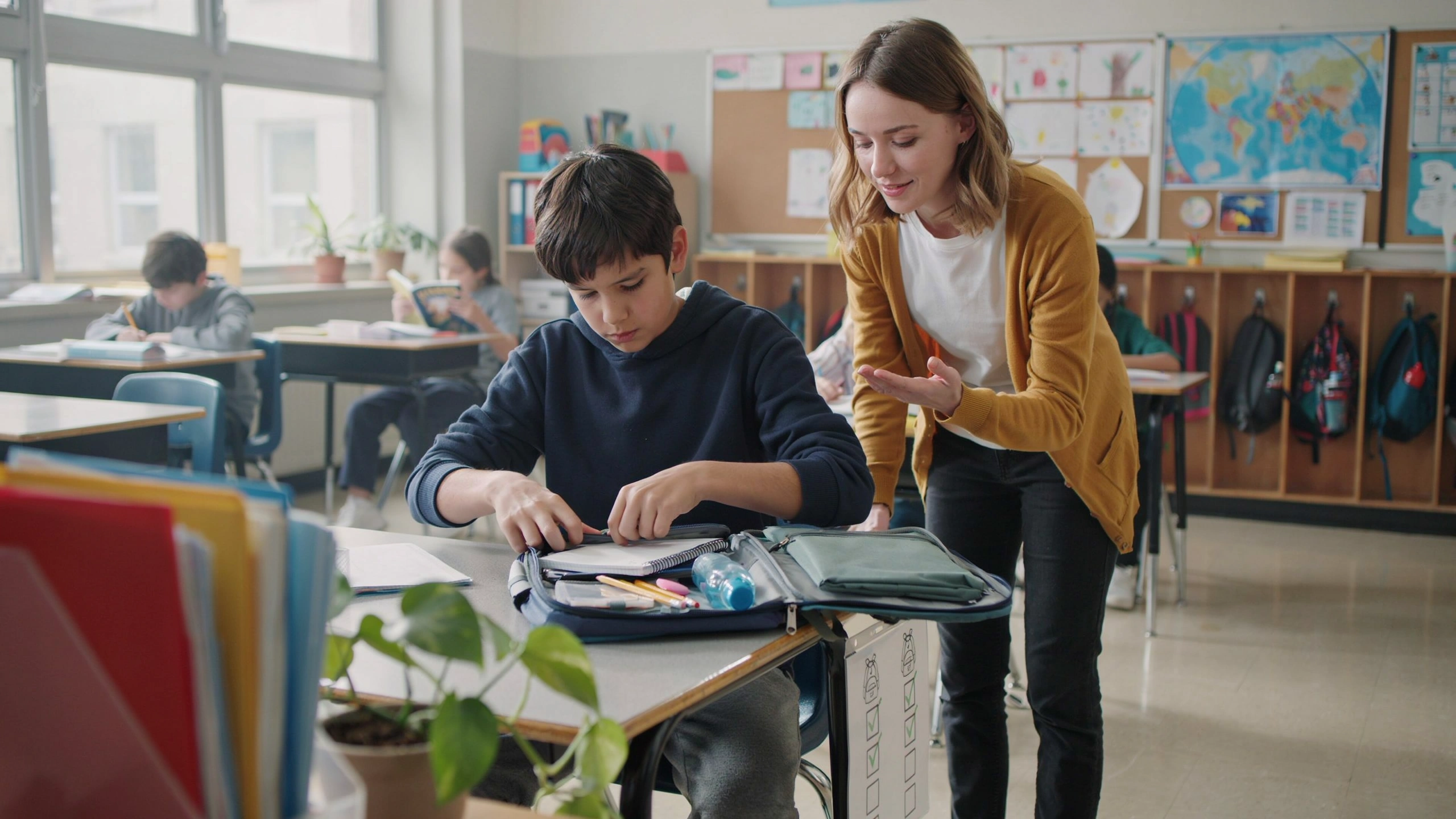
6. Teaching Organization and Time Management
Many autistic students benefit from explicit instruction in organization.
Useful strategies include:
Using Checklists
Example:
School Bag Checklist:
☐ Notebook
☐ Pencil case
☐ Homework
☐ Water bottle
Following Schedules
Students can learn to manage routines using:
- Visual schedules.
- Calendars.
- Digital reminders.
Understanding Time
Teachers can use:
- Timers.
- Clocks.
- Daily planners.
These tools support independence in completing tasks.
7. Developing Household Skills
Practical household skills prepare students for greater independence.
Examples include:
Food Preparation
Students can learn:
- Preparing simple meals.
- Using kitchen tools safely.
- Following recipes.
Cleaning Skills
Examples:
- Organizing personal spaces.
- Washing dishes.
- Sorting laundry.
Home Organization
Students can practice:
- Putting items away.
- Maintaining routines.
- Managing belongings.
8. Teaching Community and Safety Skills
Community skills help students participate safely outside school.
Important skills include:
Safety Awareness
Students can learn:
- Recognizing dangerous situations.
- Asking for help.
- Following safety rules.
Using Public Spaces
Examples:
- Visiting shops.
- Using transportation.
- Following public rules.
Money Skills
Students can practice:
- Recognizing money.
- Making purchases.
- Understanding prices.
9. Supporting Social Independence
Social skills contribute to independence.
Students can learn:
- Greeting others.
- Starting conversations.
- Understanding social situations.
- Respecting personal space.
Social independence helps students participate in:
- School activities.
- Community events.
- Workplace environments.
10. Using Visual Supports to Teach Life Skills
Visual supports are highly effective for many autistic learners.
Examples:
Task Analysis
Breaking a skill into small steps.
Example:
Making Tea:
- Fill the cup.
- Heat water.
- Add tea bag.
- Pour water.
- Clean materials.
Picture Guides
Photos or symbols can show each step of a routine.
Visual supports increase understanding and reduce dependence on adult instructions.
11. Using Technology to Promote Independence
Technology can support daily living skills.
Examples:
- Reminder applications.
- Digital schedules.
- Step-by-step instructional videos.
- Smart devices.
A student can use a tablet to:
- Check daily tasks.
- Set reminders.
- Follow routines independently.
12. Encouraging Decision-Making Skills
Independence includes making choices.
Teachers can provide opportunities for students to decide:
- What activity to complete.
- Which materials to use.
- What goals to work toward.
Choice-making develops:
- Confidence.
- Responsibility.
- Self-advocacy.
13. The Role of Families in Life Skills Education
Families play an important role in practicing independence at home.
They can support by:
- Encouraging participation in household tasks.
- Providing consistent routines.
- Allowing students to try tasks independently.
- Celebrating progress.
Small daily opportunities create long-term growth.
14. Avoiding Over-Support
Sometimes adults provide too much help because they want to protect students.
However, excessive assistance can reduce independence.
Educators should:
- Provide support when needed.
- Allow students time to try.
- Reduce help gradually.
- Encourage problem-solving.
The goal is support toward independence, not permanent dependence.
15. Preparing Students for the Future
Life skills education helps prepare autistic students for:
- Further education.
- Employment.
- Community participation.
- Independent living.
Early preparation allows students to develop skills gradually over time.
Conclusion
Promoting independence through life skills education is a vital part of autism education. By teaching self-care, communication, organization, social skills, and practical daily activities, educators empower students with autism to participate more fully in their communities.
Independence develops through patience, practice, and appropriate support. When schools and families work together, autistic students can build confidence, make meaningful choices, and achieve greater autonomy in their lives.