
Introduction
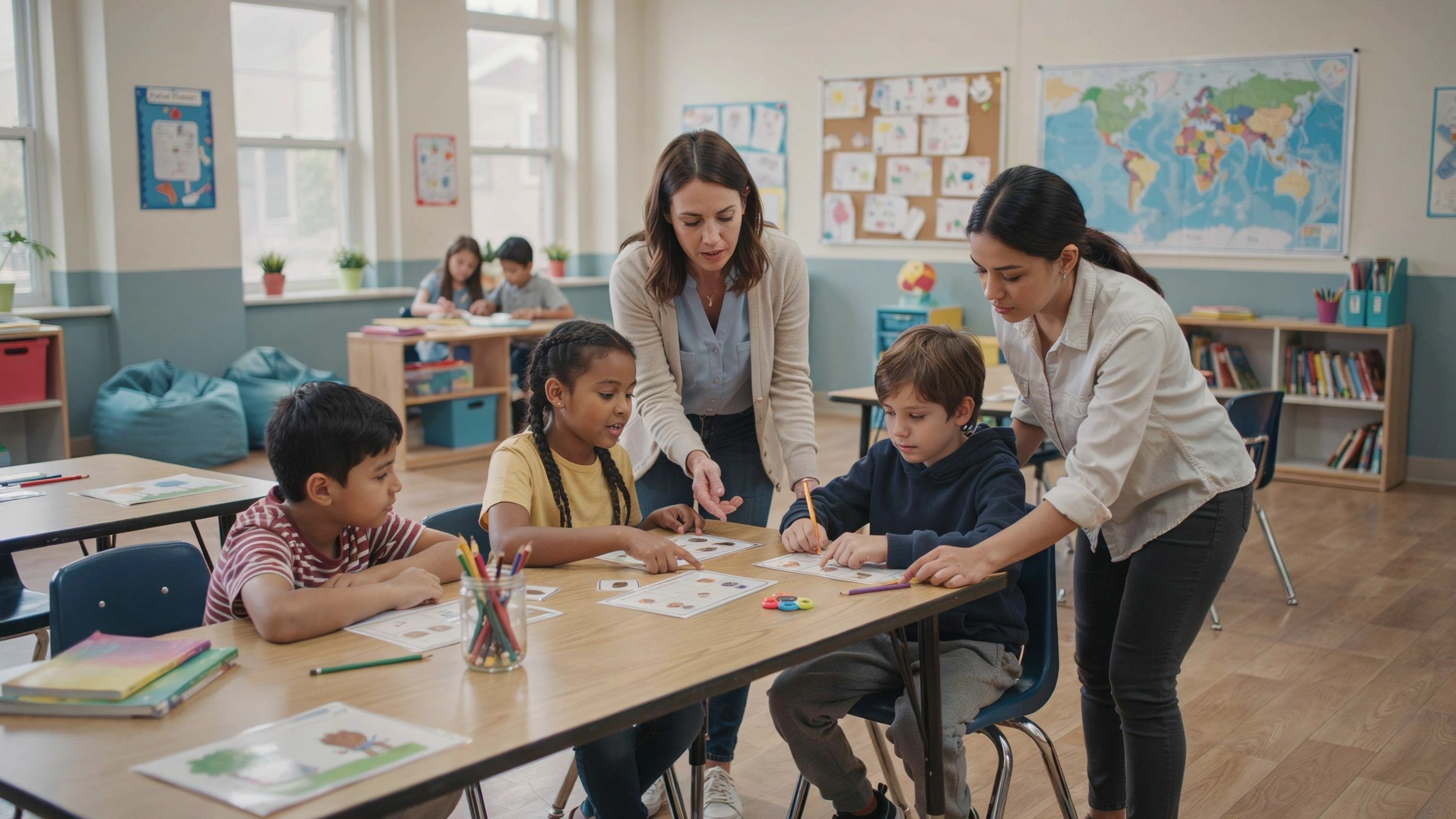
Education is most effective when teachers work together to support every learner. For students with Autism Spectrum Disorder (ASD), collaboration between general education teachers, special education professionals, families, and specialists can create a more inclusive and supportive learning experience.
Collaborative teaching allows educators to combine their knowledge, share responsibilities, and develop strategies that address the academic, social, emotional, and communication needs of autistic students.
Rather than placing responsibility on one person, collaboration creates a team approach where everyone works toward the same goal: helping students with autism succeed.
1. What Is Collaborative Teaching?
Collaborative teaching is an educational approach where two or more professionals work together to plan, teach, and assess students.
In autism education, collaboration may involve:
- General education teachers.
- Special education teachers.
- Teaching assistants.
- Speech-language therapists.
- Occupational therapists.
- School psychologists.
- Parents and caregivers.
Each person contributes unique knowledge and skills to support the student’s development.
2. Why Collaboration Is Important for Students with Autism
Autistic students often have diverse needs that involve different areas of development.
A student may need support with:
- Academic learning.
- Communication.
- Social interaction.
- Sensory regulation.
- Emotional management.
- Independence skills.
No single educator can address every area alone. Collaboration allows the team to create a complete understanding of the student and provide consistent support.
3. Benefits of Collaborative Teaching
a. Creating More Inclusive Classrooms
Collaboration helps students with autism participate more fully in general education settings.
Teachers can work together to:
- Adapt lessons.
- Provide appropriate accommodations.
- Encourage participation.
- Support peer relationships.
An inclusive classroom benefits all students by promoting acceptance and diversity.
b. Sharing Professional Expertise
Different educators bring different strengths.
For example:
A general education teacher may provide expertise in:
- Curriculum content.
- Classroom management.
- Subject instruction.
A special education teacher may provide expertise in:
- Autism strategies.
- Individualized support.
- Learning adaptations.
Together, they create stronger teaching approaches.
c. Providing Consistent Support
Consistency is especially important for many autistic learners.
When teachers collaborate, they can agree on:
- Communication strategies.
- Classroom expectations.
- Behavior supports.
- Learning routines.
Using similar approaches across environments helps students understand expectations more easily.
d. Improving Academic Achievement
Collaborative teaching allows educators to adapt instruction according to student needs.
Strategies may include:
- Breaking tasks into smaller steps.
- Using visual supports.
- Providing alternative ways to demonstrate learning.
- Adjusting teaching methods.
Example:
During a science lesson:
- One teacher explains the concept.
- Another teacher provides visual support and individual assistance.
This allows more students to access the lesson.
e. Supporting Social Development
Social skills are an important part of autism education.
Collaborative teams can create opportunities for:
- Group activities.
- Peer interactions.
- Cooperative learning.
- Communication practice.
Teachers can design activities where autistic students participate meaningfully with classmates.
f. Improving Communication Between Professionals
Effective collaboration requires regular communication.
Teachers can share:
- Student progress.
- Successful strategies.
- Challenges.
- New goals.
Methods include:
- Team meetings.
- Shared planning documents.
- Progress reports.
- Parent communication.
Good communication prevents misunderstandings and improves support.
4. Models of Collaborative Teaching
Different schools use different collaboration models.
a. One Teach, One Assist
One teacher leads the lesson while another provides support.
Example:
- Teacher explains mathematics.
- Support teacher helps students who need additional assistance.
b. Team Teaching
Both teachers share responsibility for instruction.
Example:
Two teachers explain different parts of a lesson and guide activities together.
c. Station Teaching
Students rotate between learning stations.
Example:
Station 1:
Reading activity.
Station 2:
Hands-on practice.
Station 3:
Individual support.
This allows teachers to provide targeted instruction.
d. Parallel Teaching
The class is divided into smaller groups.
Each teacher teaches the same lesson to a smaller number of students.
Benefits:
- More interaction.
- More opportunities to participate.
- Better teacher support.
e. Alternative Teaching
One teacher works with a smaller group needing additional support while the other teaches the main group.
This can help students who need extra explanation or practice.
5. Collaboration with Families
Families are essential members of the educational team.
Parents can provide information about:
- Their child’s interests.
- Communication style.
- Strengths.
- Successful strategies at home.
Teachers and families can work together by:
- Sharing updates.
- Setting common goals.
- Supporting consistent routines.
Strong family partnerships improve student outcomes.
6. Collaboration with Specialists
Specialists provide valuable support.
Speech-Language Therapists
They help develop:
- Communication skills.
- Language abilities.
- Alternative communication methods.
Occupational Therapists
They support:
- Sensory needs.
- Fine motor skills.
- Independence.
Psychologists and Behavioral Specialists
They may help with:
- Emotional regulation.
- Learning strategies.
- Behavior support plans.
7. Challenges of Collaborative Teaching
Although collaboration has many benefits, challenges may occur.
Limited Planning Time
Teachers may struggle to find time to meet.
Solution:
- Schedule regular collaboration periods.
- Use shared planning tools.
Different Teaching Approaches
Professionals may have different perspectives.
Solution:
- Focus on student needs.
- Respect different expertise.
- Communicate openly.
Lack of Training
Some educators may feel uncertain about autism support.
Solution:
- Provide professional development.
- Share successful strategies.
8. Best Practices for Effective Collaboration
Successful collaboration requires:
Clear Communication
Everyone should understand:
- Roles.
- Responsibilities.
- Goals.
Shared Decision-Making
All team members should contribute ideas.
Respect and Trust
Effective teamwork depends on valuing each person’s knowledge.
Focus on Student Strengths
The team should recognize abilities, not only challenges.
9. The Long-Term Impact of Collaboration
Collaborative teaching helps students develop:
- Academic skills.
- Communication abilities.
- Confidence.
- Independence.
- Social connections.
It also creates a school culture where diversity is valued and every student feels included.
Conclusion
Collaborative teaching is a powerful approach for supporting students with autism. By bringing together the expertise of teachers, specialists, and families, schools can create more effective, inclusive, and personalized learning experiences.
When educators work as a team, autistic students receive stronger support, develop essential skills, and have greater opportunities to participate and succeed.
Collaboration is not simply a teaching method; it is a commitment to ensuring that every learner has the opportunity to reach their full potential.