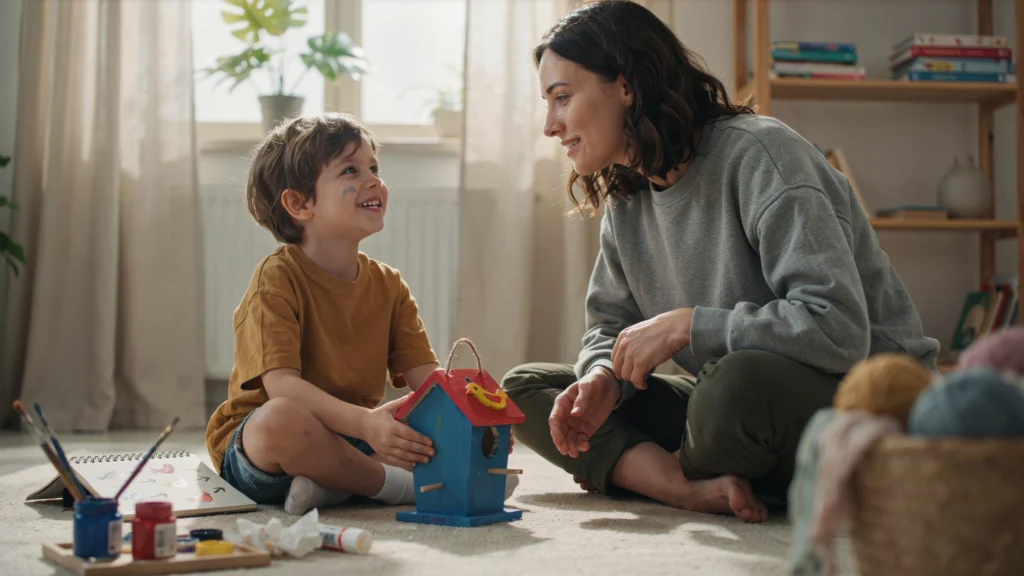
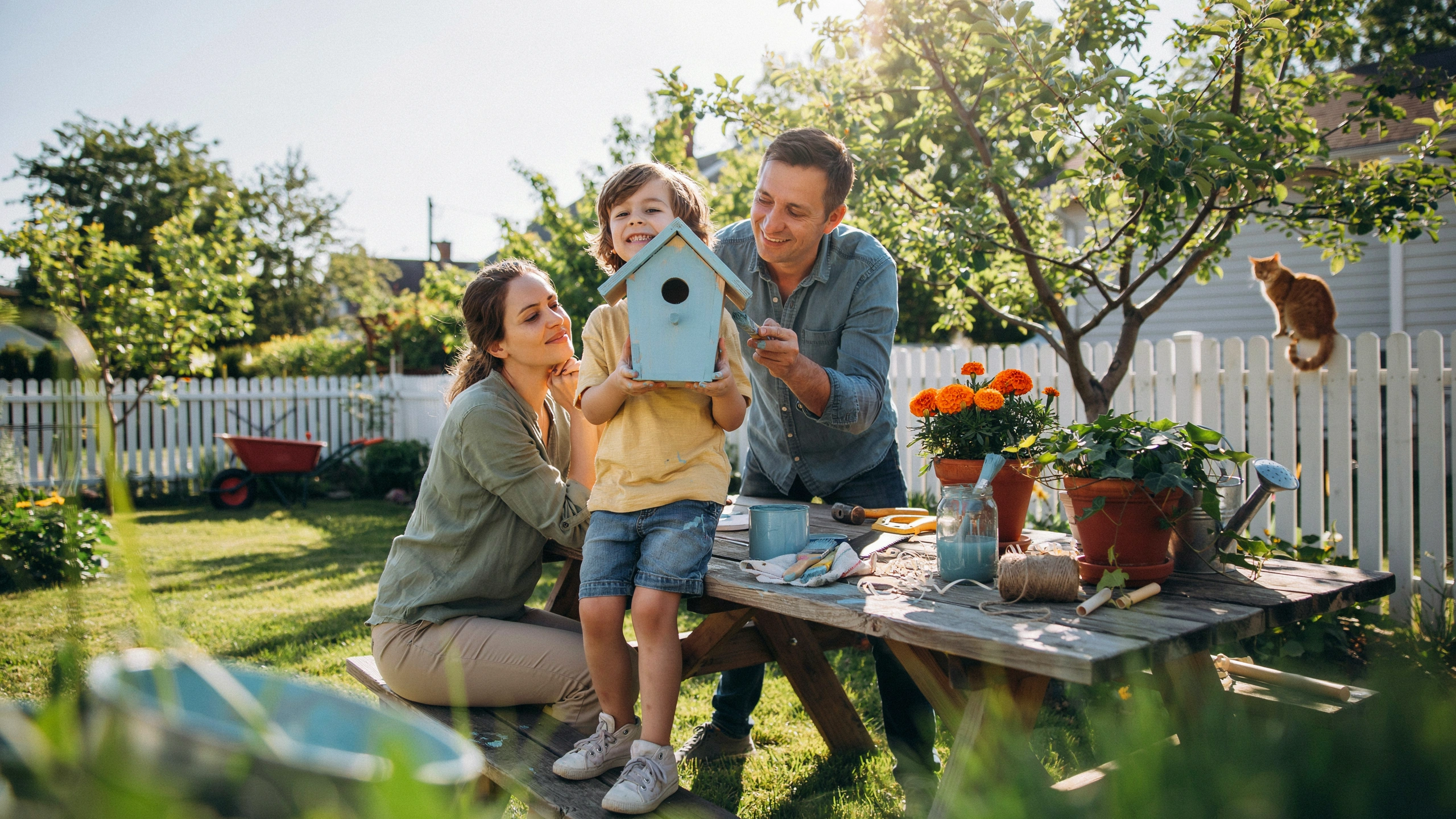
Children gain confidence not only by learning new information but also by applying what they know. Hands-on learning allows children to explore, experiment, create, and solve problems through direct experience. Whether they are building a birdhouse, planting a garden, baking cookies, or completing a craft project, these activities help them develop practical skills while strengthening their self-confidence.
Unlike passive learning, hands-on experiences encourage children to take an active role in discovering how things work. Every completed project becomes proof that they are capable of learning, improving, and achieving their goals.
Why Hands-On Learning Builds Confidence
Children feel proud when they can create something with their own hands. Instead of simply hearing about a concept, they experience it firsthand.
Hands-on learning helps children:
- Develop independence.
- Strengthen problem-solving skills.
- Improve critical thinking.
- Build perseverance.
- Increase creativity.
- Gain confidence through accomplishment.
Each success, no matter how small, encourages children to believe in their abilities.
Learning by Doing
Children naturally learn through exploration. Activities that involve touching, building, experimenting, and creating often leave stronger impressions than lectures alone.
Simple examples include:
- Growing vegetables in a small garden.
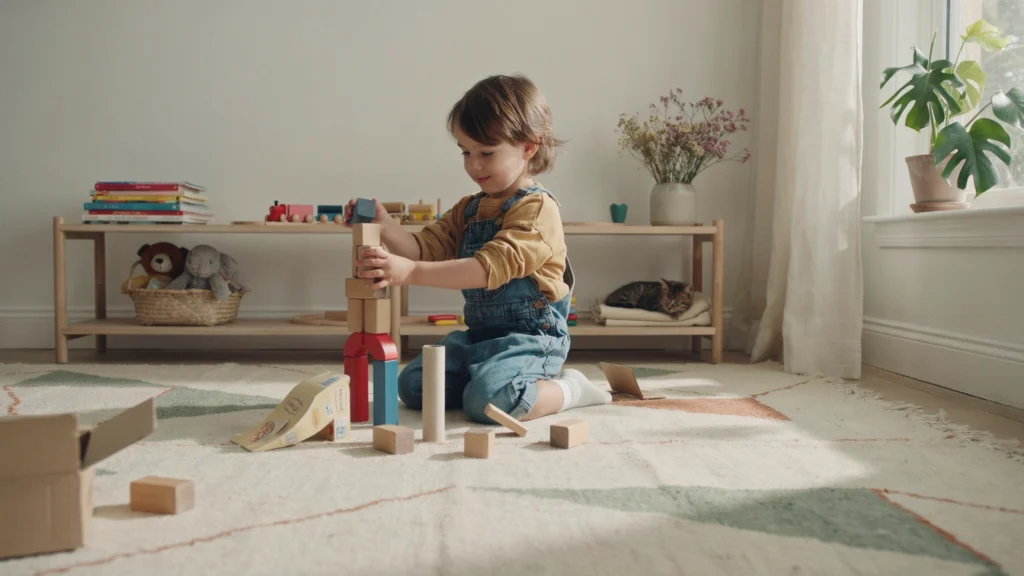
- Building structures with blocks or recycled materials.
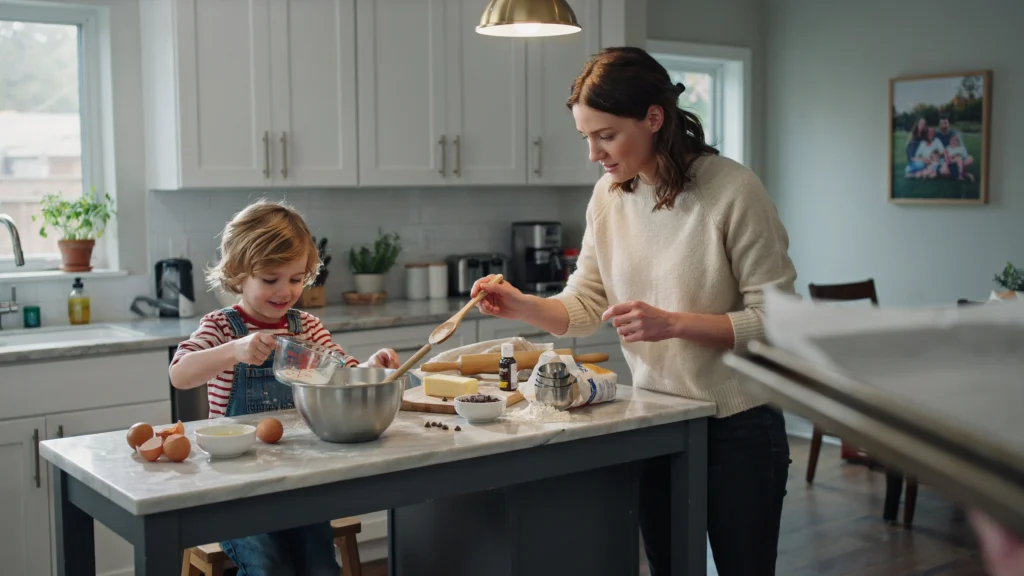
- Baking simple recipes together.
- Creating artwork from natural objects.
- Constructing paper airplanes and testing different designs.
These activities combine learning with curiosity and fun.
Encourage Independent Projects
Giving children ownership of a project helps them develop responsibility and confidence.
Ideas include:
- Designing a small garden.
- Creating a scrapbook.
- Building a model from recycled materials.
- Planning a family picnic.
- Organizing a toy shelf.
Allow children to make decisions and solve challenges on their own while offering guidance when needed.
Celebrate the Process
Not every project will turn out perfectly, and that’s part of learning.
Instead of focusing only on the final result, praise the effort behind it.
For example, say:
- “I noticed how carefully you planned your project.”
- “You kept trying until you found a solution.”
- “I’m proud of how patient you were.”
- “You learned something new today.”
Recognizing persistence helps children become more resilient.
Turn Everyday Tasks into Learning Opportunities
Many household activities provide valuable hands-on experiences.
Children can help with:
- Preparing meals.
- Folding laundry.
- Measuring ingredients.
- Washing vegetables.
- Fixing simple household items.
- Organizing books or toys.
These practical experiences teach life skills while building confidence and responsibility.
Encourage Creative Problem-Solving
Hands-on learning often involves unexpected challenges.
If a tower falls or a craft doesn’t work as planned, encourage children to ask:
- What happened?
- What could we change?
- Is there another way to solve this?
- What can we learn from this experience?
These questions help children see obstacles as opportunities rather than failures.
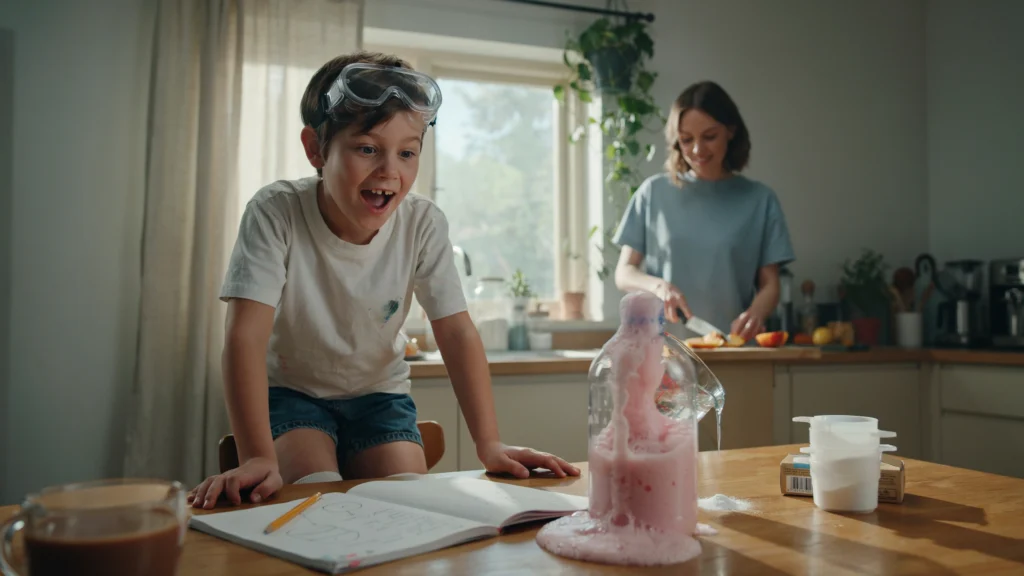
Explore Science Through Experiments
Simple science activities allow children to investigate the world around them.
Try experiments such as:
- Growing crystals.
- Creating a homemade volcano.
- Observing magnets.
- Testing objects that float or sink.
- Making a simple weather station.
Hands-on science encourages curiosity and builds confidence in asking questions.
Support Teamwork and Collaboration
Some projects are even more enjoyable when completed together.
Family or group activities can include:
- Building a fort.
- Planting flowers.
- Painting a mural.
- Completing a large puzzle.
- Constructing a bird feeder.
Working with others teaches communication, cooperation, and shared responsibility.
Give Children Time to Reflect
After completing an activity, encourage your child to think about the experience.
Ask questions such as:
- What was your favorite part?
- What was the biggest challenge?
- What would you do differently next time?
- What new skill did you learn?
Reflection helps children recognize their progress and build self-awareness.
Creating Lifelong Learners
Confidence grows one experience at a time. Every project completed, every challenge overcome, and every new skill learned helps children believe in their ability to succeed.
By providing regular opportunities for hands-on learning, parents create an environment where children feel safe to explore, experiment, and grow. These experiences develop not only practical skills but also curiosity, resilience, creativity, and a positive attitude toward learning.
The greatest confidence often comes from discovering, through personal experience, that “I can do this.” Those simple moments of success inspire children to keep learning, keep creating, and keep believing in themselves for years to come.