
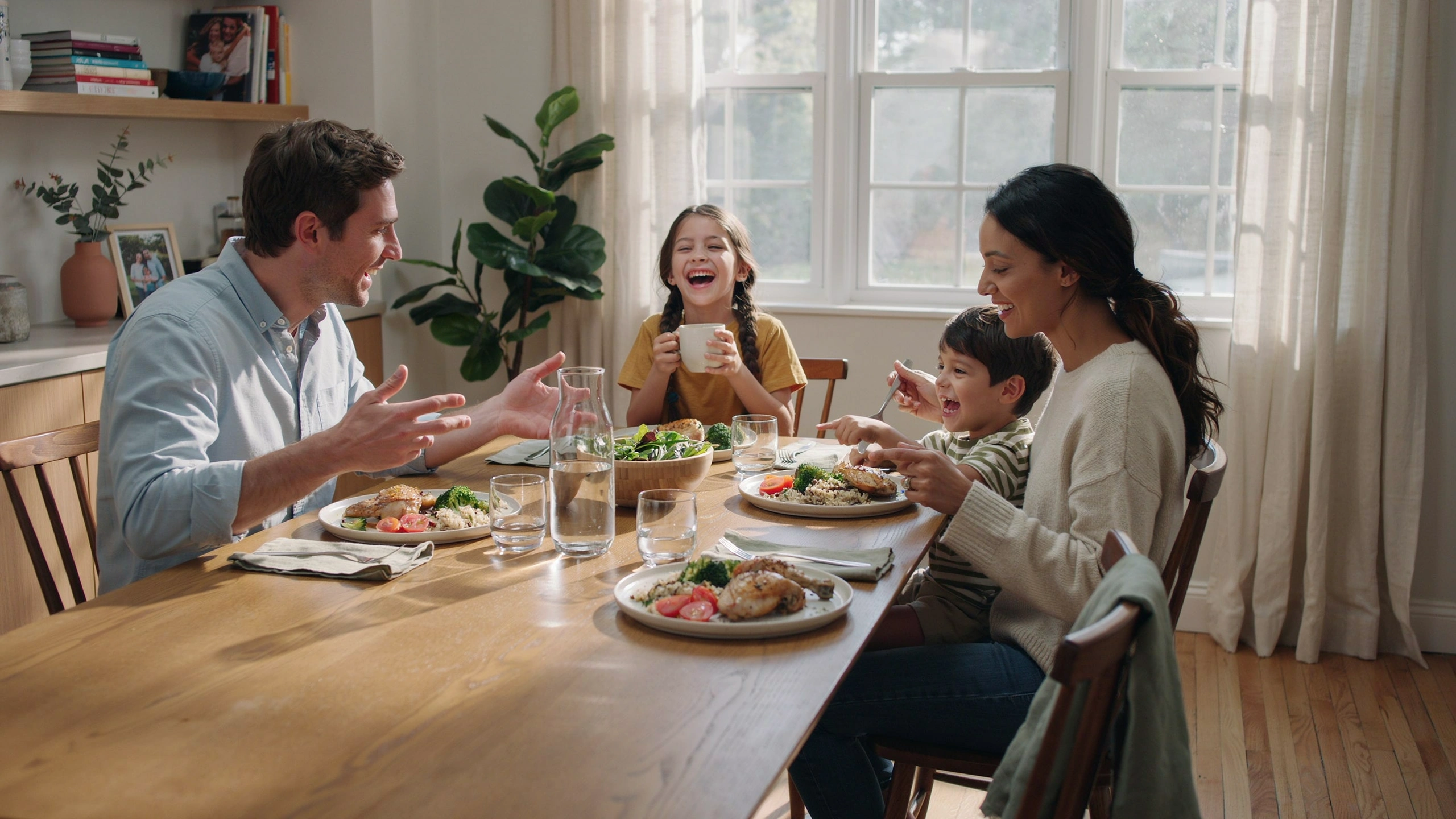
One of the most powerful learning opportunities happens every day around the dinner table, during a car ride, or while taking an evening walk. Family conversations may seem ordinary, but they play a remarkable role in helping children develop strong language and communication skills.
Every question asked, every story shared, and every discussion held at home helps children expand their vocabulary, improve their listening abilities, and gain the confidence to express their thoughts. Meaningful conversations also strengthen family relationships while preparing children for success in school and everyday life.
Why Talking Together Matters
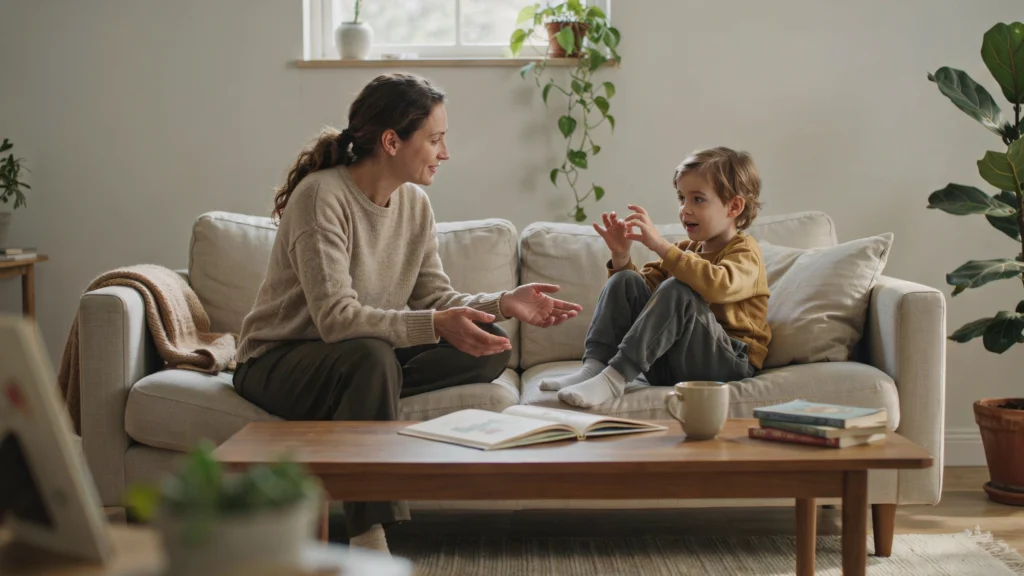
Children learn language by hearing it used in real-life situations. The more opportunities they have to participate in conversations, the more naturally they develop communication skills.
Regular family conversations help children:
- Build a richer vocabulary.
- Improve listening and comprehension.
- Express ideas clearly.
- Strengthen critical thinking.
- Develop confidence when speaking.
- Learn respectful communication.
These skills become the foundation for reading, writing, and successful social interactions.
Create Time for Daily Conversations
Busy schedules can make meaningful conversations difficult, but even a few minutes each day can have a lasting impact.
Good opportunities include:
- Breakfast before school.
- Family dinners.
- Car rides.
- Bedtime routines.
- Walks in the neighborhood.
- Weekend activities.
The goal is not the length of the conversation but the quality of the interaction.
Ask Open-Ended Questions
Questions that require more than a “yes” or “no” answer encourage children to think and communicate more effectively.
Try asking:
- What made you smile today?
- What was the most interesting thing you learned?
- If you could change one part of your day, what would it be?
- How would you solve that problem?
- What are you looking forward to tomorrow?
These questions help children organize their thoughts and explain their ideas in greater detail.
Listen Without Interrupting
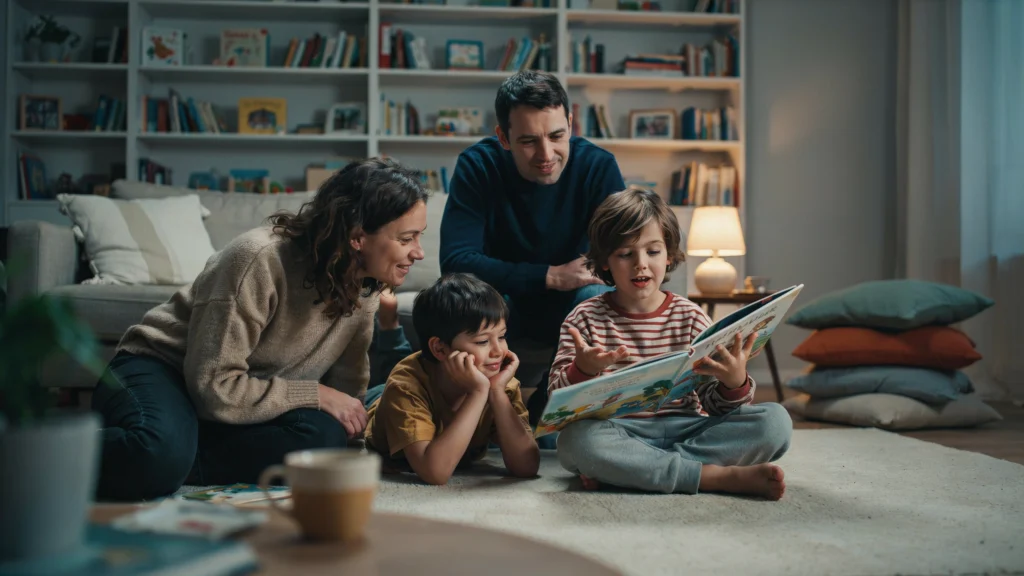
Children gain confidence when they feel that their opinions matter.
While your child is speaking:
- Maintain eye contact.
- Listen patiently.
- Avoid finishing their sentences.
- Ask follow-up questions.
- Show genuine interest.
Active listening teaches children that communication is a two-way process built on respect and understanding.
Expand Vocabulary Naturally
Everyday conversations introduce countless opportunities to learn new words.
Instead of using only simple language, occasionally introduce age-appropriate vocabulary.
For example:
Instead of saying:
“The flower is pretty.”
You might say:
“The flower is vibrant, colorful, and fragrant.”
Then explain unfamiliar words in a simple way. Children often remember new vocabulary better when it appears in meaningful conversations.
Encourage Storytelling
Children love sharing stories about their experiences.
Invite them to:
- Describe a favorite memory.
- Explain how a game works.
- Tell a story they invented.
- Retell a book they recently read.
- Describe an exciting dream.
Storytelling strengthens sequencing, memory, creativity, and expressive language.
Turn Everyday Moments into Learning Opportunities
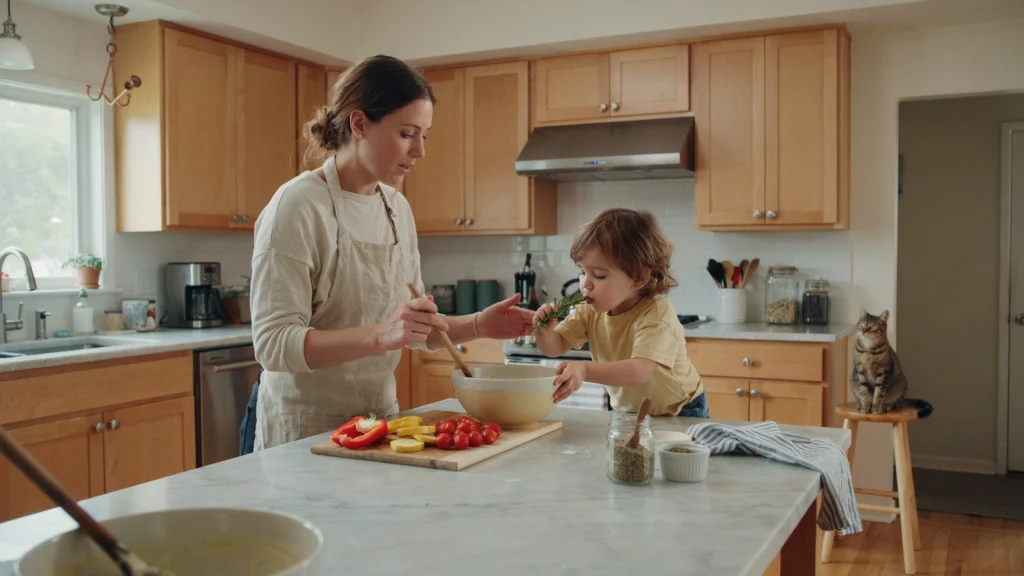
Almost every daily activity can become a conversation starter.
While cooking together, ask:
- Why do you think bread rises?
- Which ingredients smell the strongest?
- What happens when we mix these together?
During a walk, discuss:
- Birds and insects.
- Weather changes.
- Different plants.
- Sounds in nature.
Simple observations often lead to meaningful discussions and new discoveries.
Teach Respectful Communication
Children learn how to communicate by watching the adults around them.
Model behaviors such as:
- Taking turns while speaking.
- Listening carefully.
- Speaking politely.
- Respecting different opinions.
- Solving disagreements calmly.
These habits help children build healthy relationships throughout life.
Reduce Digital Distractions During Conversations
Family conversations are most meaningful when everyone is fully present.
Whenever possible:
- Put away phones.
- Turn off the television.
- Minimize background distractions.
- Focus on one another.
Undivided attention shows children that their thoughts and feelings are important.
Building Lifelong Communicators
Strong communication skills begin long before children write essays or give classroom presentations. They develop through everyday conversations filled with curiosity, encouragement, and genuine connection.
By making family conversations a daily habit, parents help children become confident speakers, thoughtful listeners, and effective communicators. These skills support academic achievement, strengthen relationships, and prepare children to express themselves clearly throughout their lives.
Sometimes, the most valuable lessons don’t come from textbooks—they begin with a simple conversation at home.