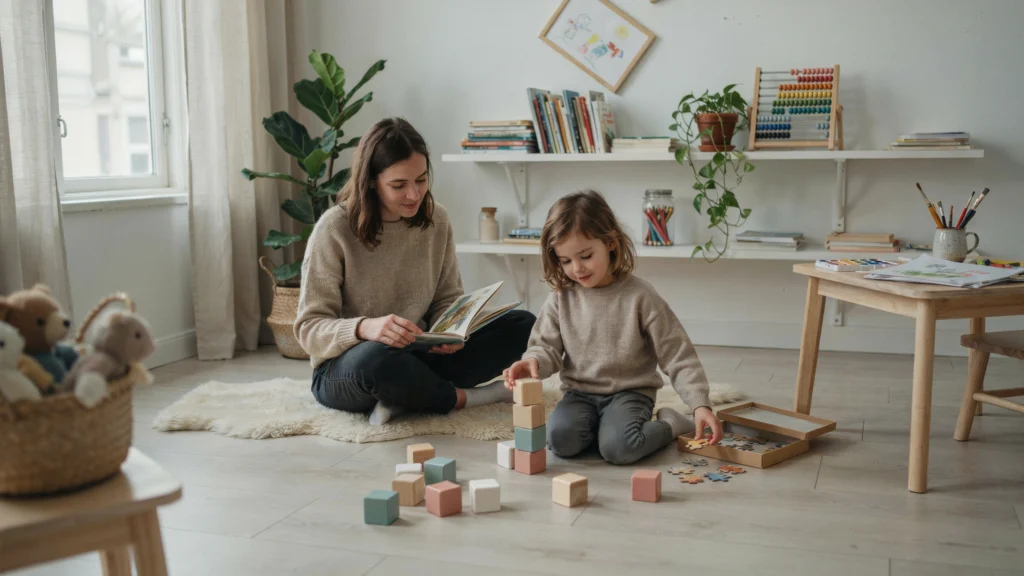
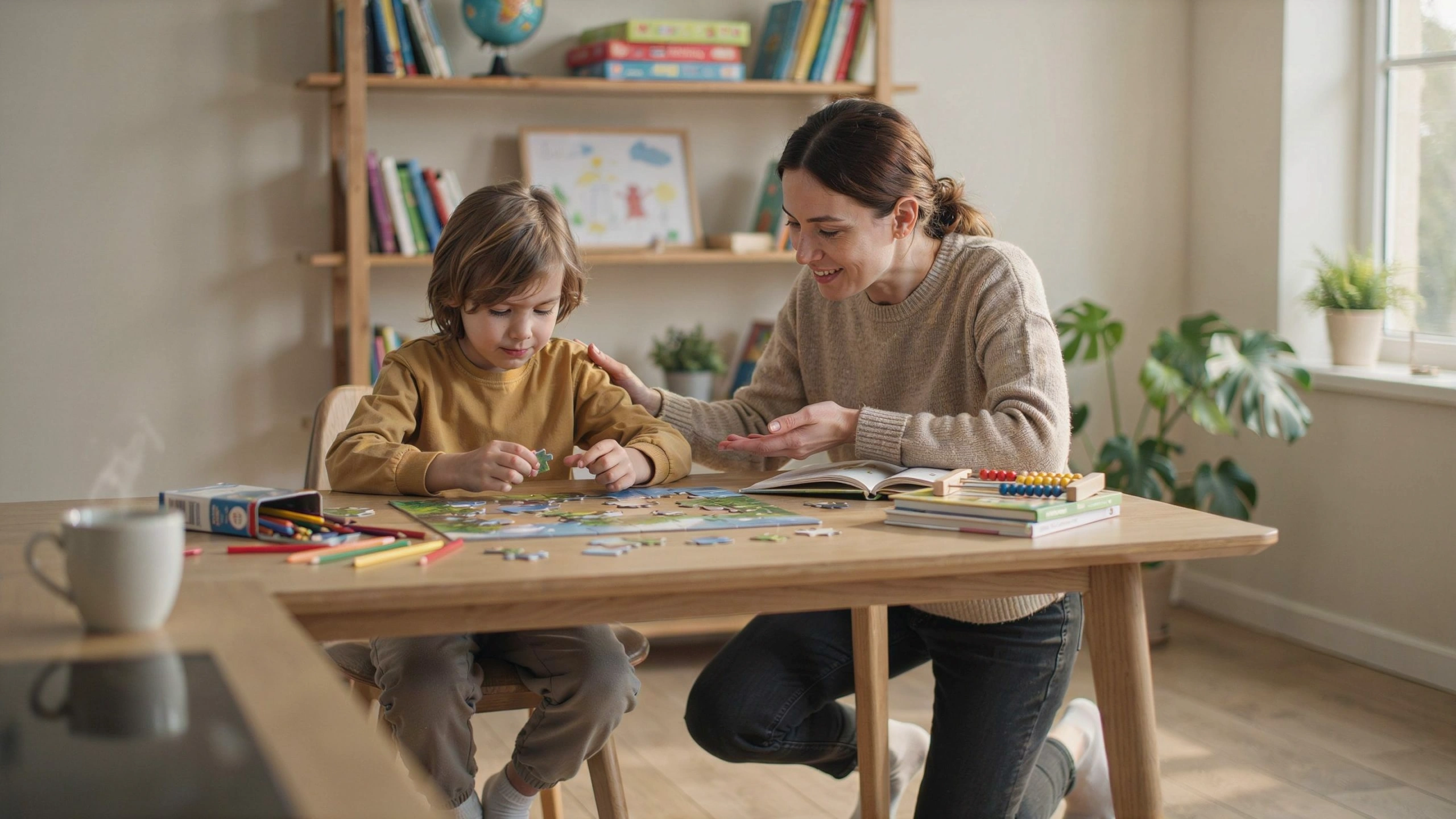
Every child faces challenges. Whether learning to ride a bike, solving a difficult math problem, or making new friends, obstacles are a natural part of growing up. The way children respond to these challenges often has a greater impact on their future success than their natural abilities.
A growth mindset—the belief that skills and intelligence can improve through effort, practice, and learning—helps children embrace challenges instead of avoiding them. By encouraging this way of thinking, parents can help their children become more resilient, confident, and motivated learners.
What Is a Growth Mindset?
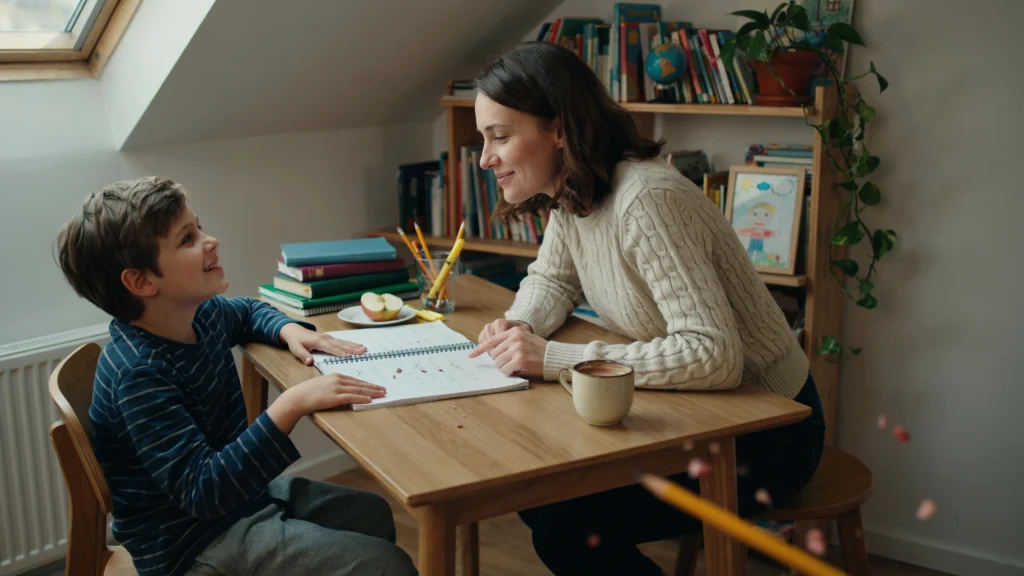
A growth mindset is the understanding that abilities are not fixed. Children who develop this mindset believe they can improve by practicing, asking for help, and learning from mistakes.
In contrast, a fixed mindset leads children to believe they are either naturally “good” or “bad” at something. This way of thinking can make them fear failure and avoid new challenges.
Helping children understand that growth comes through effort gives them the confidence to keep trying, even when something feels difficult.
Praise Effort, Not Just Results
The words parents use can shape a child’s attitude toward learning.
Instead of saying:
- “You’re so smart.”
- “You’re a natural artist.”
Try saying:
- “I love how hard you worked.”
- “You kept practicing until you improved.”
- “You didn’t give up when it became difficult.”
- “Your effort really paid off.”
This type of praise teaches children that success comes from persistence rather than talent alone.
Teach the Power of “Yet”
One simple word can change the way children think.
When a child says:
- “I can’t do this.”
Encourage them to add one more word:
- “I can’t do this… yet.”
The word yet reminds children that learning is a process and that improvement is always possible with time and practice.
Normalize Mistakes
Many children become discouraged when they make mistakes. However, mistakes are valuable opportunities to learn.
When something goes wrong, ask questions like:
- “What did you learn from this?”
- “What could you try differently next time?”
- “What part was the most challenging?”
These conversations help children see mistakes as stepping stones rather than failures.
Encourage Healthy Challenges
Children build confidence when they tackle tasks that stretch their abilities.
Encourage them to:
- Learn a new skill.
- Try a different sport.
- Solve more difficult puzzles.
- Read slightly more challenging books.
- Create a new art project.
The goal isn’t perfection—it’s progress.
Model a Growth Mindset Yourself
Children watch how adults respond to challenges.
If you make a mistake, let your child hear you say things like:
- “That didn’t work, but I’ll try another way.”
- “I’m still learning.”
- “Mistakes help me improve.”
- “Practice will make this easier.”
By modeling resilience, you teach children that learning never stops.
Help Children Set Realistic Goals
Large goals can seem overwhelming. Breaking them into smaller steps makes success feel achievable.
For example, instead of saying:
“I want to become a great piano player.”
Help your child create smaller goals such as:
- Practice for 15 minutes each day.
- Learn one new song each week.
- Master one new technique each month.
Celebrating small achievements keeps motivation high.

Focus on the Learning Process
Rather than asking only about grades or results, ask questions that encourage reflection.
For example:
- “What was the most interesting thing you learned today?”
- “What challenged you?”
- “How did you solve that problem?”
- “What are you proud of today?”
These conversations reinforce the value of learning itself.
Build Confidence Through Persistence
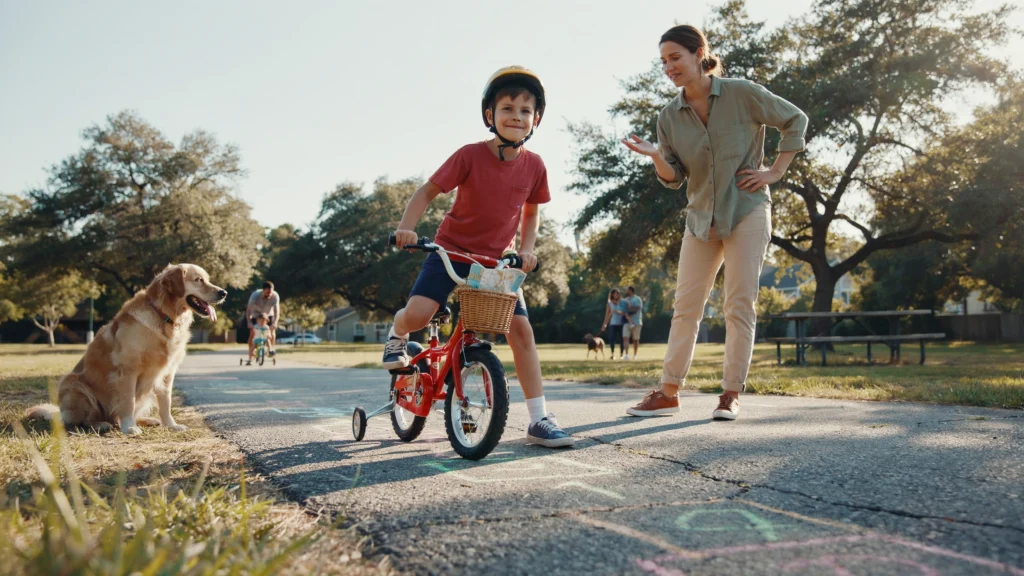
When children encounter setbacks, remind them of challenges they have already overcome.
You might say:
- “Remember when riding your bike seemed impossible?”
- “Think about how much your reading has improved.”
- “You kept practicing, and now you can do it.”
Looking back at previous successes helps children believe they can overcome future obstacles.
Create a Positive Learning Environment
A home that supports a growth mindset encourages curiosity, effort, and exploration.
Parents can:
- Celebrate improvement.
- Encourage questions.
- Avoid comparing children to others.
- Recognize perseverance.
- Allow time for practice.
- Support independence.
When children feel safe to learn without fear of failure, they become more willing to take on new challenges.
Growing Stronger Every Day
Success isn’t determined by how quickly children learn—it’s shaped by their willingness to keep learning. Every challenge they face is an opportunity to grow stronger, wiser, and more confident.
By helping children develop a growth mindset, parents give them a powerful tool that will benefit them throughout school, work, relationships, and life. They learn that effort leads to progress, mistakes lead to learning, and every new challenge is another chance to grow.
The most successful learners aren’t the ones who never fail—they’re the ones who never stop trying.