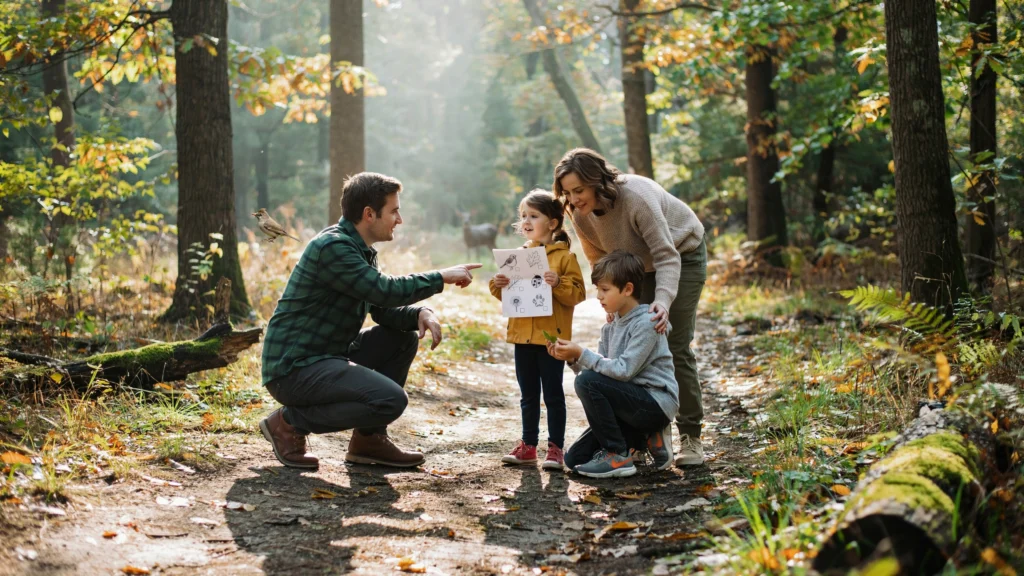
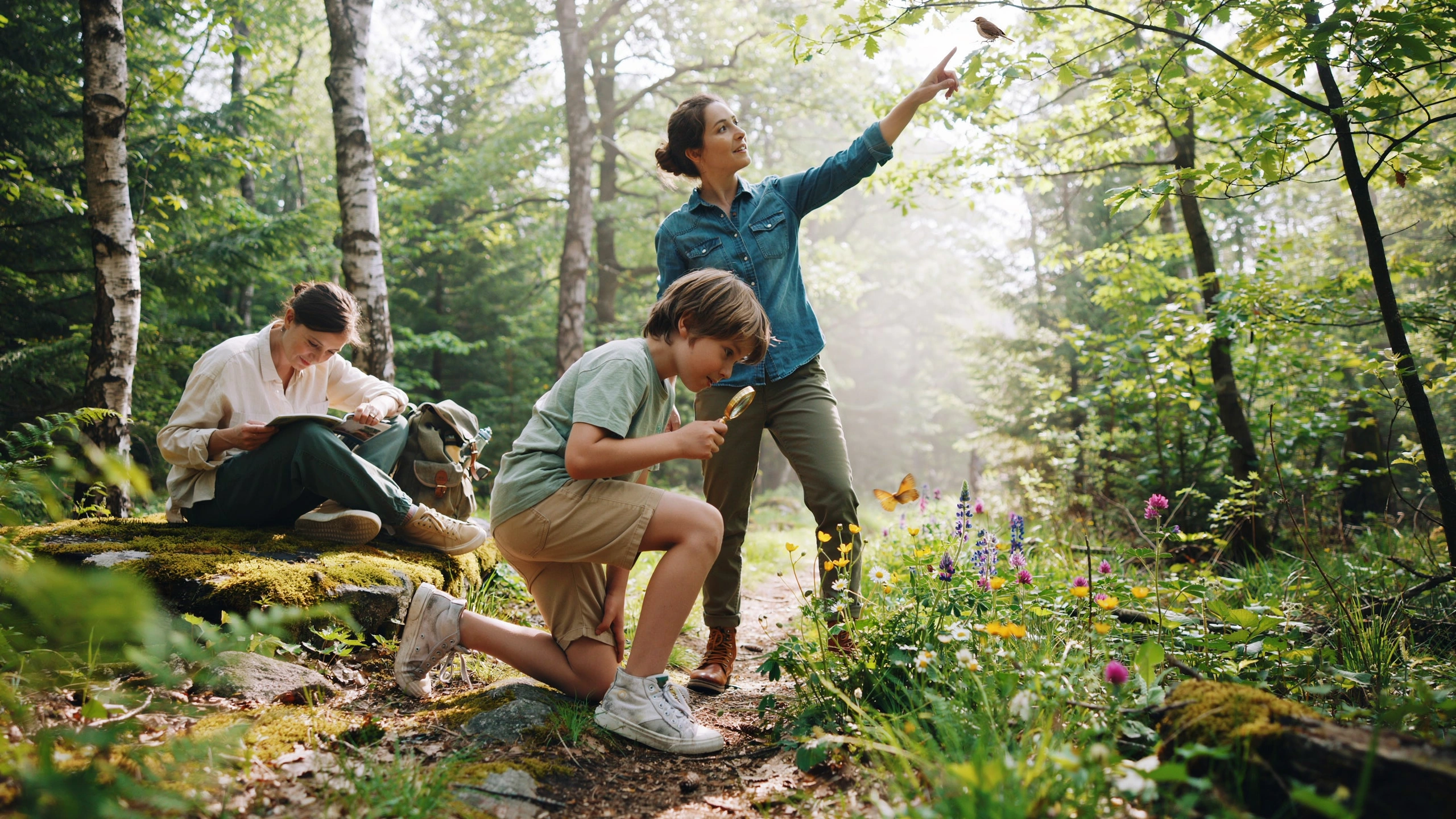
Learning doesn’t have to happen inside four walls. Some of the most meaningful lessons take place outdoors, where children can explore, observe, and interact with the natural world. Whether it’s a walk through a local park, a visit to the beach, or simply playing in the backyard, outdoor experiences provide endless opportunities for growth and discovery.
Nature encourages children to use all of their senses, ask questions, solve problems, and develop a deeper appreciation for the world around them. Best of all, outdoor learning combines education, physical activity, and fun.
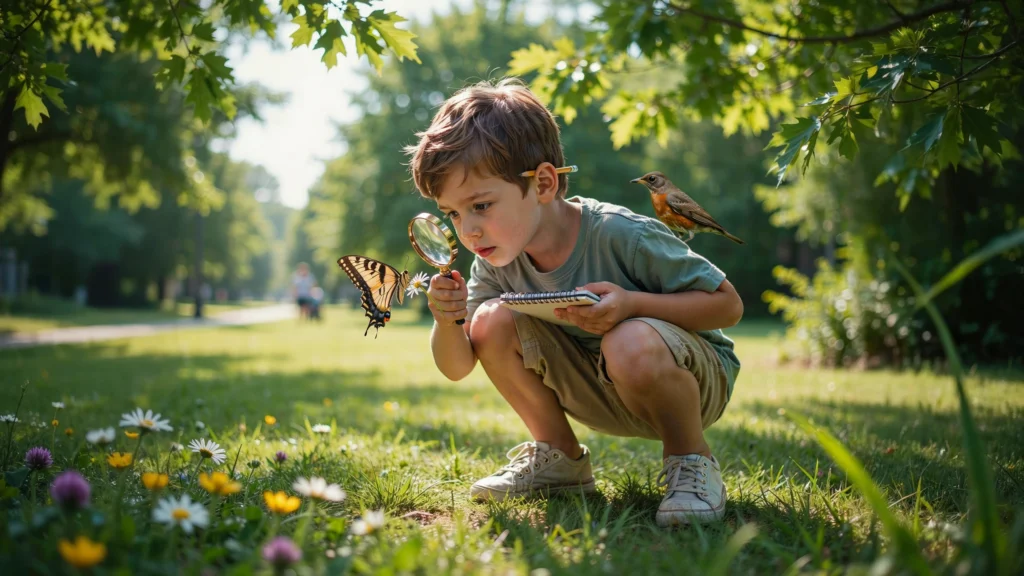
The Benefits of Learning Outside
Outdoor exploration supports every area of a child’s development. It stimulates curiosity while strengthening both the mind and body.
Children who spend time exploring nature often:
- Improve their observation skills.
- Develop stronger problem-solving abilities.
- Increase physical fitness and coordination.
- Build confidence through independent exploration.
- Experience lower levels of stress and anxiety.
- Strengthen their creativity and imagination.
Every outdoor adventure becomes an opportunity to learn something new.
Nature Sparks Curiosity
The natural world is full of questions waiting to be answered.
Children may wonder:
- Why do leaves change color?
- How do birds build their nests?
- Why do ants work together?
- What makes clouds move?
- How do flowers attract butterflies?
Instead of giving immediate answers, encourage children to observe, investigate, and form their own ideas before exploring the explanations together.
Turn Walks into Learning Adventures
Even a short neighborhood walk can become an educational experience.
Invite your child to:
- Count different types of trees.
- Identify birds or insects.
- Compare leaf shapes and colors.
- Listen for different sounds.
- Observe changing weather conditions.
These simple activities strengthen attention to detail while making learning enjoyable.
Develop Science Skills Naturally
Nature is the perfect science laboratory.
Children can explore concepts such as:
- Plant growth.
- Animal habitats.
- Life cycles.
- Weather patterns.
- Rocks and soil.
- Water movement.
Collecting leaves, observing insects, or watching clouds drift across the sky introduces scientific thinking through direct experience.
Encourage Creativity Outdoors
Nature inspires imagination in countless ways.
Children can:
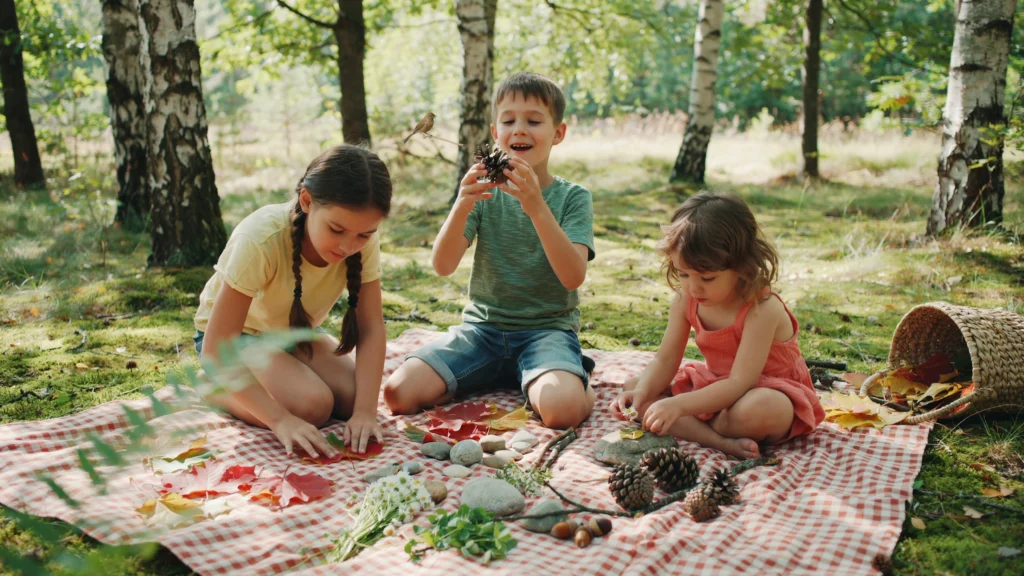
- Build fairy houses from sticks and leaves.
- Create nature art using flowers and stones.
- Invent stories about animals they observe.
- Draw landscapes.
- Design obstacle courses using natural materials.
Outdoor creativity has no right or wrong answers, allowing children to freely express their ideas.
Physical Activity Supports Learning
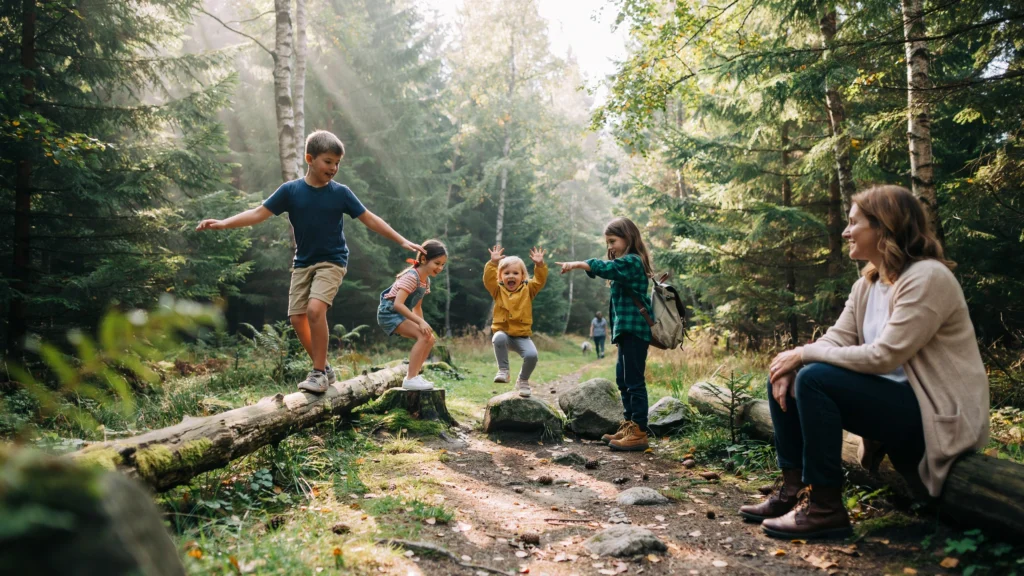
Running, climbing, balancing, jumping, and exploring strengthen both physical and cognitive development.
Active play outdoors helps children:
- Improve balance and coordination.
- Build stronger muscles and bones.
- Increase endurance.
- Develop spatial awareness.
- Boost concentration when they return to indoor learning.
Healthy bodies support healthy minds.
Teach Respect for Nature
Outdoor experiences also help children become responsible caretakers of the environment.
Parents can encourage habits such as:
- Picking up litter.
- Respecting wildlife.
- Protecting plants.
- Conserving water.
- Recycling materials.
- Leaving natural spaces as they found them.
These lessons foster environmental responsibility from an early age.
Create Outdoor Challenges
Simple challenges make exploration even more exciting.
Try activities like:
- A nature scavenger hunt.
- Finding five different leaf shapes.
- Spotting as many bird species as possible.
- Building the tallest tower using sticks.
- Identifying animal tracks.
These games encourage observation, teamwork, and critical thinking.
Outdoor Learning in Every Season
Every season offers unique learning opportunities.
In spring, children can observe flowers blooming and insects returning.
Summer brings opportunities to study ponds, beaches, and gardens.
Autumn is perfect for collecting colorful leaves and learning about changing seasons.
Winter allows children to observe frost, ice, animal footprints, and changing weather patterns.
Nature is always teaching, no matter the time of year.
Making Outdoor Exploration a Family Habit
You don’t need elaborate trips or expensive equipment to enjoy outdoor learning.
Start by:
- Taking regular family walks.
- Visiting local parks.
- Gardening together.
- Watching the sunset.
- Exploring nearby forests or nature trails.
- Spending time observing birds and insects.
Even twenty minutes outside each day can inspire meaningful conversations and memorable learning experiences.
The World Is a Classroom
The greatest classroom has no walls, no desks, and no textbooks. It is filled with trees, rivers, birds, clouds, and endless opportunities for discovery.
By encouraging outdoor exploration, parents help children become curious observers, creative thinkers, and responsible caretakers of the natural world. These experiences nurture not only academic skills but also confidence, resilience, and a lifelong appreciation for learning.
Sometimes, the most valuable lessons begin with a single step outside the front door.