Children experience a wide range of emotions, from joy and excitement to frustration and sadness. However, navigating these “big emotions” can be challenging for them. Emotional regulation is a skill that takes time to develop, and parents play a critical role in guiding their children through this process. Here’s a practical guide to help your child manage their emotions effectively and build emotional resilience.

1. Understand Emotional Development
Emotional regulation is not innate; it’s a learned skill. Younger children often lack the tools to express their feelings appropriately. As their brains develop, they gain better control over their impulses and reactions. Understanding this developmental timeline can help you respond with patience and empathy.
2. Be an Emotion Coach
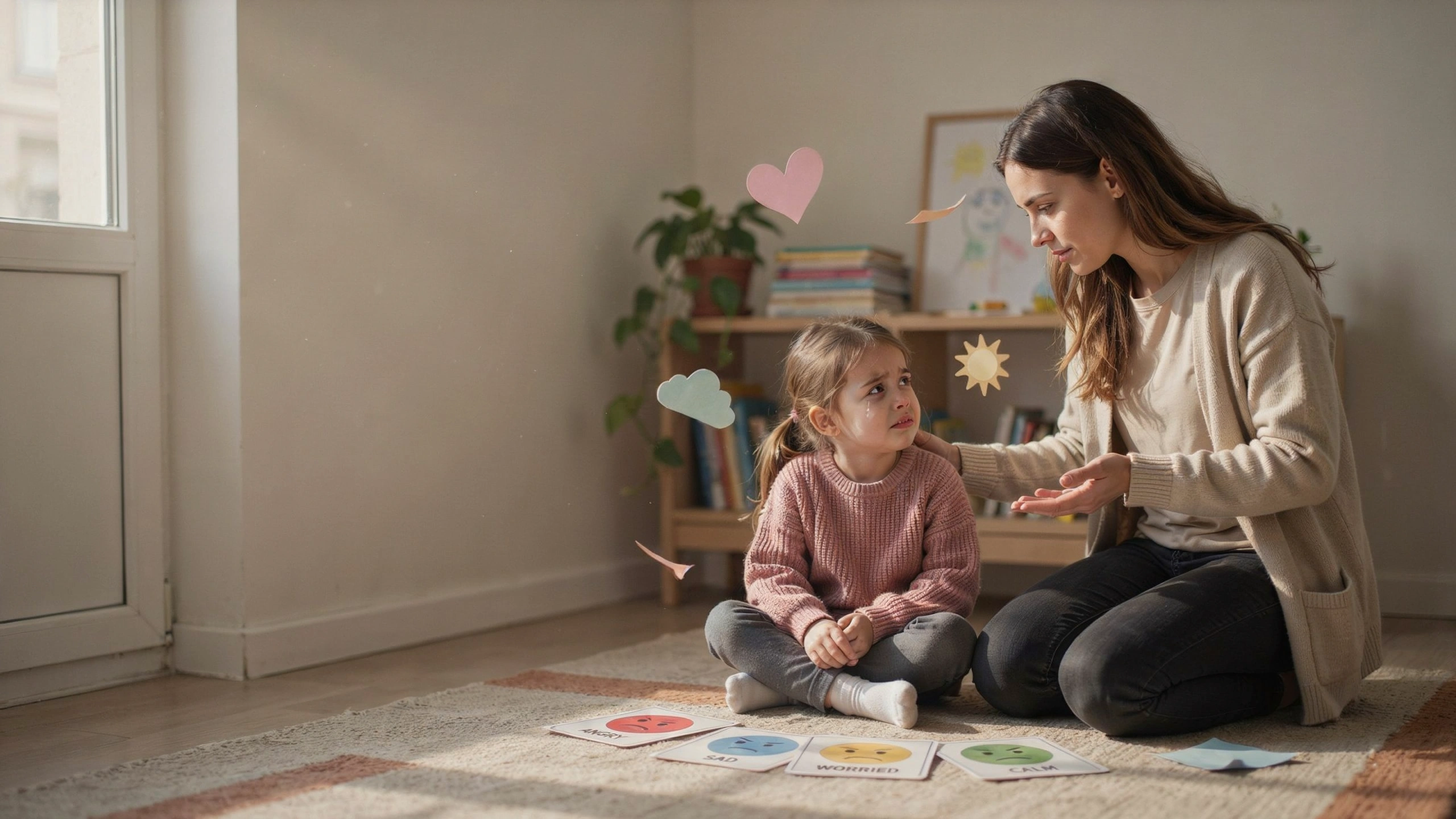
Instead of dismissing or punishing emotional outbursts, view them as opportunities to teach. Help your child identify and understand their emotions by labeling them. For example, you can say:
- “I see that you’re feeling frustrated because your tower fell over.”
- “You seem really excited about your new toy!”
Naming emotions helps children make sense of their feelings and reduces their intensity.
3. Model Healthy Emotional Regulation
Children learn by observing their parents. Demonstrate how you handle your own emotions in challenging situations. For example, if you’re feeling stressed, you might say, “I’m feeling overwhelmed right now, so I’m going to take a few deep breaths.” This teaches your child that emotions are normal and manageable.
4. Create a Safe Space for Expression
Encourage your child to express their emotions without fear of judgment. Let them know that all feelings, even the difficult ones, are valid. Statements like, “It’s okay to feel angry, but it’s not okay to hit,” help children understand the difference between emotions and actions.

5. Teach Calming Techniques
Equip your child with tools to calm themselves when emotions run high. Some effective techniques include:
- Deep Breathing: Teach them to inhale deeply for a count of four, hold for four, and exhale for four.
- Mindfulness Exercises: Simple activities like focusing on their senses or using guided meditations can help them stay grounded.
- Physical Outlets: Encourage physical activities like jumping, running, or squeezing a stress ball to release pent-up energy.
6. Establish a Routine
A predictable daily routine provides a sense of security, which helps children manage their emotions. Regular sleep, meals, and playtime reduce stress and improve emotional stability.
7. Help Them Identify Triggers
Pay attention to patterns in your child’s behavior to identify triggers for emotional outbursts. Once you understand what sets them off, you can work together to address the underlying issues or prepare for challenging situations.
8. Practice Problem-Solving Skills
Teach your child how to approach problems calmly and constructively. For example:
- Identify the problem: “What made you upset?”
- Brainstorm solutions: “What can we do to fix this or make it better?”
- Evaluate options: “Which idea do you think will work best?”
This process empowers your child to handle difficult situations independently over time.
9. Use Stories and Role-Playing
Books and stories about emotions can help children understand their feelings in a relatable way. Role-playing scenarios, like pretending to calm a “frustrated teddy bear,” can also make emotional regulation more tangible and fun.

10. Encourage Positive Outlets
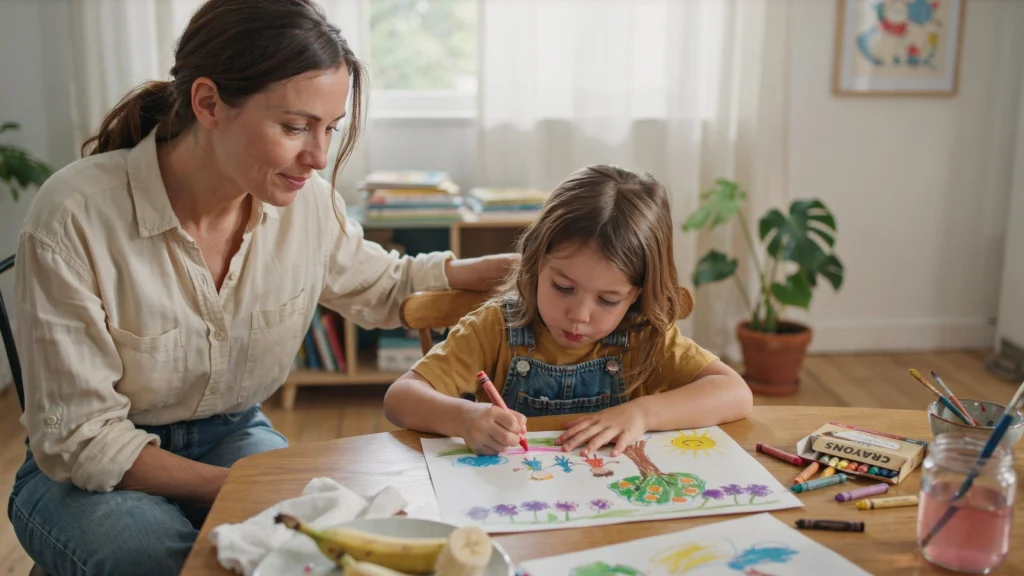
Creative activities such as drawing, writing, or playing music can provide children with healthy outlets for expressing their emotions. Encourage them to channel their feelings into something productive and enjoyable.
11. Stay Calm During Emotional Outbursts
When your child is experiencing big emotions, staying calm yourself is essential. Responding with anger or frustration can escalate the situation. Instead, remain composed and reassure them:
- “I can see you’re really upset. I’m here to help you.”
12. Reinforce and Praise Progress
Celebrate small victories as your child learns to manage their emotions. Positive reinforcement, such as saying, “I’m proud of how you calmed yourself down,” builds confidence and motivates them to keep improving.
13. Seek Professional Support if Needed
If your child consistently struggles with extreme emotions or if their outbursts impact their daily life, consider seeking help from a counselor or therapist. Professional guidance can provide valuable tools for emotional regulation.
Conclusion
Helping kids navigate big emotions is a journey that requires patience, empathy, and consistent effort. By providing them with a supportive environment, teaching practical strategies, and modeling healthy emotional habits, you can guide your child toward becoming emotionally resilient. Remember, every step forward—no matter how small—is a victory worth celebrating.