
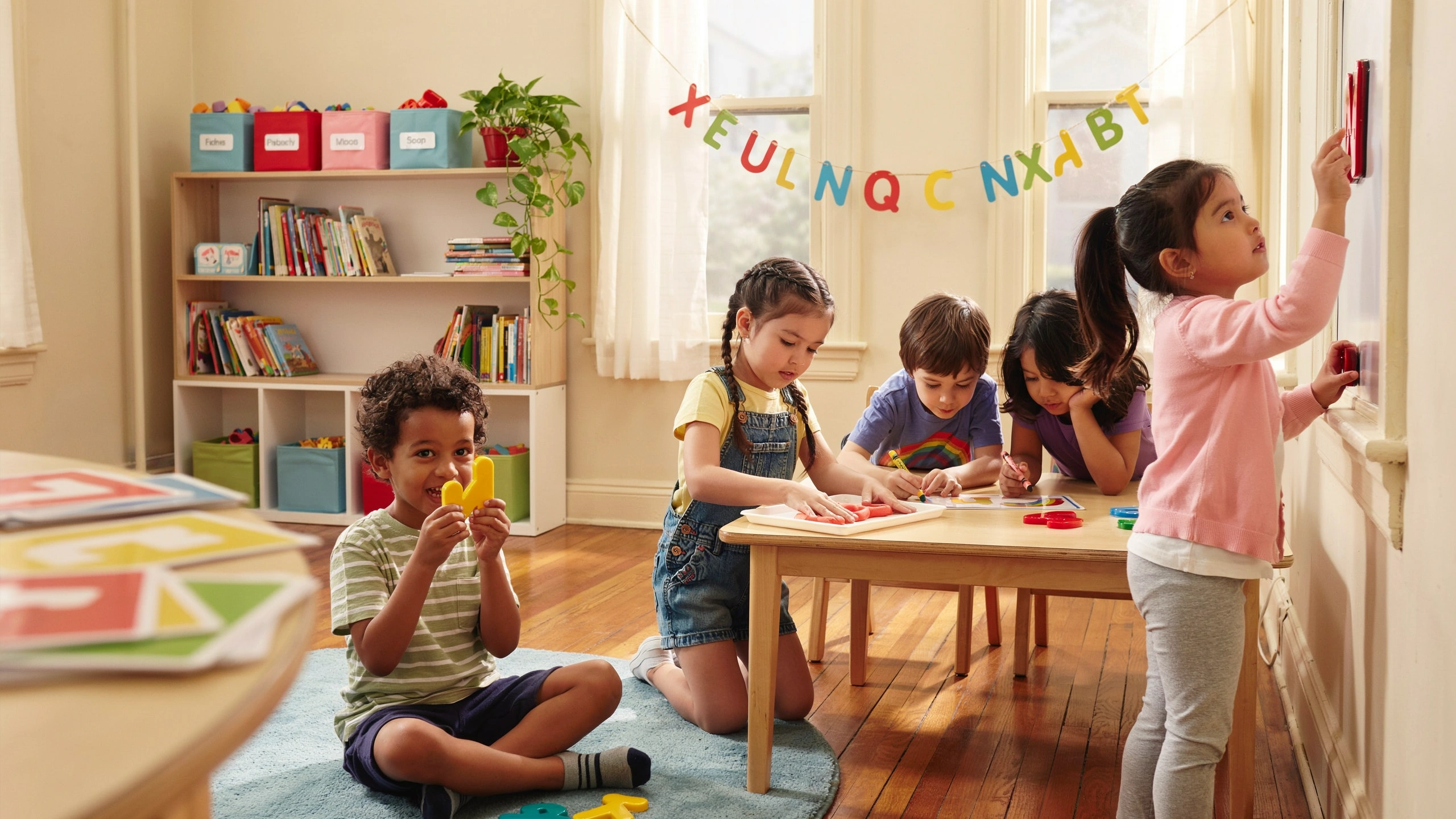
Letter recognition is one of the most important early literacy skills children develop before learning to read and write. When preschoolers can identify letters quickly and confidently, they are better prepared to understand letter sounds, recognize simple words, and begin reading independently. The best way to teach letter recognition is through playful, hands-on activities that make learning enjoyable.
Here are ten creative activities that help preschoolers explore the alphabet while building confidence, curiosity, and essential learning skills.
Why Letter Recognition Is Important
Recognizing letters is the foundation of reading. Children who become familiar with the alphabet early often find it easier to learn phonics, spelling, and writing later.
Letter recognition activities help children:
- Identify uppercase and lowercase letters.
- Strengthen visual memory.
- Improve concentration and attention.
- Develop fine motor skills.
- Build confidence in early reading.
- Prepare for handwriting and spelling.
Regular practice through games and exploration encourages children to learn naturally without feeling pressured.
1. Alphabet Sensory Bin
Fill a plastic container with materials such as colored rice, dried beans, sand, or shredded paper. Hide foam or plastic alphabet letters inside and let children search for them.
As each letter is found, encourage children to:
- Say the letter name.
- Repeat its sound.
- Name a word that begins with that letter.
This activity combines sensory play with literacy practice.
2. Rainbow Letter Tracing
Write large letters on paper using thick black markers. Children trace each letter several times using different colored crayons or markers.
Rainbow tracing helps children:
- Recognize letter shapes.
- Practice pencil control.
- Improve hand-eye coordination.
- Build muscle memory for writing.
The colorful results make the activity even more enjoyable.
3. Alphabet Hop Game
Place letter cards on the floor in a large circle or line.
Call out a letter and invite children to hop onto the correct card.
For extra challenges:
- Call out letter sounds instead of names.
- Ask children to hop to the first letter of a familiar word.
- Time the activity for older preschoolers.
Movement helps reinforce learning while keeping children active.
4. Playdough Letter Building
Provide children with soft playdough and alphabet cards.
Challenge them to roll the dough into long strips and shape each letter.
This hands-on activity develops:
- Fine motor strength.
- Finger coordination.
- Letter formation skills.
- Creativity.
Children often remember letters better after building them.
5. Letter Matching with Picture Cards
Create picture cards representing simple objects such as:
- Apple
- Ball
- Cat
- Dog
- Fish
- Sun
Children match each picture to its beginning letter.
This activity strengthens the connection between letters, sounds, and vocabulary.
6. Alphabet Sticker Hunt
Write large letters on paper around the room.
Give children sheets of alphabet stickers and ask them to place each sticker on the matching letter.
Sticker activities improve:
- Letter recognition.
- Fine motor control.
- Visual scanning.
- Attention to detail.
Children enjoy the challenge while practicing important skills.
7. Build Letters with Craft Sticks
Offer popsicle sticks, straws, or craft sticks and ask children to build uppercase letters.
This activity works especially well for letters with straight lines, such as:
- A
- E
- F
- H
- K
- M
- N
- T
For curved letters, children can use pipe cleaners or modeling clay.
8. Alphabet Fishing Game
Create paper fish labeled with letters and attach paper clips to each one.
Using a toy fishing rod with a magnet, children catch a fish and identify the letter before keeping it.
You can extend the game by asking:
- What sound does this letter make?
- Can you think of a word that starts with it?
- Is it uppercase or lowercase?
This playful activity is perfect for classrooms and home learning.
9. Letter Art Collage
Choose one letter each week.
Children decorate a large cutout of that letter using:
- Colored paper
- Buttons
- Cotton balls
- Leaves
- Tissue paper
- Stickers
While decorating, discuss words that begin with the featured letter.
Art projects make alphabet learning memorable and creative.
10. Nature Alphabet Walk
Take children outside for a walk in the garden, park, or neighborhood.
Give them an alphabet checklist and encourage them to find objects that begin with different letters.
Examples include:
- B — Bird
- F — Flower
- G — Grass
- L — Leaf
- R — Rock
- T — Tree
This activity helps children connect language with the world around them.
Tips for Teaching Letter Recognition
Introduce only a few letters at a time instead of the entire alphabet.
Review previously learned letters often to strengthen long-term memory.
Keep learning sessions short, fun, and interactive.
Use praise and encouragement to build confidence.
Include letters in everyday routines by pointing them out in books, signs, packaging, and labels.
Remember that children learn best through repetition and meaningful experiences.
Common Mistakes to Avoid
Avoid expecting children to memorize the entire alphabet quickly.
Do not rely only on worksheets. Young learners benefit far more from hands-on activities.
Avoid correcting every small mistake immediately. Gentle guidance encourages children to keep trying.
Focus on making learning enjoyable rather than perfect.
Conclusion
Creative letter recognition activities give preschoolers a strong foundation for future reading and writing success. Whether children are tracing rainbow letters, searching through sensory bins, building letters with playdough, or exploring nature, each activity helps reinforce alphabet knowledge in an engaging and memorable way.
By providing playful learning opportunities every day, parents and educators can help children develop confidence, curiosity, and a lifelong love of literacy. Small moments of exploration today can lead to big reading achievements tomorrow.